
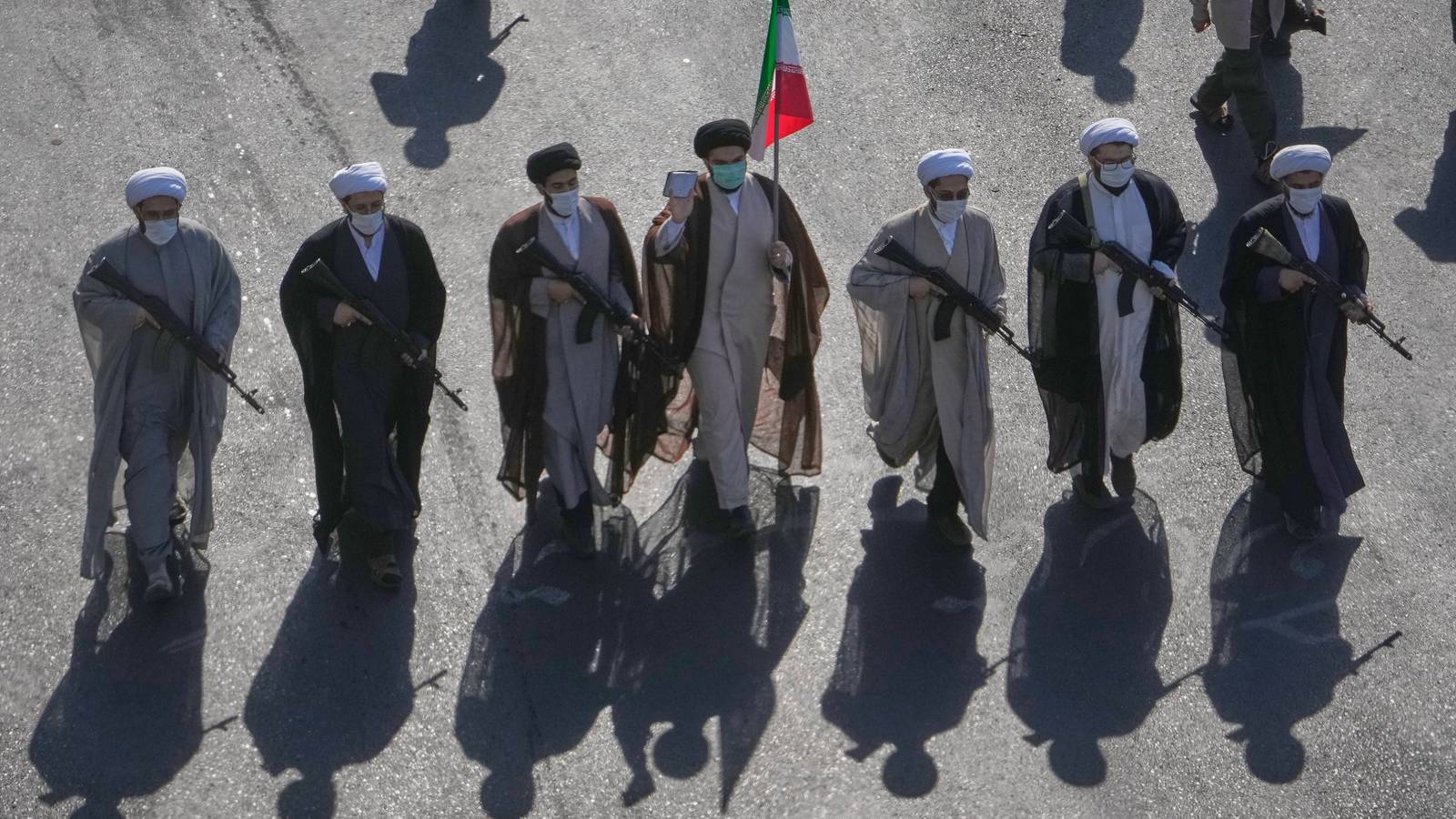
Iran has declared that it has significantly bolstered its military defenses in anticipation of a possible resurgence of U.S. airstrikes. This development reflects the escalating tensions between Tehran and Washington, as Iran prepares for a scenario of full-scale conflict. The situation has escalated with recent statements from Iranian military officials indicating a strong resolve to enhance their defensive capabilities.
Strengthened Military Capability
Army spokesman Mohammad Akraminia emphasized that Iran now possesses a far superior level of defensive capacity compared to both the Gulf War era and earlier. According to reports from the semi-official Iranian Students’ News Agency, Akraminia stated that a considerable portion of their military equipment that was damaged during the war has been repaired, alongside the integration of new technologies aimed at bolstering their air defense systems. The bolstered defenses come at a time when fears grow regarding potential conflict, especially following comments from U.S. President Donald Trump concerning military action against Iran post-midterm elections.
Rising Tensions with the U.S. and Allies
The military buildup in Iran coincides with a growing perception among Iranian authorities that the U.S. will renew airstrikes, which were previously halted amid negotiations over critical issues like the Strait of Hormuz and Iran’s nuclear ambitions. Notably, Iran’s Islamic Revolutionary Guard Corps (IRGC) has engaged in joint military exercises, further indicating the nation’s preparedness for any aggressive actions. The U.S.-Israeli military actions have already provoked significant countermeasures from Iran in the past, creating an energy crisis in the Persian Gulf as a result of retaliatory strikes against vital infrastructure in Gulf Arab nations allied with the U.S.
Threats Against U.S. Naval Forces
In tandem with reinforcing its homeland defenses, Iran has issued threats directed at U.S. naval vessels enforcing a blockade near its southern ports. The Iranian military has reported that U.S. warships have strategically moved beyond 500 kilometers from Iran’s coast. Akraminia made it clear that, under current operational strategies, these vessels may be compelled to retreat even further in the near future. Iran’s military oversight of the Persian Gulf is divided between the IRGC, which manages operations in the western section of the Strait of Hormuz, and the regular navy, responsible for overseeing the eastern waters, extending towards the northern Indian Ocean.
Implications of U.S. Military Presence
The ongoing military focus of the U.S. in the region is marked by the deployment of additional resources, including a third aircraft carrier accompanied by 10,000 sailors and Marines to the Persian Gulf. This military presence could pose new uncertainties for Washington, especially as the Pentagon has reported losses of numerous aircraft, including drones, during past conflict engagements. Officials in Tehran have indicated their preparedness for multiple scenarios should military hostilities escalate again, balancing this readiness against attempts to revive diplomatic discussions.
Trump’s prior statements suggested a temporary pause in potential military actions until after the U.S. elections. However, his recent comments about possible future operations, particularly involving significant weapons like the “Mother of all Bombs,” indicate that the threat of military escalation remains relevant. If Trump aims to establish a sense of accomplishment, targeting Iran’s nuclear facilities could be a strategic move. Nonetheless, Iranian officials assert their readiness for any contingencies, highlighting the increasing complexities of the situation as military strategies and diplomatic efforts both unfold.
As the geopolitical landscape continues to evolve, both Iran and the U.S. appear locked in a precarious balance of power, with each side evaluating its military strategies against the backdrop of ongoing negotiations and international scrutiny.