
US President Donald Trump recently communicated that he believes Saudi Arabia would likely welcome assistance from Israel in addressing the challenges posed by Yemen’s Houthi movement. Speaking to reporters on Friday, Trump affirmed that Saudi Arabia would accept the aid and acknowledged Israel’s previous support for the kingdom. He also noted that Saudi Arabia holds a favorable view of collaborations with both Israel and the United States.
Advancing the Abraham Accords
Trump expressed optimism that the Abraham Accords could gain momentum with the inclusion of Saudi Arabia. He referred to these agreements as one of the significant successes of his administration. The prospects of Saudi Arabia joining the Abraham Accords are central to Trump’s strategy in the Middle East. Although Saudi Arabia currently does not have diplomatic ties with Israel, Trump has indicated that the kingdom’s participation in the accords could pave the way for further cooperation, including a potential U.S.-Saudi deal on civilian nuclear energy.
Such a deal would hinge on the normalization of relations between Riyadh and Jerusalem. Trump’s approach underscores his belief that peace agreements in the region can be achieved through diplomatic engagement and collaboration among key players.
Heightened Houthi Threats to Saudi Arabia
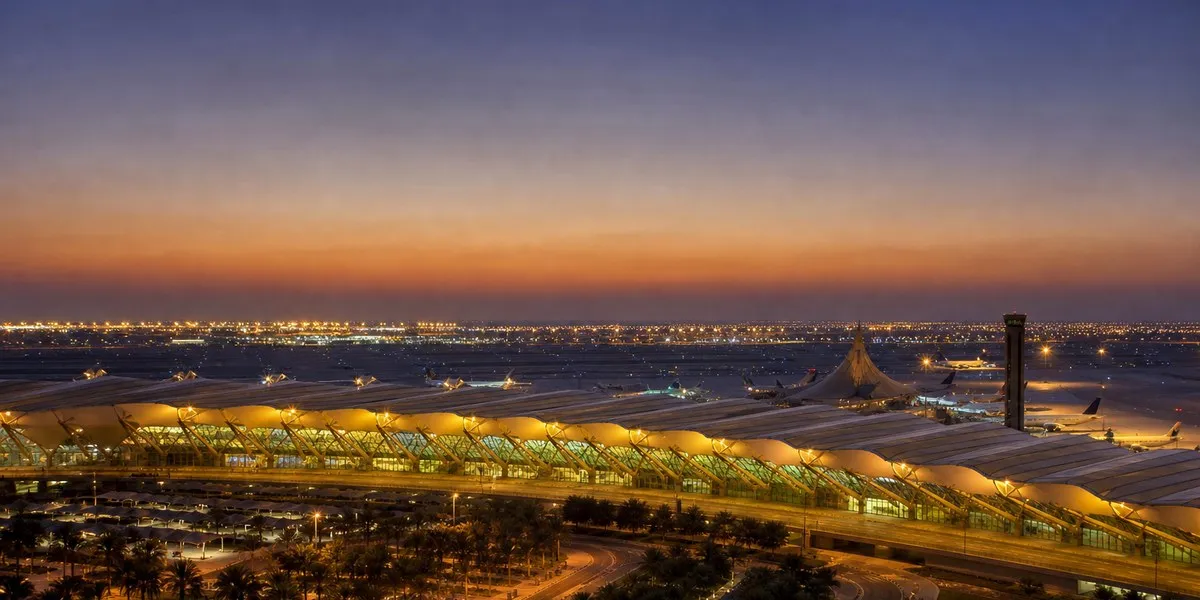
The timing of Trump’s remarks comes amidst a concerning escalation in Houthi assaults on Saudi territory. Reports indicate that the Houthis launched an attack on the presidential palace complex on Thursday, resulting in five fatalities. Additionally, a separate strike on King Khalid International Airport in Riyadh claimed the lives of 17 individuals and caused injuries to over 300 others. These incidents highlight the increasing volatility in the region and reinforce the necessity for effective security partnerships.
Given this backdrop, Trump’s suggestion for collaboration between Saudi Arabia and Israel takes on added significance. Improved defense arrangements and intelligence sharing could be crucial in countering the persistent threats from Houthi forces and other regional actors.
As discussions about a possible Saudi-Israeli partnership continue, the international community will closely watch the developments. The outcome could reshape the geopolitical landscape in the Middle East, fostering new alliances and potentially reducing regional tensions.
In conclusion, with Trump’s enthusiastic endorsement of Israeli support for Saudi Arabia, the stage may be set for a shift in diplomatic relations. While challenges remain, the potential for a more cooperative environment in the region could deter aggression and promote stability.