
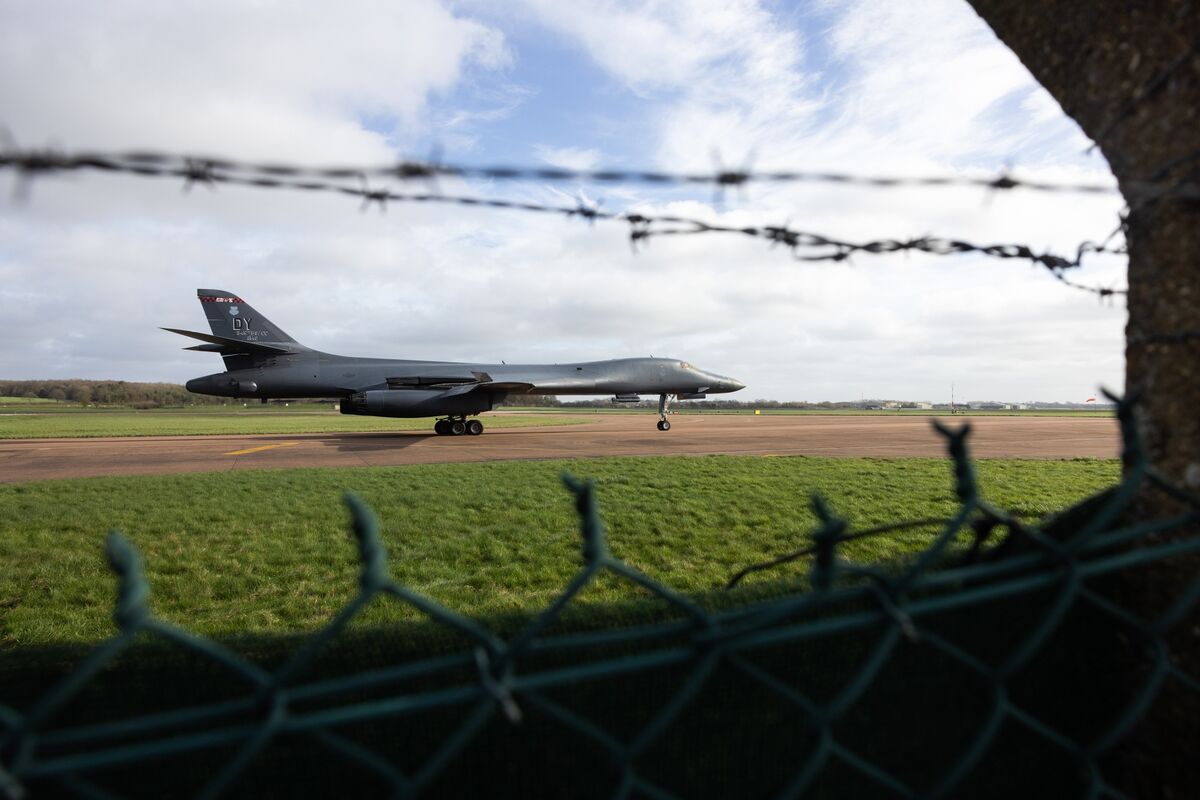
The Royal International Air Tattoo, known as the UK’s largest military air show, has been unexpectedly canceled this summer due to the presence of US military aircraft conducting operations related to the ongoing conflicts in Iran. This decision has triggered discussions about the event’s significance and the reasons behind its cancellation.
The Importance of the Royal International Air Tattoo
The Royal International Air Tattoo (RIAT) attracts aviation enthusiasts and military supporters from around the world. This annual event not only showcases a diverse array of military aircraft but also emphasizes international cooperation and defense capabilities. Attendees typically look forward to thrilling aerial displays, unique static aircraft exhibits, and opportunities to interact with military personnel. The cancellation of such a prominent event raises concerns about how geopolitical factors can disrupt cultural gatherings and public celebrations.
Impact of Geopolitical Tensions
The continuing conflict in Iran serves as a backdrop for the cancellation of this year’s air show. US aircraft involved in missions related to these tensions have necessitated the use of RAF Fairford, the traditional venue for the RIAT. Such military operations highlight the interconnectedness of global military activities and their unintended consequences on civilian events. The situation serves as a reminder of how international relations can directly influence domestic events in unforeseen ways.
Future of the Royal International Air Tattoo
As the world continues to navigate complex geopolitical landscapes, the future of the Royal International Air Tattoo remains uncertain. Organizers may need to adjust their planning and scheduling in light of ongoing military requirements. The hope is that next year’s event can return to its former glory, bringing together enthusiasts and veterans alike. Nonetheless, the recent cancellation underscores the importance of adaptability in an ever-changing world and emphasizes the need for resilient planning in event management.
Community Reactions and Next Steps
The response from the aviation community has been mixed and marked by disappointment. Many supporters express understanding of the military’s operational priorities but lament the loss of an event that brings people together in celebration of aviation and air power. As discussions unfold regarding future events, it will be essential for planners to consider alternative options to sustain community engagement and support for the air show.
In conclusion, while the cancellation of the Royal International Air Tattoo highlights the consequences of international military operations on local events, it also encourages a conversation about the resilience and adaptation of cultural traditions amid geopolitical shifts. Fans and enthusiasts are hopeful that the air show will return in future years, allowing them to once again enjoy the spectacle of military aviation and the spirit of camaraderie it fosters.