
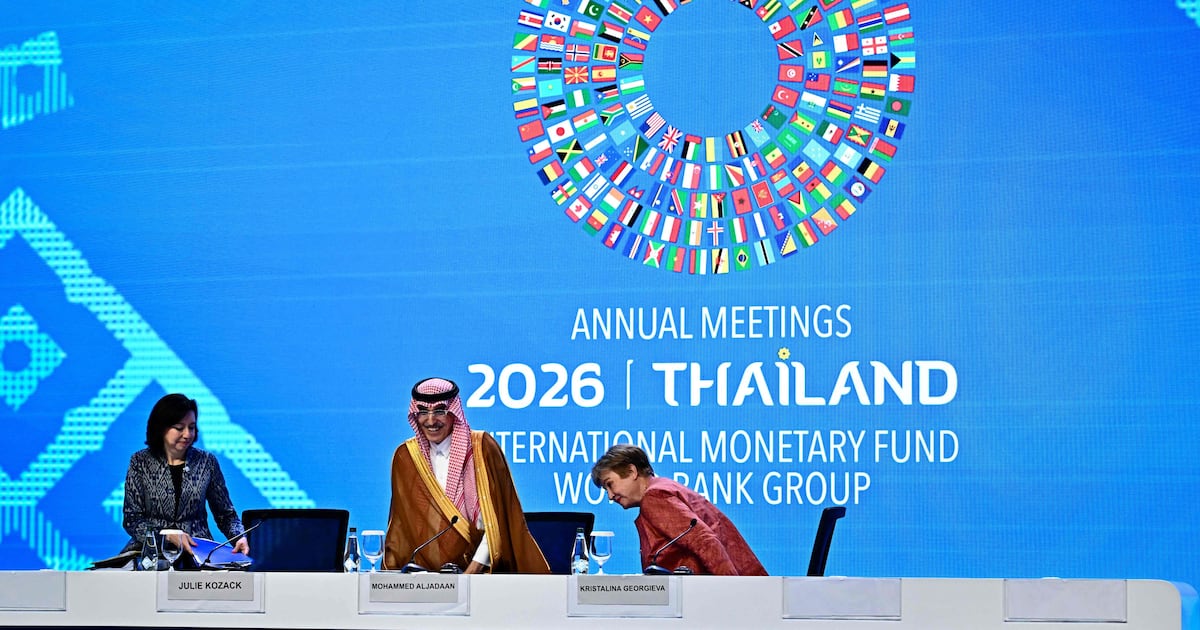
The International Monetary Fund (IMF) is set to initiate discussions with Iraq and Lebanon, part of its broader mission to assist vulnerable nations in the Middle East and North Africa. Kristalina Georgieva, the managing director of the IMF, made this announcement during the annual meetings of the IMF and World Bank held in Thailand. This initiative underscores the IMF’s commitment to providing both financial resources and policy support to countries in need.
Focus on Iraq’s Economic Stability
Iraq has approached the IMF seeking assistance, especially in light of the significant economic and security challenges it faces due to the ongoing conflict in the region. The IMF’s commitment to support Iraq extends beyond financial aid; it also includes strategic policy guidance. Georgieva emphasized, “We will support Iraq very firmly. We would get Iraq both money and policy support.” This dual approach aims to strengthen Iraq’s economic foundation and boost its resilience in uncertain times.
The Iraqi government continues to drive efforts to enhance its global standing. At a recent UN General Assembly, Prime Minister Ali Al Zaidi appealed for international investment in Iraq, showcasing plans aimed at combating corruption and stimulating economic growth. This proactive stance signifies Iraq’s determination to overcome its recent adversities and rebuild its economy, making it an attractive option for international investors.
Lebanon’s Path to Recovery
Lebanon finds itself in a precarious position, being heavily dependent on imports, which exposes it to external shocks, particularly in the ongoing regional conflict. The economic crisis, which ignited in 2019, has been labeled one of the most severe crises in modern history by the World Bank, projecting a 6.4% contraction in Lebanon’s economy for 2026. The IMF is currently engaged in intense discussions with Lebanese authorities to develop a feasible recovery program. Georgieva has mentioned, “We have made significant progress towards a programme,” indicating optimism about the outcome of these negotiations.
Recent steps taken by Lebanon’s central bank demonstrate the nation’s commitment to resolving its financial troubles. Governor Karim Souaid expressed hopes of reaching a “breakthrough” in the discussions regarding a bank resolution law, which aims to compensate depositors whose savings have been ensnared in the financial upheaval. This law is crucial for restoring public trust in the financial system and revitalizing the economy.
Implications for the Region
The IMF’s potential programs for both Iraq and Lebanon illustrate a vital effort to stabilize economies in the Middle East, particularly as they grapple with the ramifications of the ongoing regional war. Georgieva highlighted that comprehensive support for these nations could play a significant role in cushioning the economic shocks they face. Additionally, she commended Gulf nations for their ongoing reform agendas, which have helped mitigate some negative impacts from the regional instability. These efforts, she noted, have been pivotal in providing a buffer against the adverse effects that would have been far worse without proactive reforms.
In conclusion, the IMF’s engagement with Iraq and Lebanon marks a critical step towards fostering economic stability and resilience in the region. By delivering financial assistance coupled with strategic policy support, the IMF aims to help these nations navigate through their respective crises and pave the way for sustainable recovery. As discussions progress, the outcome will be closely monitored, with the hope that both nations can stabilize their economies and enhance their standing on the global stage.