
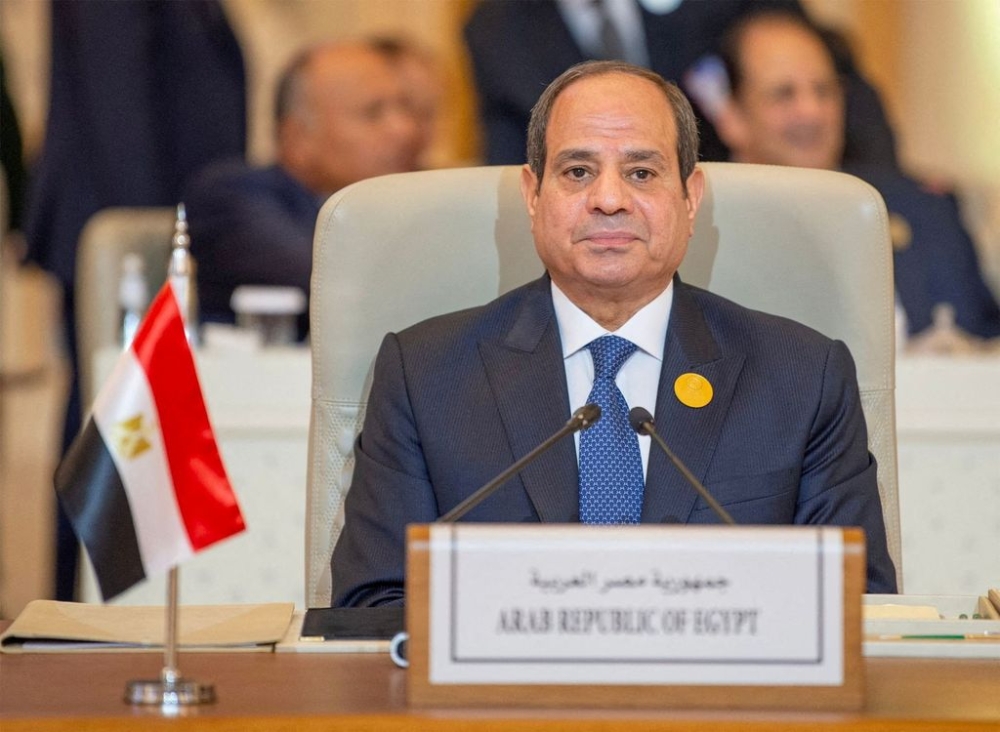
Egyptian President Abdel Fattah al-Sisi has made a definitive statement regarding his political future, confirming that he will not pursue an extension of his presidency past 2030. This declaration, made during a graduation ceremony at the Egyptian Military Academy in the New Administrative Capital, is poised to shape the political landscape as Egypt heads toward the end of his current term.
Al-Sisi’s Commitment to Step Down
Sisi, who has served as president since 2014, stated unequivocally that he views his impending end of office as “completely settled.” He emphasized that there would be no discussions about his extending his presidency beyond the established timeline. The president, now 71, highlighted that he intends to concentrate on preparing the next generation of leaders in Egypt during the time leading up to 2030.
The Egyptian Constitution, which emerged in 2014 following a tumultuous political climate that saw the ousting of former president Mohamed Morsi, initially set a two-term limit for the presidency. Recent amendments passed in a 2019 referendum, however, extended presidential terms from four to six years, permitting Sisi to contest elections for an additional term. He was re-elected in 2023, a term that is set to conclude in 2030.
Future Transition Plans
Amidst speculation about potential constitutional amendments that might allow for an extended presidency, Sisi reassured attendees that the constitution would remain untouched. His focus appears to be on nurturing emerging leaders in governance, with the Military Academy training a new cadre of officials equipped for future roles. This initiative underscores his commitment to a planned transition and responsible leadership development.
However, the political environment in Egypt remains complex. Critics have raised concerns regarding the government’s past and ongoing practices, which they argue stifle political plurality and infringe upon civil liberties. Sisi’s administration has faced persistent criticism from human rights organizations regarding freedom of expression and political opposition. In defense, the government contends that such measures are essential to maintain stability in a nation that has endured considerable upheaval.
The Legacy of Sisi’s Presidency
During his time in office, Sisi has spearheaded a range of ambitious development initiatives, primarily focusing on large-scale megaprojects designed to enhance Egypt’s economy. Critics argue that these undertakings have significantly increased the country’s debt burden, warranting scrutiny of their long-term viability. The economic pressures stemming from this expenditure raise important questions about the sustainability of such growth strategies.
As Sisi prepares to transition power within the next eight years, the success of his outlined plans and their implications for Egypt’s future remain to be seen. The political stage is set for a critical period of change, potentially impacting both domestic policies and Egypt’s standing on the global arena. Ultimately, how Sisi navigates this decade will play a crucial role in shaping Egypt’s governance and socio-economic fabric moving forward.