
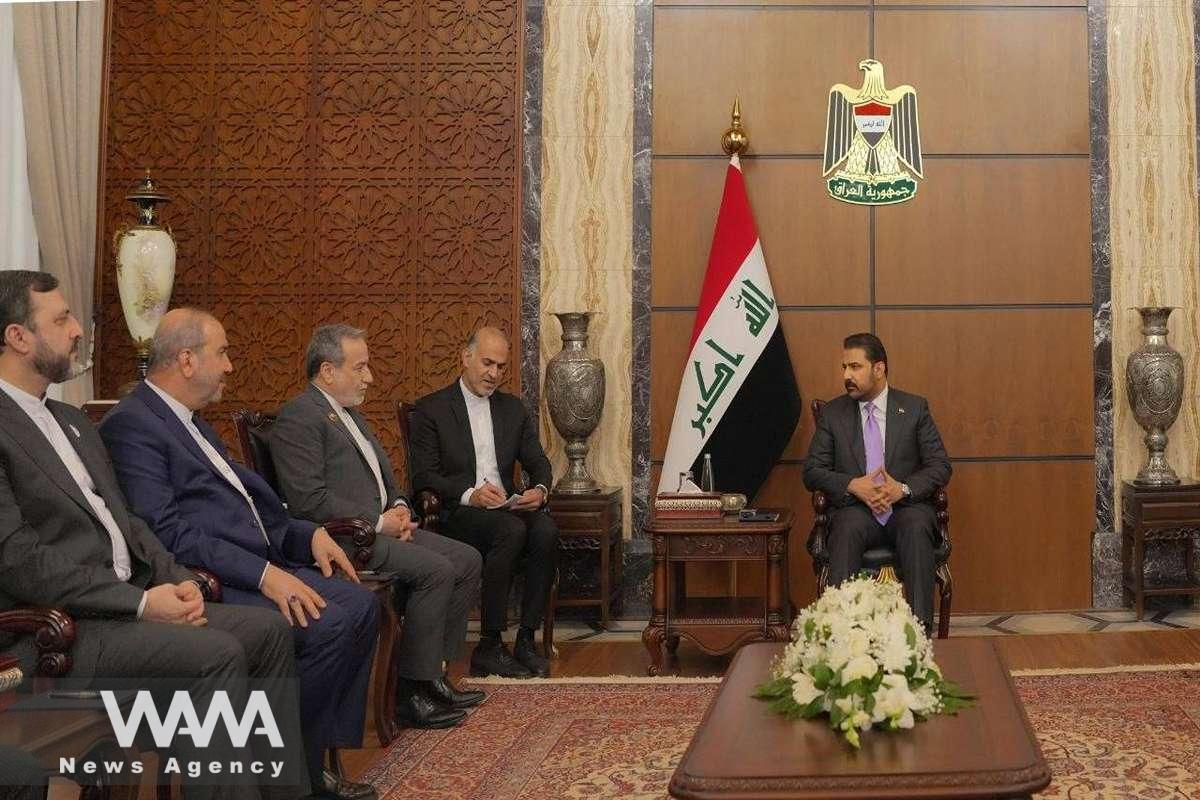
Iran’s Foreign Minister, Abbas Araghchi, recently underscored Tehran’s commitment to enhancing cooperative ties with Iraq during his visit to Baghdad. This meeting coincided with the 52nd Session of the Organization of Islamic Cooperation (OIC) Council of Foreign Ministers. Araghchi emphasized the pivotal role that the OIC can play in addressing various challenges facing the Muslim world, particularly emphasizing support for Palestine and regional security.
Strengthening Bilateral Relations
During his discussions with Iraqi Prime Minister Ali al-Zaidi, Araghchi expressed gratitude for Iraq’s hospitality in hosting the OIC meeting. He stressed the importance of leveraging the full potential of the organization to tackle pressing issues impacting Muslim nations, notably the Palestinian situation amidst ongoing Israeli expansionism. Araghchi reaffirmed Iran’s commitment to cultivate robust relationships with Iraq in various sectors of mutual interest, indicating a willingness to deepen bilateral ties further.
The Iranian Foreign Minister pointed out the shared cultural and religious heritage that binds the two neighbors, further enhancing the prospects for collaboration. This emphasis on unity is paramount not only for diplomatic relations but also for addressing common regional problems. Both countries are focused on mutual development and stability, which could pave the way for more effective collaboration in political, economic, and cultural areas.
Regional Insecurity and Stability
In their discussions, the leaders also explored current regional events and issues impacting peace in West Asia. Araghchi asserted that the ongoing insecurity in the region primarily stems from the actions of the Israeli regime, particularly its occupation and expansionist policies. He noted that over recent years, Israel’s military actions, including aggression towards Lebanon, Syria, and even Iran, pose a significant threat to global peace and stability.
Araghchi further articulated Iran’s dedication to diplomacy as a means of fostering security, criticizing the United States for its role in undermining diplomatic processes through military interventions and breaches of international agreements. He highlighted how these disruptions not only exacerbate regional tensions but also jeopardize the safety of international maritime activities.
Addressing Broader Regional Issues
The dialogue also touched upon other significant regional challenges, including the ongoing conflict between Saudi Arabia and Yemen. Efforts to mitigate the humanitarian crisis in Yemen, particularly by lifting the naval blockade, were key points of concern. Both sides recognized the necessity of reducing regional hostilities, underscoring the need for collective action to achieve peace.
The meeting concluded with a mutual commitment to continue engaging in dialogue and cooperation, setting the stage for potential collaborative efforts through the OIC. As both Iran and Iraq navigate complex regional dynamics, their strengthened relations could play a critical role in fostering peace and stability across the Middle East. By addressing mutual concerns and aspirations, both nations can better position themselves to face the challenges that lie ahead.