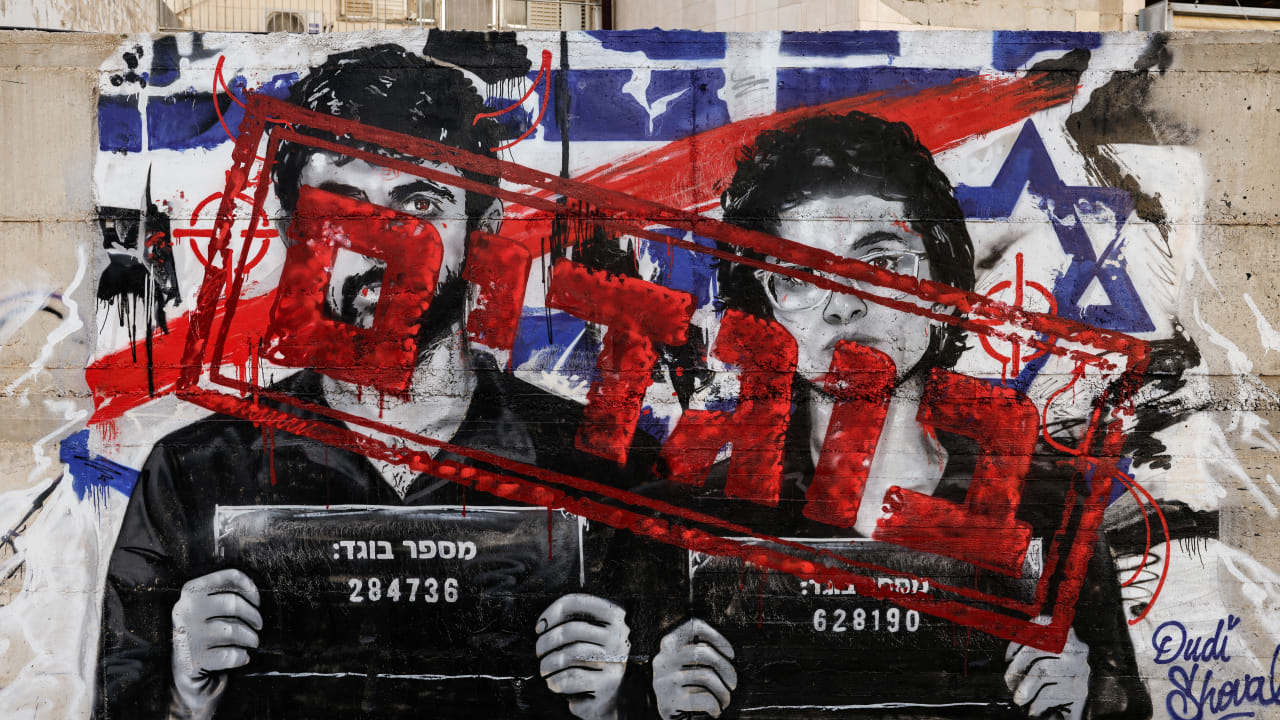
The recent conflict initiated by Hamas on October 7 has drastically impacted Israel’s public relations and strategic standing on the global stage. The ramifications of this invasion were already evident, but the subsequent actions taken by the Israel Defense Forces (IDF) exacerbated the situation, leading to a profound diplomatic crisis that threatens Israel’s long-term security and economic stability.
### Consequences of Public Relations Failures
Following the October invasion, it became apparent that Israel would need to act decisively to combat Hamas. However, the way the IDF managed its public relations transformed an already challenging situation into a diplomatic crisis. The narrative surrounding Israel’s military actions quickly shifted, leading to perceptions of aggression rather than self-defense. The advantages that Israel previously held on the international stage began to diminish as calls for accountability increased.
One pivotal moment was the release of the NAZA film in September 2026, which scrutinized Israel’s military conduct and reinforced accusations of war crimes. This film, combined with sanctions imposed by the European Union over the West Bank, put Israel in a precarious position. Instead of addressing the accusations head-on, Israel found itself facing a new wave of scrutiny regarding its military operations and treatment of civilians during conflicts.
### Missed Opportunities for Dialogue
Israel had a unique opportunity to reshape the narrative presented by the NAZA film and the overwhelming evidence detailed in subsequent reports, such as those from the BBC. Unlike the chaotic conditions of earlier conflicts, the ceasefire with Hamas established in October 2025 allowed Israel to respond unambiguously to claims against it. A comprehensive approach to communicate the realities on the ground, including transparent acknowledgment of any mistakes made, could have helped mitigate the damage to Israel’s international reputation.
However, the IDF’s response has been dismal. Delay and obfuscation have only served to intensify skepticism about Israel’s actions, allowing unchallenged narratives to take root globally. As Israel sees its traditional allies becoming more hesitant to provide unwavering support, the consequences for its security posture are becoming increasingly severe.
### The Risks of Inaction
One troubling trend has been Israel’s reluctance to engage with public perception actively. Claims from within the IDF indicated that responding to criticism would be futile, as international opinion was already largely against them. This self-defeatist attitude risks alienating both long-time allies and neutral parties who may be open to understanding Israel’s complex situation. The importance of maintaining an open dialogue and addressing valid concerns through transparent investigations cannot be overstated.
In a world where public perception can greatly influence international relations, a robust response addressing the allegations of war crimes is essential. By remaining passive, Israel risks losing further ground as international sentiment shifts toward a more critical view of its actions.
### Moving Forward
As the conflict has lessened in intensity, Israel must seize the moment to clarify its stance and engage in proactive communication. High-profile incidents, such as the shooting of civilians and the targeting of schools, have sustained scrutiny. Truthful acknowledgment of any errors, along with a reasoned defense of its military strategies, can help restore some level of confidence among international audiences.
Promptness and transparency in addressing past actions would not only improve Israel’s image but also serve as a blueprint for future military engagements. Failing to correct the narrative risks isolating Israel further and jeopardizing its security in the long run, especially as crucial military support hangs in the balance.
In conclusion, Israel stands at a critical juncture where decisive action and transparent communication could fortify its international standing. Addressing allegations head-on, while maintaining a defensive posture, is essential for reclaiming support and securing its future in a contentious geopolitical environment.