
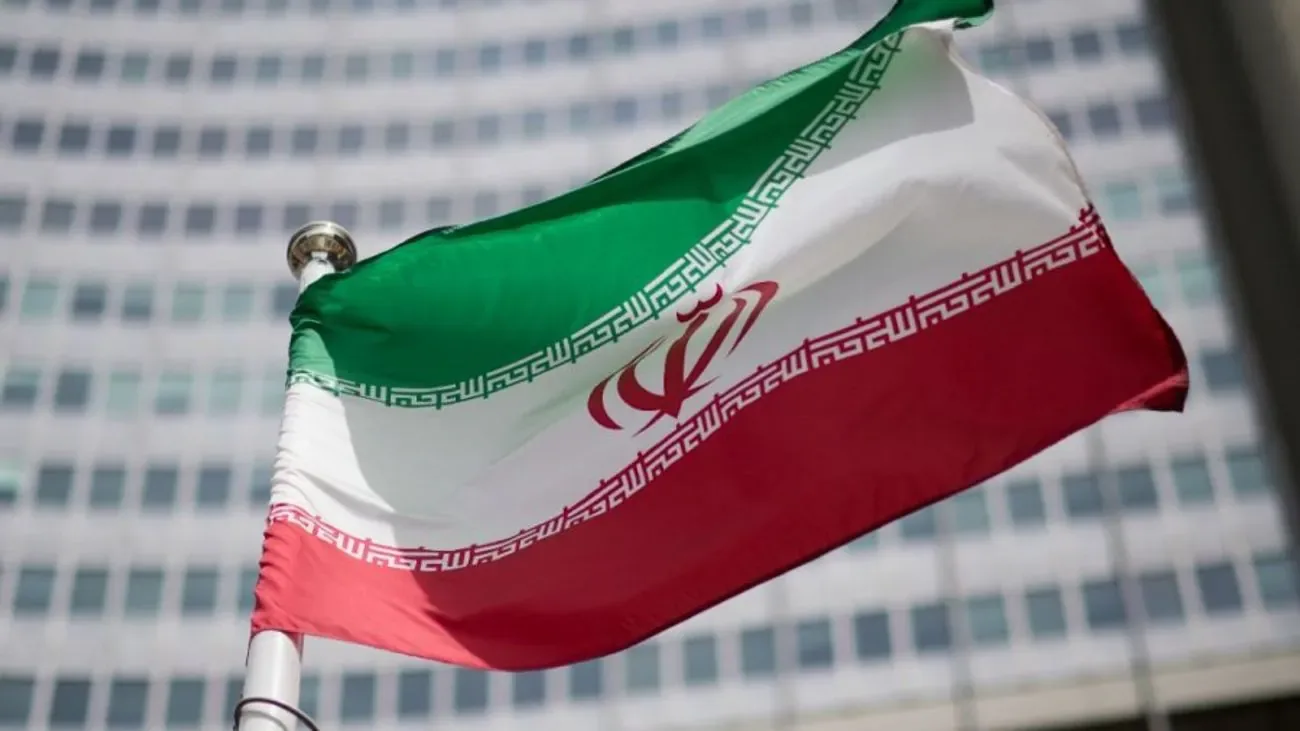
Iran has recently proposed to the United States a plan to reopen the strategically vital Strait of Hormuz within a week. This proposal, made by Iran’s Foreign Minister Abbas Araghchi, is currently subject to ongoing discussions, as reported by UNN, citing sources from Reuters.
Proposal Overview
Iran initially put forth this proposal in mid-September following the lapse of a temporary ceasefire. Since then, the Iranian government has indicated that they have received feedback from the U.S. Yet, barriers remain; Iran’s security chief mentioned that negotiations have stalled due to the U.S.’s failure to meet all seven preconditions designed to facilitate the reopening of the strait. Araghchi asserted that unless genuine efforts are made by the U.S., the critical issue of reopening the Strait of Hormuz will remain unresolved.
The conditions set forth by Iran include the cessation of the U.S. blockade on its ports, the lifting of sanctions imposed on its oil exports, and the cessation of military operations across regional fronts. These demands highlight Tehran’s insistence on a broad diplomatic resolution that addresses both economic hardships they face and regional security concerns.
Current Situation in the Strait
Despite a rise in Iranian attacks on commercial vessels, new data indicates that oil transport through the Strait of Hormuz in October has seen a surprising increase, exceeding 12 million barrels per day. This volume is higher than what was recorded in September, suggesting that, despite tensions, shipping routes remain busy and critical for global oil supply chains.
As the situation evolves, the intricacies of international diplomacy and maritime security are spotlighted, making it essential for stakeholders to monitor developments closely. The ongoing disputes and military maneuvers in the region add layers of complexity to the negotiations, underscoring the challenges that exist in achieving a lasting peace.
Implications for Global Oil Markets
The Strait of Hormuz plays a pivotal role in the global oil market, with a significant portion of the world’s oil supply transiting through this narrow waterway. Any disruption in this route can have far-reaching consequences for energy prices and global economies. The increasing volume of oil shipments in the face of maritime threats indicates a robust demand, yet it simultaneously exacerbates the risk of further confrontations.
As the talks continue, the international community will be watching closely. A successful resolution could stabilize the region and secure vital supply lines, while failure to reach an agreement may lead to escalated tensions, risking not only Iranian and U.S. interests but also impacting global markets and stakeholders far beyond the Middle East.
In conclusion, the Iranian government’s proposal to reopen the Strait of Hormuz underscores the intricate link between diplomacy and economic interests in the region. How the U.S. responds may significantly affect both immediate and long-term stability in one of the world’s most critical maritime corridors. As discussions progress, the necessity for thoughtful engagement remains paramount.