
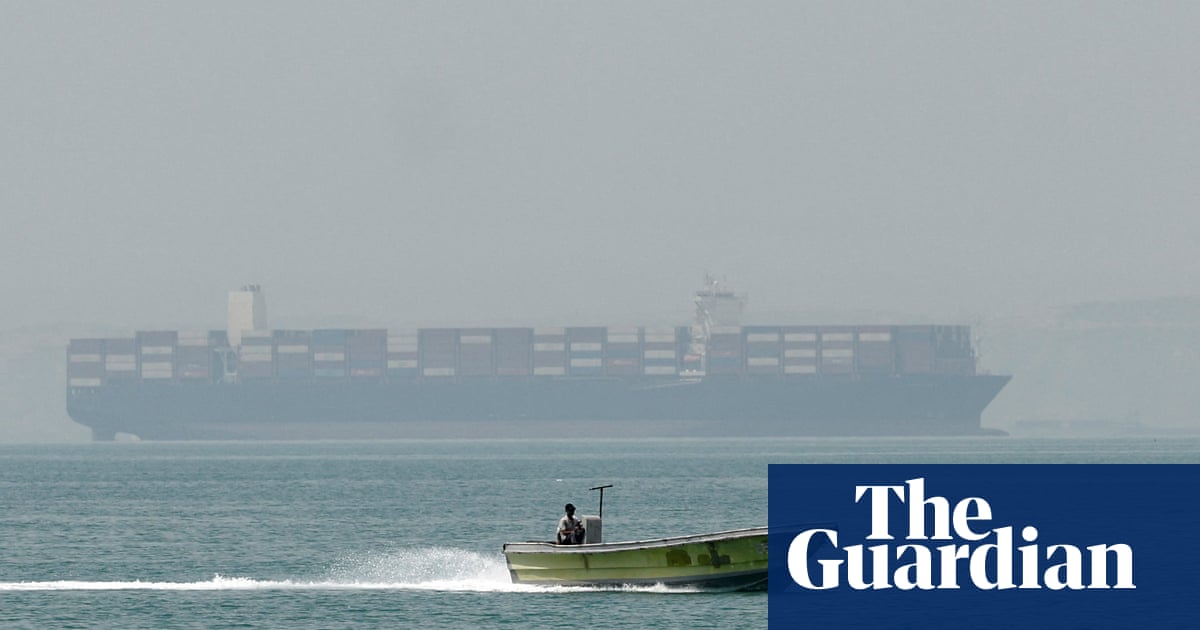
Qatar’s diplomatic efforts are intensifying as it dispatches a mediation team to Tehran, signaling that negotiations surrounding the Strait of Hormuz are reaching a critical phase. These discussions aim to establish a framework for reopening the strategic waterway, in exchange for alleviating U.S. sanctions and asset freezes against Iran. The proposed agreement could lay the groundwork for a month-long dialogue on Iran’s nuclear ambitions, temporarily postponing the contentious issue of its enriched uranium stockpile.
The Role of Qatar as a Mediator
Historically viewed as a skilled intermediary in Middle Eastern affairs, Qatar has recently stepped into a more active mediating role between the United States and Iran. Previously, Oman and more recently Pakistan handled mediation. However, Qatar’s involvement indicates a potential shift as it seeks to facilitate resolutions in an increasingly convoluted geopolitical landscape. Field Marshal Asim Munir, head of Pakistan’s army, is also in Tehran to contribute to the negotiations, although Iranian officials have played down any expectations of immediate breakthroughs.
Stakes Involved in the Hormuz Negotiations
The U.S. Secretary of State, Marco Rubio, acknowledged some progress in the ongoing discussions while asserting that the U.S. will not permit Iran to impose tolls on shipping through Hormuz. Iran has proposed a new governing body—the Persian Gulf Strait Authority—which would have the authority to impose tolls and dictate shipping routes. The United States firmly opposes this initiative, viewing it as a dangerous precedent that threatens maritime freedom in international waters.
Regional leaders express concern that Iran’s strategy may involve overestimating its political capital, as highlighted by Anwar Gargash, a senior diplomat from the United Arab Emirates. The complexity of the situation is underscored by Pakistan’s interior minister’s recent meetings with Iranian officials, indicating Islamabad’s active role in brokering peace. As negotiations unfold, Pakistan may seek to involve China as a potential guarantor of any deal, further complicating the diplomatic landscape.
Regional Responses and Concerns
Five Gulf states—Bahrain, Kuwait, Qatar, Saudi Arabia, and the UAE—have formally urged the International Maritime Organization to caution against engaging with the proposed Persian Gulf Strait Authority. This coalition highlights the fears that Iran’s tolling proposal is an attempt to legitimize its control over vital shipping lanes, undermining regional and global maritime rights. Notably absent from this coalition is Oman, which remains cautious about Tehran’s ambitions while potentially assuming a role in any negotiations.
The stakes are high, as the outcome of the Strait of Hormuz discussions not only affects regional stability but also has global implications for oil prices and shipping security. The ongoing tensions have prompted diplomatic recalibrations, as U.S. officials continue to stress the importance of maintaining open navigation through this crucial maritime corridor.
The Framework for Future Discussions
The focus of negotiations is shifting towards achieving a long-term cessation of hostilities between Iran and the U.S., with Iran pushing for issues like the phased lifting of sanctions, compensation for damages from U.S.-Israeli actions, and assurances against future military interventions. The delicate balance of power in the region makes any resolution particularly challenging, and upcoming talks will likely scrutinize proposals for joint control of the Strait under international oversight.
As discussions continue, many in the international community remain skeptical about Iran’s openness to genuine dialogue concerning its nuclear program. Statements from Iranian officials suggest they prefer to defer these conversations in favor of broader peace initiatives. Observers stress that any viable agreement needs to prioritize not just nuclear concerns but the overall geopolitical stability of the region.