
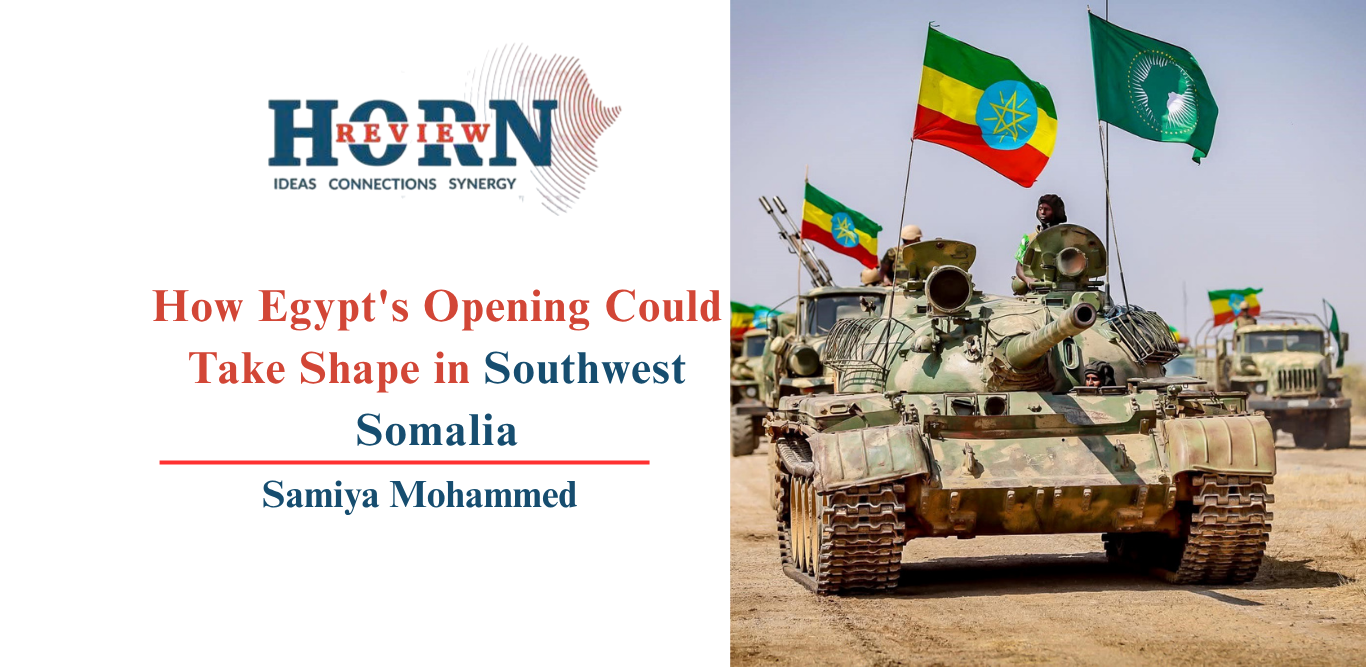
The Bay region of Somalia is currently witnessing a significant decline in federal authority, which has effectively become entrenched due to the resurgence of forces loyal to former South West State leader Abdiaziz Laftagareen. These factions have successfully regained control over critical towns such as Buurhakaba and Qansahdhere. This situation not only threatens the vital road connecting Baidoa to Mogadishu but also exposes the limitations of the federal government’s military capacity and political influence. What was initially perceived as a strategic consolidation of power from the federal government has turned into a troubling contest for authority. The expected political settlement following Laftagareen’s departure has failed to materialize, showing that the ousted factions can regroup and reclaim territory that federal forces struggle to maintain.
The Fragile Landscape of Federal Authority
As the situation stands, the Bay region is no longer a clear success for the federal government but instead a battleground characterized by contested authority and uncertain alliances. Forces aligned with Laftagareen continue to dominate, demonstrating Mogadishu’s inability to impose control purely through military means. This challenge is not merely military but fundamentally political; the federal government has not formed the necessary local coalitions required to maintain authority without ongoing external support. The effective administration of Baidoa and the surrounding regions has become a case study in how fragile federal governance can be when local support is lacking.
Egypt’s Strategic Maneuvering
In the midst of this tumult, Ethiopia’s role is notable. The Ethiopian forces stationed under the African Union (AUSSOM) framework have thus far refrained from actively enforcing federal government agendas. Instead, they have maintained a neutral stance, which challenges Mogadishu’s attempts to characterize Laftagareen’s forces as directly linked to Al-Shabaab. Ethiopia’s refusal to engage in localized conflicts preserves its operational focus on broader counterterrorism goals and prevents it from becoming embroiled in Somali factional politics. By abstaining from direct involvement, Ethiopia protects its own interests while allowing Somalia’s internal dynamics to unfold without interference from its forces.
The Risks of Increased Egyptian Presence
Egypt has begun to occupy the space that Ethiopia has chosen to avoid, actively enhancing its military and diplomatic footprint in Somalia. The deployment of troops, armored assets, and aviation units under the pretext of stabilizing Somalia signals a strategic pivot that places more pressure on the federal government. Egypt’s involvement appears less altruistic and more opportunistic, aiming for greater leverage over Somalia’s political alignments during a time of instability. As Egypt deepens its ties, it risks transforming Somalia into a proxy battleground, exacerbating the already complex dynamics between various factions and external players.
Conclusion: The Future of Somalia’s Political Landscape
The evolving situation in the Bay region serves as a litmus test for the federal authority’s resilience. With growing Egyptian influence and an increasingly fragmented political landscape, the potential for a wider proxy conflict looms. Ethiopia’s avoidance of direct military involvement creates a vacuum that Egypt is quick to fill, but this could lead to complications in Somalia’s internal politics. The fundamental question remains whether Somalia’s leadership can navigate these turbulent waters without losing their autonomy and whether the challenges within the Bay will set a precedent for broader regional instability. As federal authority weakens, so too does the opportunity for genuine stabilization amid an influx of opportunistic external influences.