
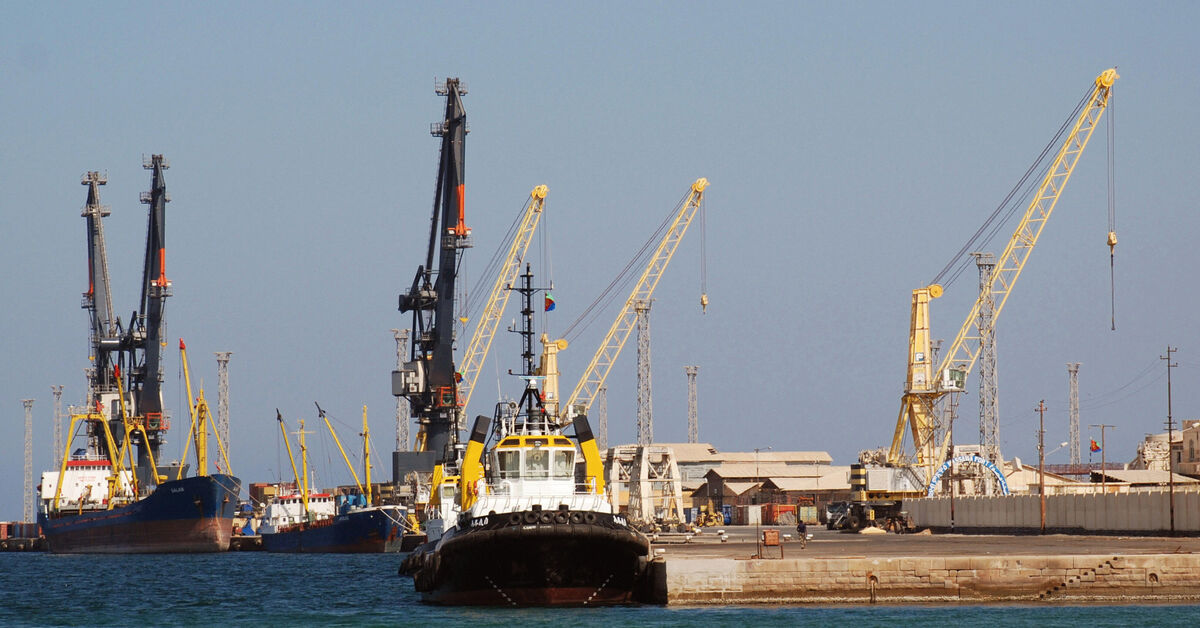
Ethiopia recently voiced accusations against Egypt, alleging attempts to hinder its access to the Red Sea. This declaration follows the signing of a maritime cooperation agreement between Egypt and Eritrea, raising concerns for Addis Ababa.
Recent Developments in Red Sea Access
Ethiopian Foreign Ministry spokesperson Nebiat Getachew held a press conference to assert that Egypt is actively working to “obstruct” Ethiopia’s efforts in securing a path to the Red Sea. Following the press conference, he emphasized that Ethiopia will persist in pursuing access through peaceful means. As part of its strategy, Ethiopia is committed to protecting its maritime interests amid growing tensions.
The accusations come shortly after Egypt and Eritrea cemented their cooperation with agreements focused on maritime transport, including a shipping line connecting Egyptian and Eritrean ports. Egyptian Foreign Minister Badr Abdelatty, during his visit to Eritrea, highlighted that governance and security of the Red Sea must be managed exclusively by nations bordering the sea, dismissing the involvement of external parties.
Background of Ethiopia’s Maritime Aspirations
Ethiopia has faced limitations on its maritime access since Eritrea’s independence in 1993. Over the years, it has been actively seeking to establish a foothold along the Red Sea. In 2024, Ethiopia’s government signed a controversial memorandum with Somaliland, a self-declared breakaway region in Somalia, aiming for access to the port of Berbera. This agreement, however, has stirred opposition from Somalia, which views Somaliland as part of its national territory. Consequently, the implementation of this deal has been fraught with complications, facing international scrutiny and pressure.
Furthermore, tensions between Egypt and Ethiopia extend beyond the recent agreements with Eritrea. The two nations have been embroiled in disputes surrounding the Grand Ethiopian Renaissance Dam (GERD) on the Blue Nile—a major tributary of the Nile River. Egypt has long expressed concerns that the dam could compromise its water supply, which relies heavily on the Nile for over 90% of its needs.
Diplomatic Maneuvers in the Horn of Africa
To counterbalance its situation, Egypt has been strengthening diplomatic ties with several countries in the Horn of Africa, including Sudan, Somalia, and Djibouti. These efforts aim to garner regional support amidst the ongoing Nile dispute with Ethiopia. In contrast, Ethiopia is also enhancing its diplomatic engagements, as demonstrated by the recent visits of Ethiopian diplomats to various countries.
Ethiopian State Minister for Foreign Affairs Hadera Abera Admassu met with Qatar’s Prime Minister, while Ethiopian Foreign Minister Gedion Timothewos held discussions with U.S. Secretary of State Marco Rubio. These diplomatic moves have been interpreted as Ethiopia’s attempts to solidify relationships amid potential shifts in U.S. policy towards Eritrea.
In summary, the geopolitical dynamics in the Red Sea region are shifting, with Ethiopia navigating through complex relationships. The ongoing tensions between Egypt and Ethiopia, alongside Ethiopia’s aspiration for Red Sea access, present challenges that require careful diplomatic engagement to foster regional stability and cooperation.