
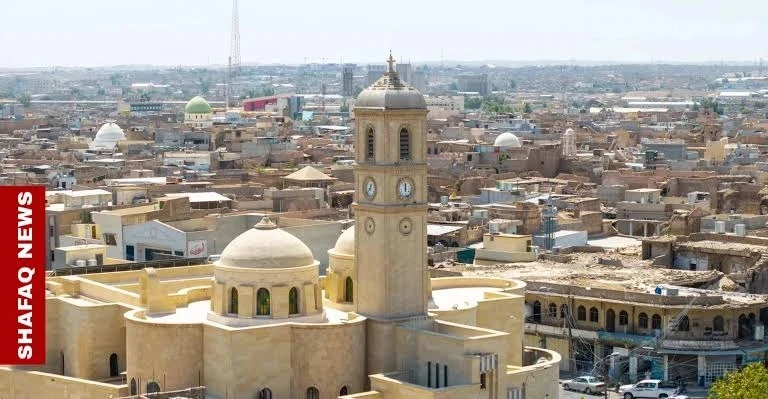
Nineveh remains a vibrant tapestry of Iraq’s rich history and the ongoing struggles its communities face. From its ancient Assyrian heritage to the recent reconstruction efforts in Mosul and the challenges in Sinjar, this province exemplifies both the resilience and complexity of Iraq’s cultural landscape.
A Glimpse into Nineveh’s Past and Present
Nineveh has always been a focal point for Iraq’s historical narrative. Named after the ancient city that served as the capital of the Neo-Assyrian Empire, it was home to some of the largest populations in antiquity. The monumental architecture and innovative governance of the Neo-Assyrian era forged a civilization that left an indelible mark on human history.
Today, Nineveh represents striking contrasts. Mosul, its administrative center and one of Iraq’s largest cities, has been revitalizing its urban life, even as the aftermath of war lingers in the form of visible scars. Surrounding regions, such as Sinjar, remain haunted by the legacies of ISIS-era atrocities and ongoing societal challenges. These disparities indicate the multifaceted narrative of Nineveh, where ancient heritage coexists with modern reconstruction and community revival.
Heritage and Diversity in Nineveh
The ancient city of Nineveh reached its peak in the seventh century BCE, showcasing remarkable achievements in architecture, military organization, and culture. Archaeological sites like Kuyunjik reveal the legacy of great rulers such as Sennacherib and Ashurbanipal. Parts of these ancient walls still stand, symbolizing a remarkable connection between the past and the present.
However, this heritage suffered significantly during the ISIS takeover in 2014, which led to mass destruction and the displacement of countless families. Although Iraqi forces declared Mosul liberated in 2017, the challenges of restoring normalcy remain immense. The diverse tapestry of Nineveh includes communities of Arabs, Kurds, Turkmen, Yazidis, Assyrians, and various religious minorities, reflecting a long history of coexistence mingled with conflict. According to Dr. Layla Salih, head of the Nineveh Antiquities Section, this diversity is both a strength and a challenge that affects the province’s path to recovery.
The Economic Landscape of Nineveh
Geographically, Nineveh spans from the Tigris River valley to the Sinjar Mountains, serving as a corridor for trade and cultural exchange. Its fertile plains are vital for agriculture, producing staple crops such as wheat and barley. Yet the region faces increasing pressure from climate change, with water shortages impacting agricultural productivity and rural livelihoods.
Economically, Nineveh has vast energy resources, including the Qayyarah oil field, which resumed production after the war. The diversification of industry is crucial for recovery, with sectors like food processing and small enterprises becoming more prominent. In Mosul, as commercial activities gain momentum, improvements in infrastructure—like renewed roadways and the reopening of Mosul International Airport—have boosted connectivity and trade. However, high unemployment rates, particularly among youth, pose a significant hurdle to sustainable economic growth.
Ongoing Recovery and Cultural Revitalization
No discussion of Nineveh’s recovery is complete without mentioning the plight of Sinjar. After the devastating ISIS attack on the Yazidi community in 2014, significant challenges remain for those displaced. While some families have begun to return, essential infrastructure and public services are still lacking. The 2020 Sinjar Agreement aimed to cement security and establish administrative frameworks, yet its implementation is still a work in progress.
Conversely, the revitalization efforts in Mosul provide a sense of hope. Initiatives like UNESCO’s Revive the Spirit of Mosul aim to restore cultural heritage and foster social cohesion. Restoration projects—including rebuilding historically significant mosques and churches—serve not only to revive physical structures but also to heal communal wounds and foster a sense of belonging among the diverse communities in Nineveh.
As Mosul embraces its cultural heritage, the strands of music, art, and education are woven back into its daily life, signaling a promising trajectory for both memory and reconstruction. However, as communities navigate their way forward, continuous efforts in education and community building remain critical for lasting peace and prosperity in Nineveh.