
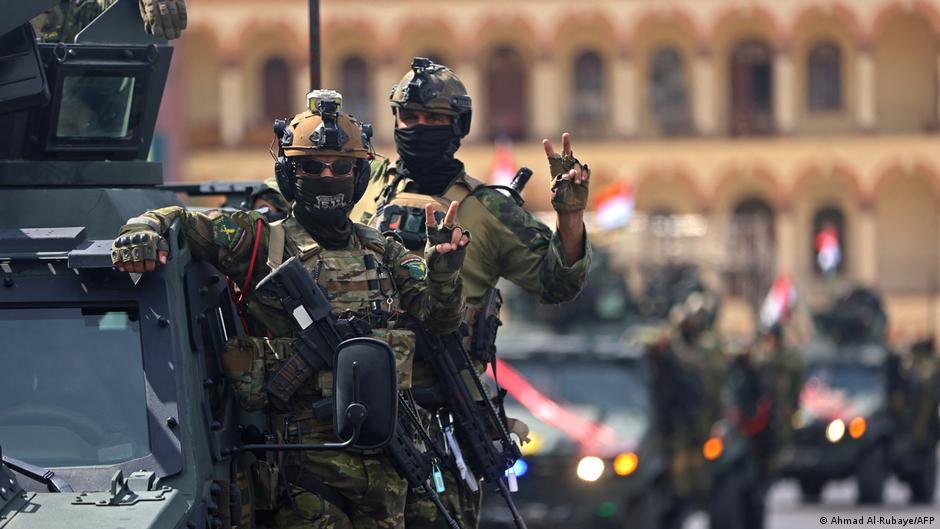
As U.S. forces conclude their withdrawal from Iraq, concerns are escalating regarding the nation’s security landscape. The United States invaded Iraq in 2003 during the second Iraq war, and subsequently returned to assist in combating the Islamic State group, which once held significant territory within the country.
The Impact of U.S. Withdrawal on Iraqi Stability
Iraqi officials assert that the nation is prepared to maintain security independently. They express confidence in the capabilities of local military and security forces to manage threats effectively. However, the perspectives of ordinary citizens present a more cautious narrative. Many residents harbor fears that the U.S. exit could create a power vacuum, potentially revitalizing extremist factions that had previously been subdued.
The absence of U.S. forces may embolden groups like ISIS, which still possess operatives and ideology within the region. The concern is palpable: will the Iraqi armed forces be equipped to address such threats without the logistical and tactical support once provided by their American counterparts? While the Iraqi government is optimistic, public sentiment leans towards apprehension, with many fearing a resurgence of violence and instability similar to what was experienced before the U.S. military presence.
Regional Implications of a Changing Security Landscape
The ripple effects of the U.S. withdrawal extend beyond Iraqi borders. Neighboring countries are closely monitoring the situation, as shifts in Iraq’s security could influence wider regional dynamics. Iran, for instance, has a significant interest in Iraq’s political and security affairs and could view a heightened security threat as an opportunity to expand its influence. The delicate balance of power in the region is at stake, and the international community is left to ponder the implications of a potentially unstable Iraq.
Furthermore, the rise of extremist groups in Iraq could attract foreign fighters and sympathizers from across the Middle East, worsening an already volatile situation. Nations in the region have historically faced challenges from radicalized elements, and Iraq’s instability could exacerbate the existing tensions in areas like Syria and Lebanon.
Community Perspectives on Ongoing Security Challenges
Iraqi citizens are concerned about their safety in the wake of the U.S. withdrawal. Many express worries about the potential for civil unrest or a resurgence of armed conflict, leading to a general climate of uncertainty. Voices from the street highlight the desire for a peaceful and secure future but underscore their hesitance toward the government’s assurances. For some, the memories of past conflicts loom large, fostering skepticism about Iraq’s ability to navigate its own security challenges effectively.
As the nation stands at a critical juncture, the road ahead remains unpredictable. The balance of power between local forces, militia groups, and the central government will be crucial in determining Iraq’s security trajectory. The international community continues to watch closely, acknowledging that the fate of Iraq influences not only its own citizens but also broader geopolitical stability in an already tumultuous region.
In conclusion, while U.S. leaders exit Iraq, the challenges that lie ahead are daunting. The implications of this withdrawal could redefine the security landscape of Iraq and its neighbors for years to come. It is fundamental for both Iraqi authorities and their international partners to remain vigilant, fostering an environment that can prevent the resurgence of extremism.