
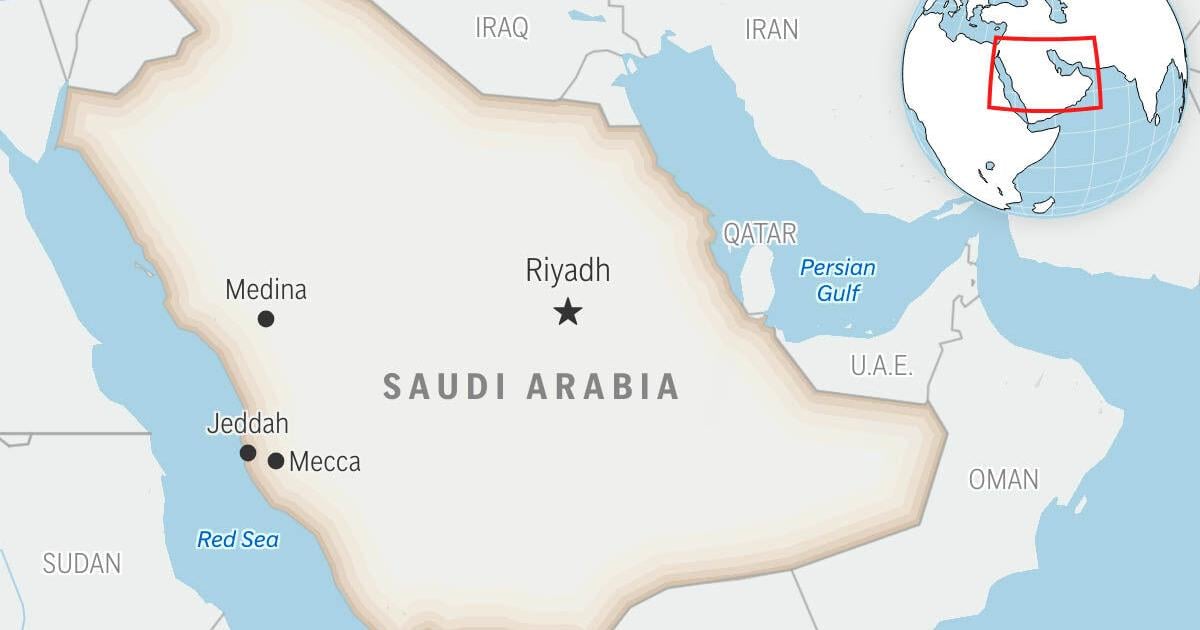
Saudi Arabia has executed two Bangladeshi nationals for alleged immoral acts within a mosque in Mecca. The situation has sparked significant concern, particularly because Bangladesh officials stated they were not notified about the executions in advance. This incident underscores ongoing discussions regarding law enforcement practices in different nations and the rights of foreign nationals.
Details Surrounding the Executions
The two individuals were reportedly charged with committing acts deemed indecent in one of Islam’s holiest sites. Saudi Arabia maintains strict laws regarding behavior within its borders, especially in religious locations. The swift actions taken against the two men reflect the kingdom’s unwavering stance on moral governance. In recent years, the country has faced scrutiny from international human rights organizations regarding its legal processes and execution practices. This execution raises crucial questions regarding whether foreign nationals receive fair treatment under the law in Saudi Arabia.
Bangladesh’s Response
In light of these executions, the Bangladesh government has voiced its concerns. Officials have expressed disappointment not only over the lack of prior notification but also regarding the implications for Bangladeshi nationals residing in or visiting Saudi Arabia. The foreign ministry’s response suggests this incident may strain diplomatic relations and lead to calls for increased protections for citizens living abroad. This situation emphasizes the need for consistent communication between nations when it comes to legal matters involving foreign nationals.
The Broader Implications
The executions highlight significant cultural and legal differences between countries, especially regarding moral conduct. Saudi Arabia’s enforcement of Islamic law plays a pivotal role in how such incidents are handled, often leading to harsh penalties for what might be viewed as minor offenses in other parts of the world. This divergence in legal frameworks raises vital discussions about human rights practices and the treatment of foreign workers and visitors in the kingdom.
As countries increasingly navigate the complexities of globalization, the need for mutual understanding and respect for international human rights standards becomes more pressing. There is an urgent call for countries like Saudi Arabia to balance their legal traditions with global human rights commitments to foster better relations with the international community.
Future Considerations
The incident serves as a reminder of the ongoing challenges faced by migrant workers in the Gulf region. As many Bangladeshis work in Saudi Arabia, often in labor-intensive jobs, ensuring their rights and dignities are respected should be a priority for both governments. Furthermore, the need for greater dialogue on legal processes and the rights of foreign nationals in Saudi Arabia cannot be overstated.
In conclusion, the executions of the two Bangladeshi nationals serve as a stark illustration of the complexities surrounding legal enforcement, human rights, and international relationships. As both Bangladesh and Saudi Arabia assess the fallout, it will be crucial for diplomatic efforts to address concerns and establish safeguards for the rights of individuals across borders.