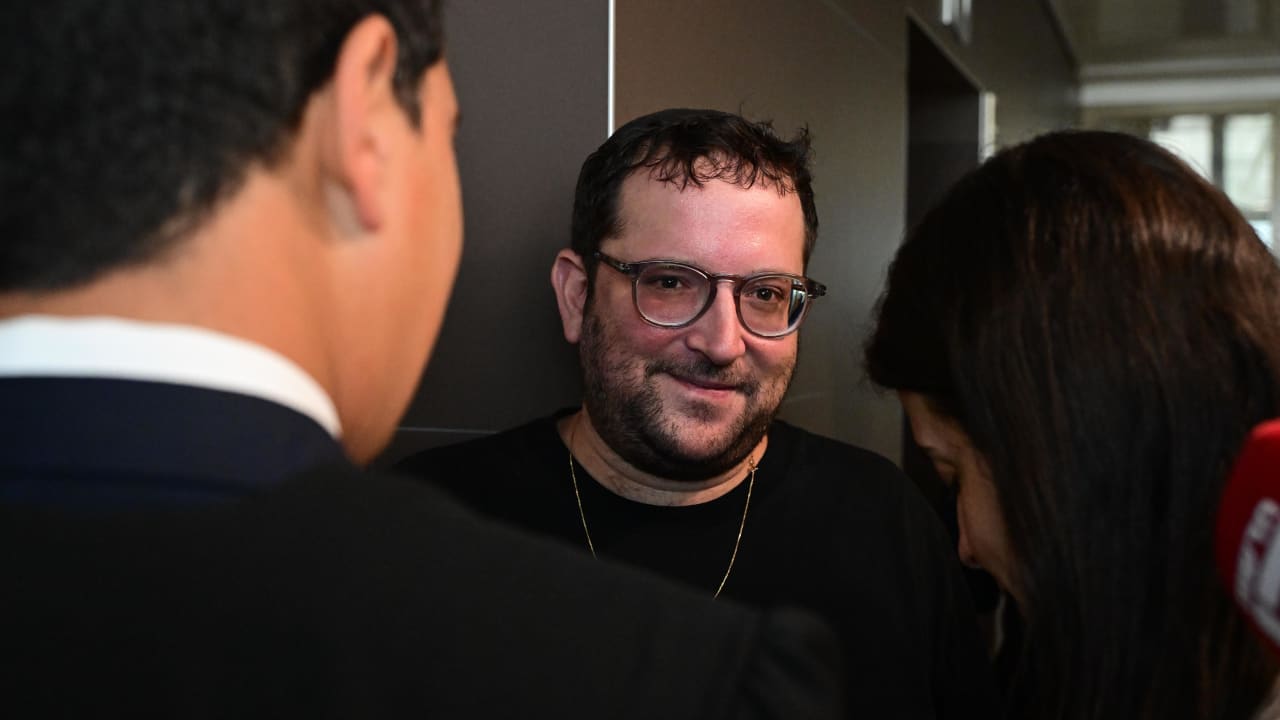
In a startling revelation, Yonatan Urich, a senior aide to Prime Minister Benjamin Netanyahu, has claimed to have accepted substantial funds from Qatar. According to reports by N12 News, this occurred even after the tragic events of October 7, which heightened tensions between Israel and various nations. The controversy surrounding Urich raises critical questions regarding foreign influence in Israeli politics and the ethics of such financial arrangements.
Urich’s Claims and Contradictions
During a recent investigation linked to the Qatargate scandal, Urich admitted to potentially collaborating with Qatar until mid-2024 but claims he refrained from doing so within Israel after the October 7 incidents. His inconsistent statements about timelines and activities have drawn skepticism. When asked about his dealings, Urich emphasized that he maintained a distinction between his external consulting work and domestic responsibilities, suggesting that he was under no obligation to fully disclose his interactions with Qatar to Netanyahu.
Despite admitting to the prior financial transactions, Urich denied receiving any funds from Qatar after the recent massacre. This denial has sparked even greater scrutiny regarding the transparency of such dealings and their implications for national security. The paradox of his admissions calls into question the integrity of his claims and the political ramifications they bear.
Political Fallout and Public Reaction
The fallout from these revelations has been considerable. Notable political figures, including former Prime Minister Naftali Bennett and Democratic Party chairman Yair Golan, have condemned Urich’s actions. Bennett characterized the situation as “the most serious case of treason in the history of the State of Israel,” calling for greater accountability from Netanyahu regarding his relationship with Qatar. Golan echoed this sentiment, criticizing Urich for showing no remorse and calling for a thorough investigation into Netanyahu’s ties to the Gulf state.
Golan proposed that on Election Day, they would “boot the Qataris out of the Prime Minister’s Office” and establish an inquiry committee to address these concerns. This promise of accountability resonates with a public increasingly wary of foreign influence over their government.
Meetings with Qatari Officials
The gravity of Urich’s situation increases with revelations about his meetings with key Qatari figures, including Thawadi, a prominent advisor to Qatar’s emir. N12 News indicated that these discussions involved Urich’s business partner, Yisrael “Srulik” Einhorn, and other lobbyists, further complicating the narrative surrounding Urich’s dealings.
Urich’s past denials of knowing certain individuals connected to Qatar add layers to the ongoing investigation. These complexities highlight the intertwining of personal and political interests and raise ethical concerns regarding lobbying and foreign influence.
As this story unfolds, it captivates public interest and demands intervention. The implications of such relationships extend beyond individual accountability and taps into broader issues of governance, ethical conduct, and national integrity. The actions taken in the coming months may shape Israel’s political landscape significantly. The interplay of external influences and internal politics leaves citizens questioning the future trajectory of Israeli governance and its diplomatic relationships.