
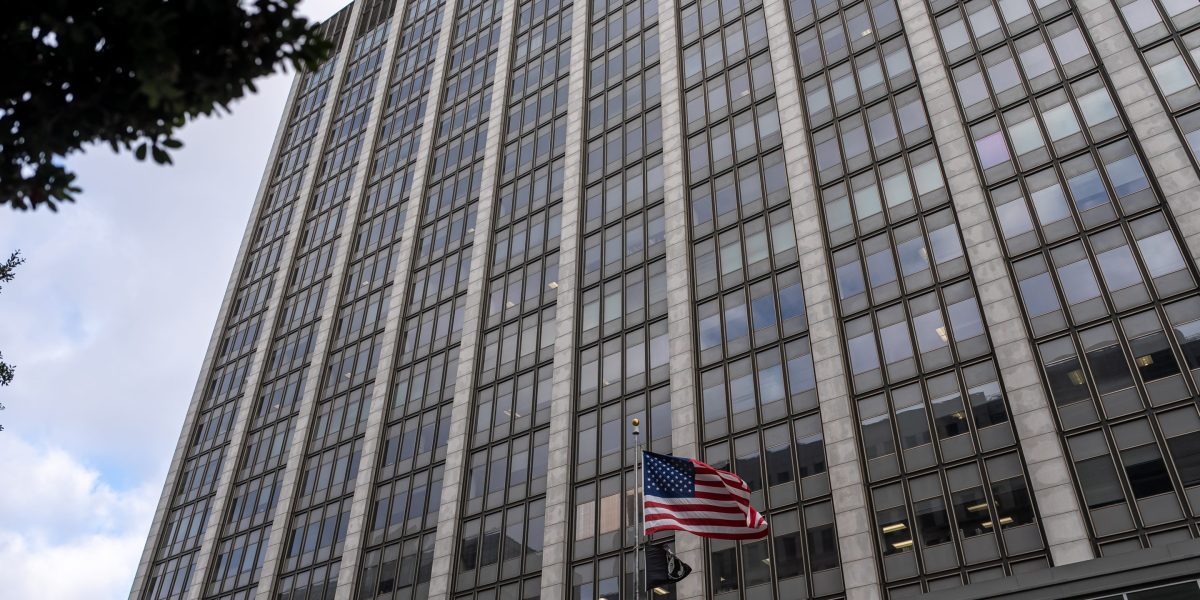
A federal judge has issued a ruling to keep a former OpenAI engineer, Abdulrahman Alfozan, in custody pending further hearings. This decision follows his arrest by the FBI over allegations of secretly recording discussions in an executive conference room. The court expressed skepticism about a $1 million bond offered by the Saudi government, raising concerns regarding Alfozan’s potential flight risk.
The Court Proceedings
During the court appearance, Alfozan, 35, was visibly present in an orange jumpsuit and was accompanied by U.S. marshals. The magistrate judge, Alex G. Tse, emphasized the need for caution, questioning whether the bond could truly ensure Alfozan’s return if he chose to escape. He pointed out that the stakes involved were significant, underscoring the risks associated with the case. OpenAI terminated his employment the same day he was arrested, though his lawyer contended that no formal notification had been made.
A significant public presence was noted at the hearing, including students interested in a case tied to a highly influential technology company. Court documents submitted by the prosecution and defense revealed critical details about Alfozan’s situation. He is seeking release with conditions such as an ankle monitor. However, the U.S. argues he poses a danger to national security and is likely to abscond.
Charges and Allegations Against Alfozan
Alfozan has been charged with one count concerning the illegal interception of oral communications, which could lead to a maximum prison sentence of five years. Although he is under a criminal complaint, no formal indictment or plea has taken place yet. It’s important to note that espionage allegations or trade secret theft have not been levied against him, a point that his defense emphasizes in court. OpenAI has stated that they found no evidence suggesting he misappropriated proprietary data or sensitive information.
Evidence brought forward during the hearings includes details about Alfozan’s travel plans. He had a one-way flight to Saudi Arabia booked shortly after his arrest, leading to questions about his intentions. His wife, who also holds Saudi citizenship, had allegedly communicated plans for a permanent move to Saudi Arabia, though updates indicated she was now returning to the U.S. on a temporary visa.
Evidence Uncovered in Investigations
Investigators found several electronic components resembling the recording device Alfozan allegedly used, along with digital evidence from his iPhone. His phone contained pictures of similar devices and notes indicating recent reconnaissance activities within OpenAI. These notes raised suspicions about potential motives and intentions, further complicating his defense.
Additionally, the prosecution provided details about Alfozan’s online behavior that suggested he had queried information related to sensitive meetings and conferences connected to Saudi Arabian officials. This has raised alarms regarding potential security risks associated with his actions and intentions.
The Path Ahead for Alfozan
Following his arrest, Alfozan’s family departed the U.S. under unusual circumstances — being transported by a member of the Saudi military. The Saudi government has publicly expressed willingness to assist financially should Alfozan require bail, but concerns about flight risk remain a significant factor. Communications with a member of the Saudi royal family prior to and following Alfozan’s arrest have led authorities to ponder whether he is compromising U.S. national interests.
Ultimately, Alfozan’s future hinges on upcoming court decisions, scheduled for Nov. 6, which will coincide with his citizenship interview — an aspiration he has pursued for years. His legal team maintains that he intended to return to the U.S. after a temporary visit to Saudi Arabia for paternity leave. As this high-profile case develops, it underscores the complexities surrounding national security, technology, and individual rights.