
“Once Upon a Time in the Middle East”: A Mixed Bag of Cinematic Ambitions
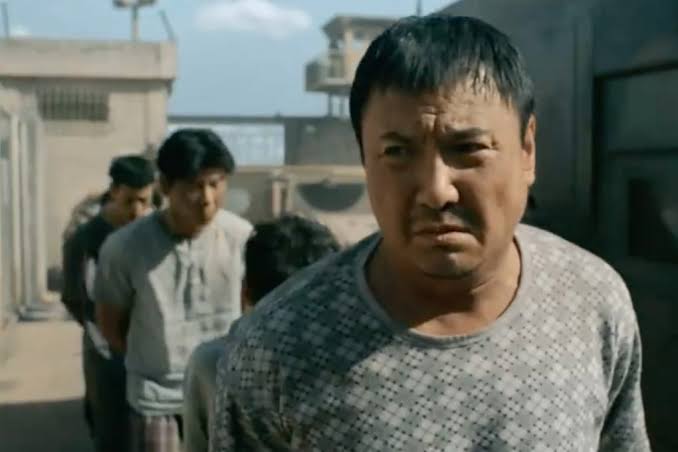
“Once Upon a Time in the Middle East” represents a notable cinematic endeavor from China, set against the backdrop of the Iraq War. Directed by Muye Wen, the film aspires to blend an Eastern perspective on conflict with the stylistic elements of a Spaghetti Western. However, it grapples with its narrative ambition, often veering between an intimate portrayal of personal struggles and heavy-handed political messaging.
Conflicted Themes and Narrative Structure
The film’s storyline oscillates between a focus on the personal journey of a Chinese chef and broader themes of war, victimhood, and international politics. Wen, who previously directed the acclaimed “Dying to Survive,” opts to layer the theme of child soldiers only in later parts of the film. The initial focus centers on the chef’s battle against Western imperialism and cultural dilution represented by dishes like General Tso’s Chicken. This disparity makes the social message feel somewhat tacked on, diluting the emotional gravity of the narrative.
Despite its ambition, the storytelling lacks cohesion. While it aims to offer an immersive cinematic experience by depicting the chaos of the American invasion of Iraq in 2003, the execution often falters. The journey from the initial airstrikes in Baghdad to the subsequent civilian casualties presents a stark view of wartime reality, yet the film’s pacing and narrative structure can be frustratingly disjointed. It meanders at times, losing sight of its focal point until it arrives at a more sentimental climax centered on orphans impacted by the war.
A Chef’s Journey Amidst Chaos
The film opens with Xu Fu, an aging Chinese chef, facing inquiries from customs officers about his past. Labeled a “terrorist,” Xu attempts to explain the complexities of his life as a cook who ventured to Iraq in search of financial stability. Leaving his daughter behind, he embarks on a journey that leads him to Loong Restaurant, where he showcases his culinary skills and earns a local following.
Interactions with Zaid, a Ba’athist restaurant owner, further complicate Xu’s situation. Zaid, seeking to align with American forces for survival, helps Xu navigate the new socioeconomic landscape. The restaurant becomes a hub for both locals and occupying forces, and Xu’s connection with the children of a nearby orphanage creates a heartwarming subplot amid the chaos. As the political climate deteriorates, Xu finds himself entangled in conflict, with the restaurant evolving into an illegal bar as the occupation intensifies.
Cinematic Execution and Production Quality
Visually, “Once Upon a Time in the Middle East” boasts high production values, capturing the gritty essence of war-torn Iraq while showcasing engaging food preparation sequences. However, the film struggles with pacing and narrative coherence. Frequent reliance on voice-over narration attempts to guide viewers through its complexities but often feels like an ungraceful crutch. The script’s scattered elements create a sense of disarray that undermines the emotional weight of the story.
While Teng Shen offers a robust performance as Xu, the introduction of multiple supporting characters, each encapsulating familiar stereotypes, leads to a dilution of narrative focus. The film occasionally halts to deliver political commentary, focusing on American interventionists and the complexities of regional conflicts. While these critiques may resonate, they also risk feeling clichéd and oversimplified.
In conclusion, “Once Upon a Time in the Middle East” presents an ambitious yet uneven narrative. It showcases the struggles of an individual caught in the crossfire of geopolitics, but its overreliance on tropes and disjointed storytelling may leave viewers wanting a more nuanced exploration of its themes. The intertwining of personal and political narratives offers potential but often stumbles under the weight of its own aspirations.