
In a recent discussion, King Abdullah II of Jordan and Iraqi President Nizar Amidi emphasized the urgency of advancing the Basra–Aqaba oil pipeline project. Their conversation, conducted over the phone, also touched on the importance of enhancing bilateral ties and exploring cooperative ventures in multiple sectors.
Overview of the Pipeline Project
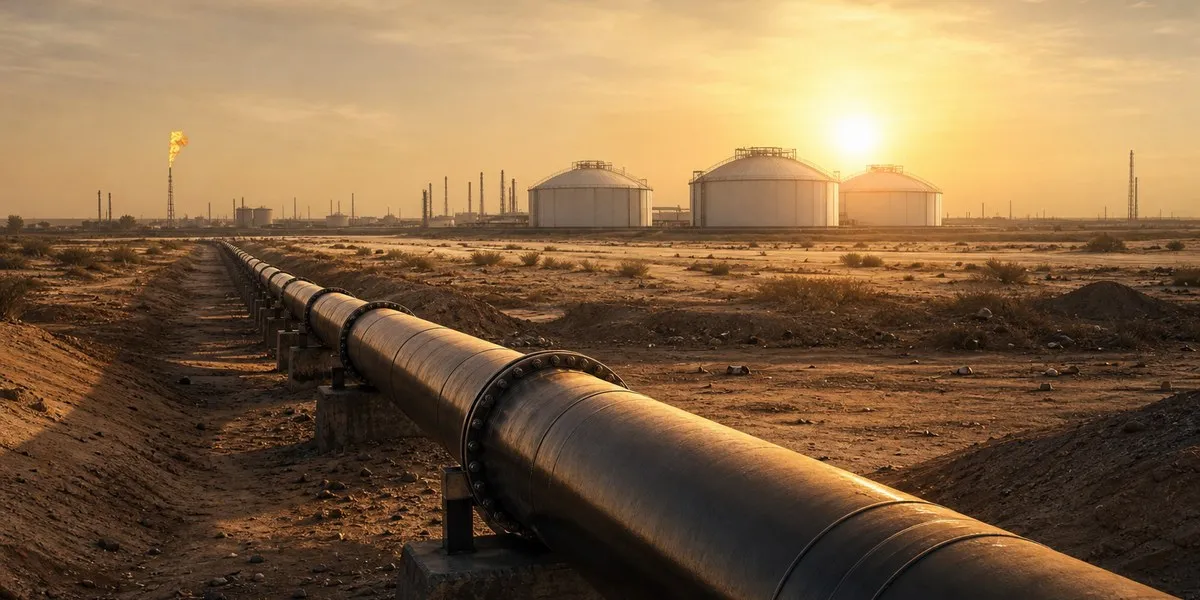
The Basra–Aqaba pipeline aims to transport oil from Basra, located along the Arabian Gulf, directly to the southern Jordanian port of Aqaba. This route is strategically designed to circumvent the commonly congested Strait of Hormuz, offering a reliable alternative for oil exports.
Originally, Iraq and Jordan established a framework agreement in April 2012 for the pipeline’s development. The projected length of this pipeline spans approximately 1,700 kilometers, with the capability to transport up to 1 million barrels of crude oil daily. However, despite its promising prospects and an estimated cost of around $18 billion, the construction has not yet commenced.
Projected Oil Supply and Infrastructure Developments
The operational plan for the pipeline anticipates that Jordan will receive approximately 150,000 barrels of crude oil each day. Moreover, the project entails the construction of necessary infrastructure, including storage facilities capable of holding up to 7 million barrels and a dedicated oil export terminal.
During a visit to Jordan on June 7, Iraqi Parliament Speaker Haybat al-Halbousi underscored the pipeline’s strategic significance for Iraq, particularly given existing limitations on oil exports through the Strait of Hormuz. Iraqi Foreign Minister Fuad Hussein highlighted the severe economic setbacks Iraq has experienced, losing approximately $60 billion due to ongoing regional conflicts.
Prior to these disruptions, Iraq was producing around 4 million barrels of oil daily, with approximately 3.5 million barrels being exported predominantly through southern routes. Recent reports indicate that Iraq’s foreign currency reserves have diminished by $20 billion, and consumer prices have surged, further illustrating the economic strain caused by these challenges.
In light of the persistent issues surrounding oil exports and regional stability, the Basra–Aqaba oil pipeline stands as a crucial initiative for both Iraq and Jordan. Successful implementation of this project could not only enhance energy security for both nations but also contribute significantly to their economic revitalization.