
Negotiations between Iran and the United States are continuing, according to various reports emerging from Doha, Qatar. While tensions remain high, officials indicate that both parties are dedicated to diplomatic discussions aimed at reducing conflict and finding resolutions to ongoing issues.
Ongoing Diplomatic Engagements
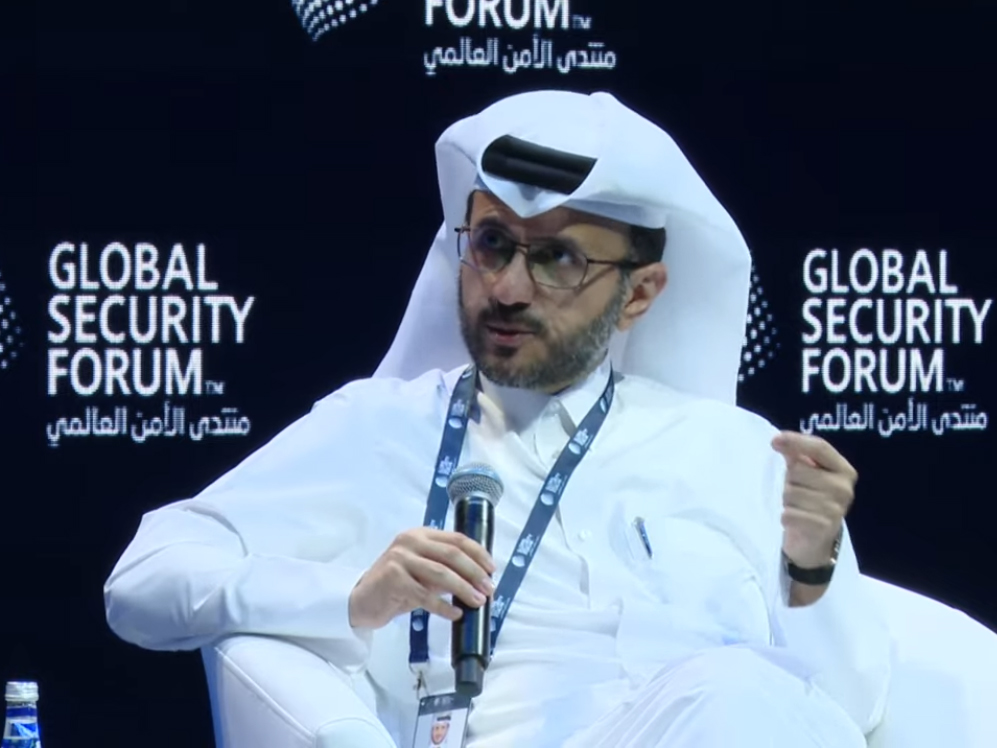
During a recent address at the Global Security Forum in Doha, HE Dr. Majed bin Mohammed Al Ansari, Advisor to the Prime Minister and spokesperson for the Ministry of Foreign Affairs (MoFA), confirmed that negotiations surrounding the Joint Comprehensive Plan of Action (JCPOA) are still active. He emphasized that meaningful engagement is occurring between Iran and the US, which is a hopeful indication for the future of these discussions.
Dr. Al Ansari noted that the lack of media coverage surrounding these negotiations could actually be a positive sign, suggesting that back-channel talks may be progressing without public scrutiny. He expressed confidence that mediation efforts have a higher likelihood of success when they occur away from the public eye, allowing for more candid dialogue between parties.
Regional Stability and Support for Saudi Arabia
In light of escalating regional tensions, Dr. Al Ansari also underscored Qatar’s commitment to supporting Saudi Arabia in its efforts to protect its sovereignty. The spokesperson emphasized the importance of standing unified with neighboring countries amid the growing geopolitical challenges. Qatar’s position highlights the delicate balance it seeks to maintain in a volatile region, striving for stability while also advocating for its allies.
The ongoing support for Saudi Arabia reflects Qatar’s strategic interests and dedication to collective regional security. As external pressures continue to mount, maintaining strong alliances will be crucial for addressing potential threats and fostering peace in the Middle East.
Future Implications of Continued Negotiations
The prolonged nature of the negotiations between Iran and the US has significant implications for international relations and regional dynamics. If both sides can find common ground, it could pave the way for a more stable Middle East, easing fears of renewed military conflict. However, success hinges on continued diplomatic efforts and the willingness of both parties to engage constructively and openly.
Alongside these discussions, the involvement of regional players like Qatar and Saudi Arabia may create an environment more conducive to long-term resolutions. The process will require patience and negotiation skill, as underlying issues are entrenched and complex.
In summary, the ongoing negotiations between Iran and the US, highlighted by recent statements from Qatar’s government officials, point toward a cautious but hopeful path for diplomatic resolution. This engagement is not only vital for the parties involved but also for the broader stability of the Middle East. As the situation continues to develop, the international community watches closely, hoping for a peaceful outcome that could transform current tensions into collaborative solutions.