
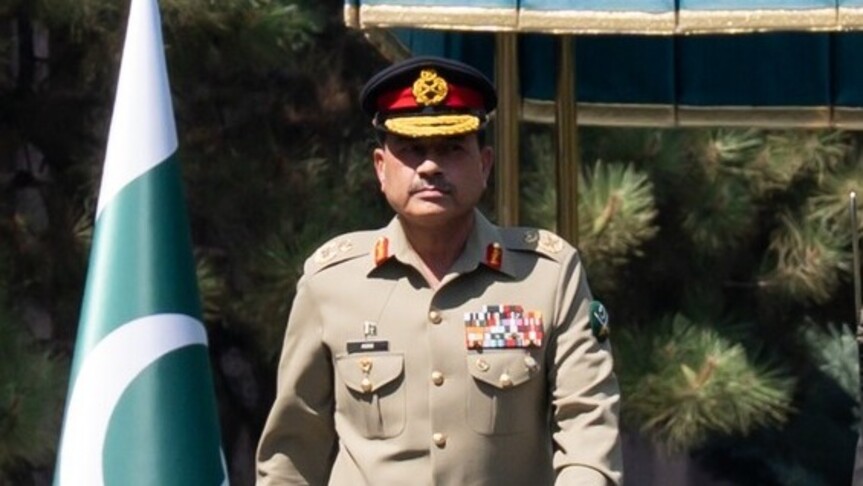
Pakistani Army Chief Visits Iran to Enhance Bilateral Relations
On a significant diplomatic mission, General Asim Munir, the Chief of Army Staff for Pakistan, traveled to Tehran, Iran, accompanied by a team of officials. This visit underscores the importance of enhancing collaboration between the two neighboring countries, particularly against the backdrop of ongoing regional tensions.
Strengthening Diplomatic Ties
According to reports from Iran’s Mehr News Agency, the focus of General Munir’s visit revolves around fortifying the ties between Pakistan and Iran. The Iranian Foreign Ministry’s spokesperson, Esmaeil Baqaei, elaborated that while some discussions could touch upon sensitive issues, the primary agenda is centered on fostering positive relationships and cooperation between the two nations. This approach reflects a mutual understanding of the necessity for collaboration, especially in areas of shared interest like security and trade.
Regional Stability and Cooperation
The backdrop of General Munir’s visit is marked by ongoing tensions between Iran and the United States. As these superpowers continue to grapple with unresolved diplomatic issues, the role of regional allies becomes increasingly critical. Pakistan has historically served as a mediator, seeking to ease the strain between Washington and Tehran. This role may be more vital than ever, as both countries navigate their contrasting political landscapes.
In this context, strengthening cooperation between Islamabad and Tehran is not merely symbolic but essential for maintaining regional stability. By emphasizing bilateral relations, both nations aim to create a framework for dialogue that could ultimately lead to a more stable environment in a region often beset by conflict.
The Importance of Collaborative Efforts
General Munir’s trip highlights the broader implications of cooperation for both Pakistan and Iran. The expansion of their relationship could lead to collaborative efforts in various fields, including economics, security, and counterterrorism. Such partnerships are essential for mitigating the effects of external pressures and fostering a sense of collective security in a volatile region.
While some may speculate about the potential for military messaging during this visit, Iran’s Foreign Ministry has reiterated that the discussions are primarily focused on fostering a collaborative spirit. This shift towards dialogue and partnership may serve as a model for other countries in the region, encouraging a more inclusive approach to diplomacy.
Conclusion: A Step Towards Greater Understanding
As General Asim Munir concludes his visit to Tehran, the implications for both Pakistan and Iran could be far-reaching. The emphasis on strengthening bilateral cooperation serves as a reminder of the importance of dialogue in resolving conflicts. In a time when tensions persist, the efforts made during this visit could pave the way for a more harmonious relationship between these two nations, thereby contributing to broader regional stability. By prioritizing cooperation over confrontation, both countries are taking crucial steps towards fostering a safer and more secure future.