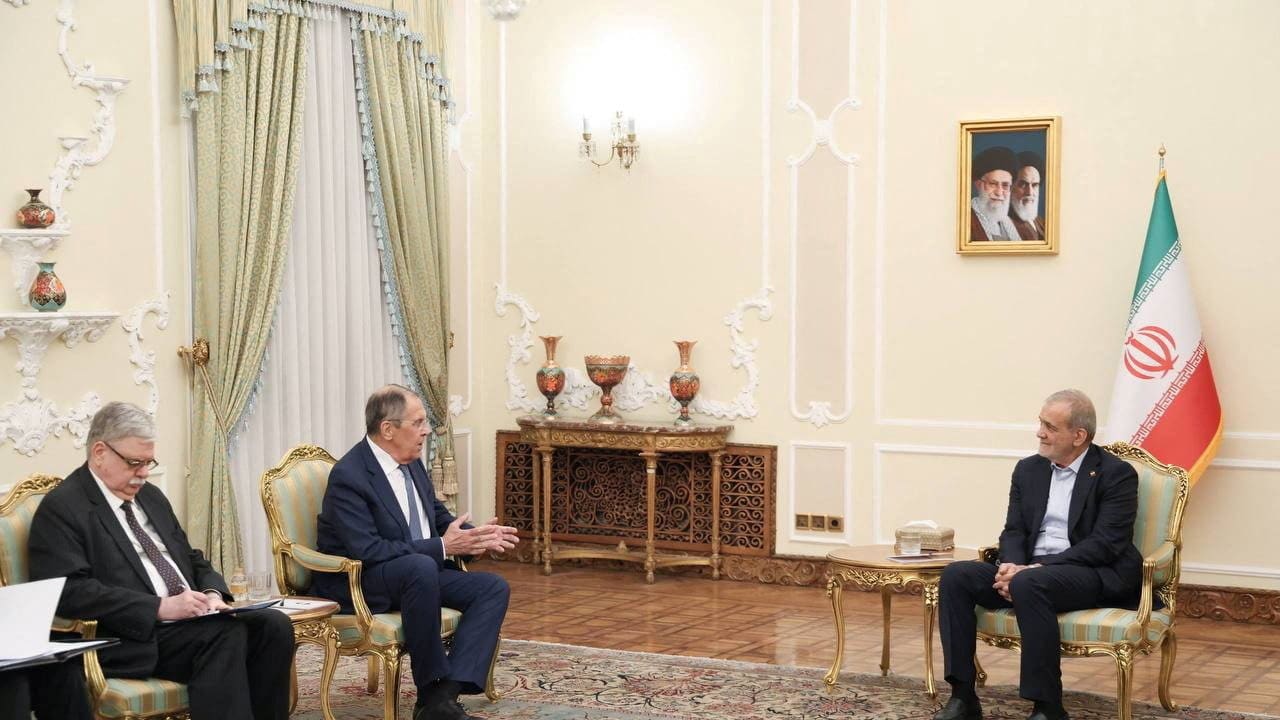
Iran-Russia Strengthen Ties Amid Global Tensions
This week marked a significant moment in diplomatic relations as Iranian President Masoud Pezeshkian engaged in discussions with Russian Foreign Minister Sergey Lavrov in Tehran. The meeting emphasized the ongoing commitment of Russia to its economic agreements with Iran, even in the face of challenging global events, further solidifying the partnership between the two nations.
Commitment in Difficult Times
During a press conference following their meeting, Lavrov reiterated Russia’s dedication to enhancing cooperation with Iran while navigating the intricate international landscape. The talks occurred against the backdrop of escalating tensions between the United States and Ukraine, with U.S. President Donald Trump voice increasingly critical remarks toward Ukrainian leader Volodymyr Zelensky. Washington seems intent on pressuring Ukraine to minimize attacks on Russian energy sites, further complicating the geopolitical dynamics.
The U.S. has also signaled a willingness to consider sanctions relief for Russia, creating an environment where both nations may feel emboldened. Trump’s notable endorsement of Israeli Prime Minister Benjamin Netanyahu suggests that American strategic partnerships are evolving, particularly as Russia and Iran seek a more significant role in regional conflicts.
Strategic Partnerships Evolving
The timing of Lavrov’s visit is particularly telling, following the U.S. Secretary of War’s recent trip to Israel and the visit of Pakistan’s army chief to Tehran. These high-level discussions indicate Iran’s emerging influence in regional affairs, as both Russia and Pakistan appear keen to establish stronger ties with Tehran. Here, the notion of Iran being at the forefront of regional developments becomes evident, while Russia is simultaneously maneuvering to redefine its position in global geopolitics.
Lavrov’s remarks on Iran’s “just cause” against U.S. and Israeli aggression highlight a shared narrative between Tehran and Moscow, suggesting a mutual pursuit of objectives that oppose U.S. influence. Such sentiments resonate deeply, particularly as both nations align on narratives aimed at countering perceived external threats and aggression.
Continued Economic Cooperation
Amid these discussions, Lavrov confirmed that Russia would adhere to existing economic agreements with Iran. Both nations view their partnership as part of a broader strategy to reshape international order and diminish U.S. hegemony established in the 1990s. Lavrov highlighted the importance of their comprehensive strategic partnership, established through a treaty that came into force last year.
Significantly, the conversations also touched upon ongoing cooperation in areas such as hydrocarbon extraction and Iran’s nuclear program. Russia is gradually restoring its specialized teams at the Bushehr nuclear facility, signaling a commitment to not only economic collaboration but also deeper technical cooperation.
The developments underscore that, despite external pressures and challenges, both Iran and Russia are eager to foster closer ties and pursue opportunities that could enhance their strategic positioning on the global stage. As tensions persist and new dynamics unfold, their partnership may play a pivotal role in future geopolitical shifts.
Both nations seem increasingly focused on leveraging their collaboration to navigate the intricacies of international relations, indicating a potential shift in power dynamics not just in the region, but across the globe. This evolving partnership stands as a statement against unilateralism, showcasing the willingness of nations like Iran and Russia to work closely together to counterbalance Western dominance.