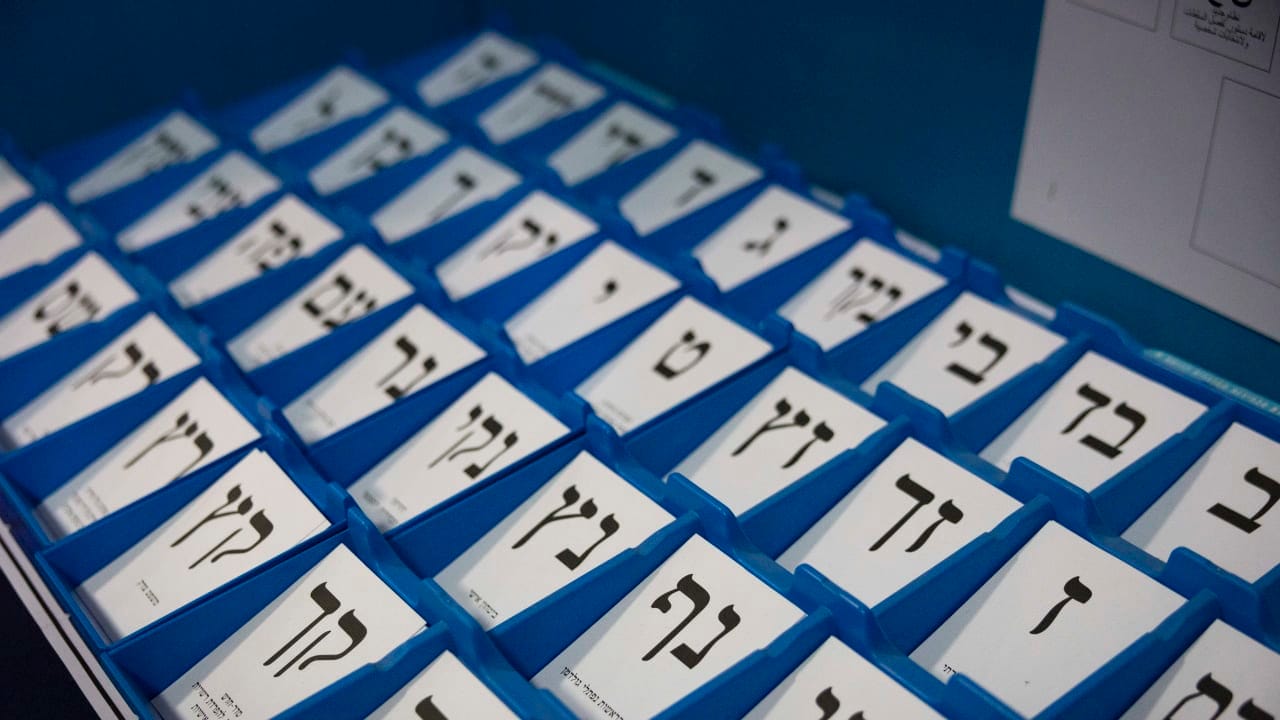
Navigating the voting process in Israel can be complex, with various parties, Hebrew ballot slips, and specific protocols. Here’s everything you need to know to successfully cast your vote on October 27.
Eligibility to Vote in Israel
To participate in Knesset elections, you must be an Israeli citizen aged 18 or older on election day. Additionally, you need to be registered on the electoral roll; a criminal conviction or temporary imprisonment does not disqualify you from voting, as special arrangements exist for inmates. Unlike many countries, citizens do not need to register separately; the electoral roll is derived from the National Population Registry, including new immigrants whose voting eligibility is contingent upon their registration status.
If you’re a new immigrant (or have recently made aliyah), it’s crucial to confirm that your name is on the electoral list. Don’t assume that possessing an Israeli identity card automatically grants you voting rights; check your status to avoid inconvenience on election day.
Polling Locations and Voting Hours
Polling stations will be established across Israel on October 27, while soldiers stationed in conflict areas like Gaza or Lebanon may vote at designated military sites starting from October 20. Soldiers must coordinate with their commanding officers for specific locations and times. For those serving within Israel, military polling stations will operate from 8 a.m. to 10 p.m. Regular polling stations for civilians will generally be open from 7 a.m. to 10 p.m., but in smaller communities with fewer than 350 eligible voters, hours may be limited from 8 a.m. to 8 p.m.
Individuals with limited mobility should verify if their assigned polling station is accessible; they may then vote at any designated accessible station. Polling opportunities will also be provided in hospitals, enabling eligible patients to vote when they present proper identification and are not in day hospital care on election day.
Essential Identification for Voting
When heading to the polls, bring an accepted form of identification. This can include an Israeli identity card, a valid passport, or a driver’s license with a photo. Soldiers can also use their military ID for identification. While expired identity cards can be accepted for voting, it’s essential that passports and driver’s licenses are current. Ensure that your identification photo is clear and recognizable to facilitate a smooth voting experience.
Candidates will cast their votes anonymously. Inside the voting booth, you’ll place your chosen slip into a provided envelope. Missteps like including multiple slips or using an external envelope can disqualify your vote, so be meticulous about following the rules. Blank slips are permitted when the identifying letters of the party are written correctly.
Understanding the Voting Process
When you arrive at your polling station, present your ID for verification. Polling staff will confirm your identity against their records before giving you a blue envelope for your vote. The voting process in Israel is straightforward and designed to maintain voter confidentiality; you will select your party’s slip behind a screen and put it into the envelope before submitting it into the ballot box.
After voting concludes and polls close, the counting process begins to allocate the 120 Knesset seats. To gain representation, a party must receive at least 3.25% of the overall valid votes. Any votes below this threshold will not contribute to the allocation of seats, ensuring a fair representation based on voter preferences.