
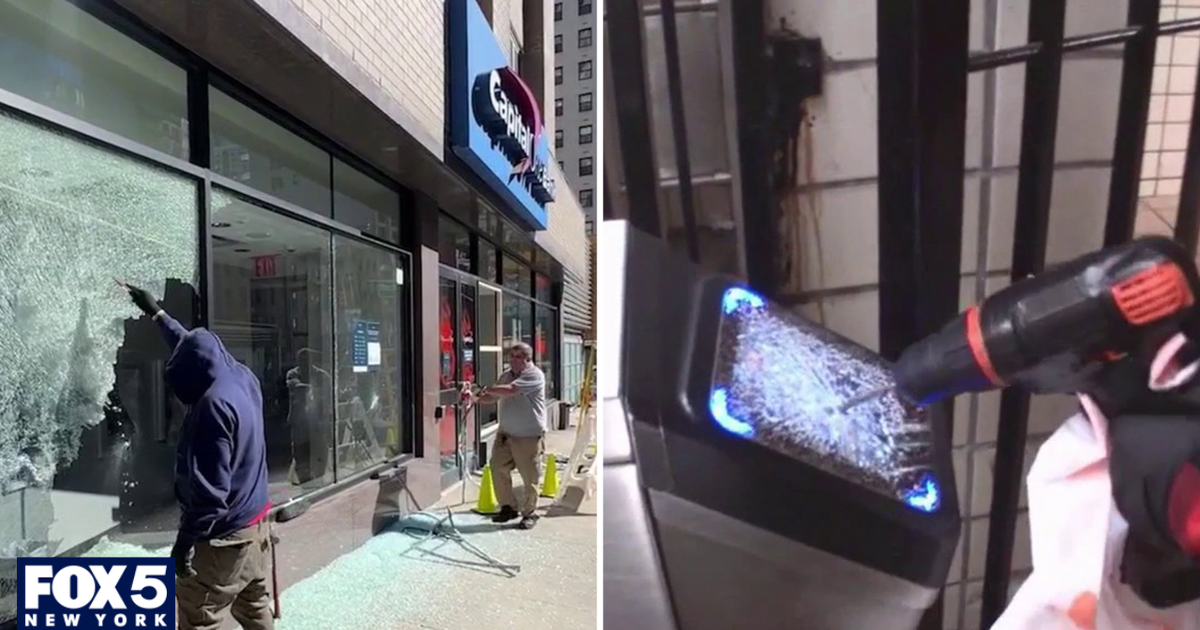
In recent days, New York City has seen a rise in vandalism linked to tensions surrounding the Israeli-Palestinian conflict. This includes acts of graffiti targeting pro-Israel entities and acts of destruction aimed at public transit systems. The ongoing investigations shed light on the motivations behind these actions while raising important questions about safety and community response.
Vandalism at Capital One Bank
The NYPD is currently investigating an incident of vandalism that occurred at a Capital One branch on the Upper East Side. Early on Monday morning, officers responded to reports of damage where storefront windows were shattered and graffiti was spray-painted across the front doors. The markings included references to a pro-Palestinian organization and an Israeli arms manufacturer, seemingly tying the bank to these contentious issues. Investigators are looking into whether this incident qualifies as a hate crime, given the inflammatory nature of the graffiti.
Local officials have expressed their outrage over the incident. City Council Speaker Julie Menin described the vandalism as “unacceptable” and has called for swift action in the ongoing inquiry. On a live segment of “Good Day New York,” Menin emphasized the need for a thorough investigation into the motivations that led to such defacement, particularly considering its implications for community cohesion.
Destruction of OMNY Tap-and-Go Readers
In a separate incident, videos emerged showing vandals using power tools to dismantle OMNY tap-and-go readers at a subway station in Brooklyn. This act of vandalism occurred last week at the Church Avenue station in Flatbush. Flyers at the scene indicated dissatisfaction with fare increases and suggested that the OMNY system surveils riders, criticizing its parent company for alleged connections to the Israeli military.
The Metropolitan Transportation Authority (MTA) has responded quickly, replacing the destroyed readers. However, the connection between these events and whether they are part of a larger pattern of targeted vandalism remains unclear. The NYPD is investigating potential links between the anti-Israel graffiti at the bank and the destruction of the OMNY devices, but no concrete evidence has yet been presented.
Community Reactions and Safety Concerns
The recent acts of vandalism have heightened community tensions, particularly among those who feel threatened by hate-fueled violence. Many residents are calling for more significant protective measures, both against these acts of vandalism and to foster understanding among diverse community groups. Community leaders are urging open dialogue to address the underlying issues that may be contributing to such aggressive expressions of dissent.
Furthermore, how law enforcement manages these incidents is under scrutiny. The ongoing investigations are vital for both vindication and community assurance that crime—especially hate-related acts—will not be tolerated. While the motivations behind these actions can stem from legitimate grievances, how they are expressed and addressed is critical to the fabric of New York City’s diverse population.
In conclusion, as investigations continue, it remains essential for community members, officials, and law enforcement to collaborate on finding solutions that foster understanding rather than division. Balancing free expression with the need for safety and respect for all communities should be the priority as the city navigates these challenging times.