
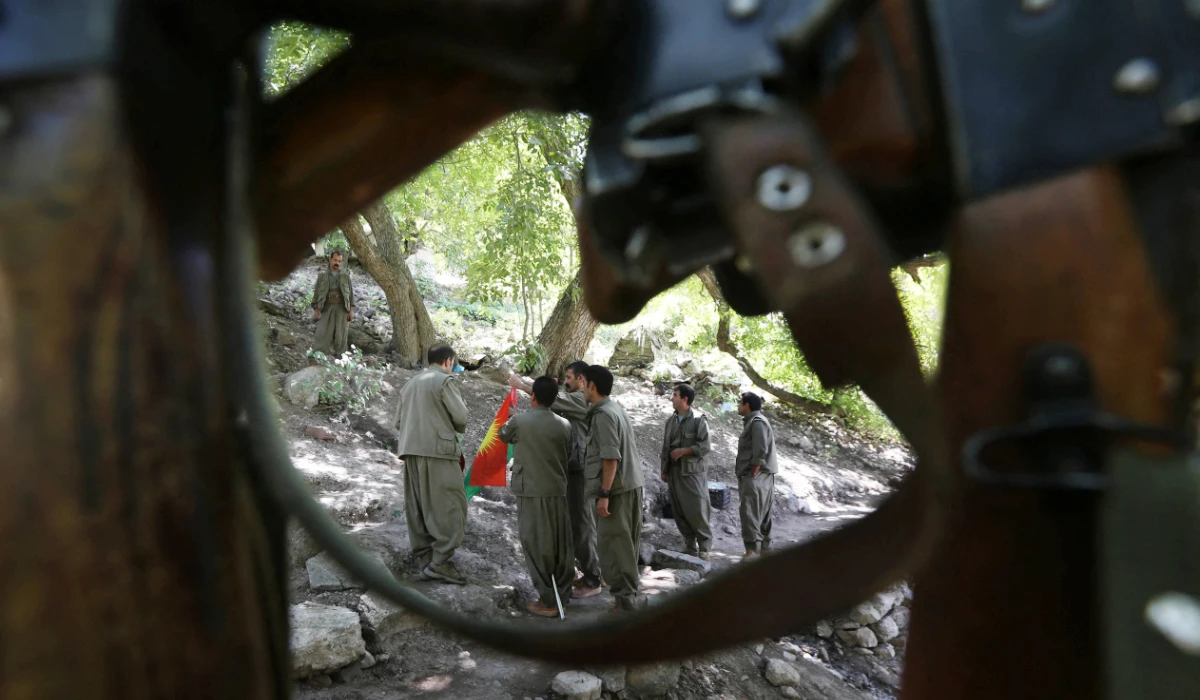
Iran has recently announced that Iraq will begin the process of expelling exiled Kurdish opposition groups from its territory. This development highlights increasing tensions in the region and brings to the forefront the complex relationship between Iran and various Kurdish factions. This issue carries significant implications for regional stability, international relations, and the ongoing struggles of Kurdish political movements.
Background of Kurdish Opposition Groups
Kurdish opposition groups, particularly the ones based in Iraq, have long been a thorn in Iran’s side. These factions, primarily the Kurdistan Workers’ Party (PKK) and the Democratic Party of Iranian Kurdistan (PDKI), have established footholds in the northern regions of Iraq. Their presence has been a source of tension between the Iranian government and the Iraqi authorities, as Iran views these groups as terrorist organizations that threaten its national security. This situation complicates Iraq’s political landscape, balancing its relations with both Iran and the Kurdish populace.
Recent Developments
Following Iran’s demand, Iraqi officials have confirmed that a plan is underway to remove these Kurdish opposition groups from their territory. This decision stems from increasing pressure from Tehran, which has consistently accused these factions of conducting cross-border attacks on Iranian soil. In recent years, Iran has conducted military operations against these groups, raising concerns about sovereignty and the potential for escalating violence in Iraq. The Iraqi government faces the challenge of appeasing its powerful neighbor while also sustaining its Kurdish population’s support.
Reactions from the Kurdish Community
The Kurdish community has expressed deep apprehension regarding the expulsion of these opposition groups. Many Kurds fear that this action could lead to further repression and endanger their rights in both Iraq and Iran. The Kurdish people have historically sought autonomy and recognition, and the Iranian government’s aggressive stance against these factions threatens to exacerbate existing tensions. Conversations within the Kurdish community are increasingly focused on finding ways to cooperate among themselves in the face of external pressures.
Implications for Regional Relations
The expulsion of Kurdish opposition members from Iraq raises several implications for regional dynamics. Iran’s increasing influence in Iraqi affairs poses a dilemma for Western powers who are invested in ensuring stability in the region. Additionally, if these opposition groups lose their foothold in Iraq, they may seek other ways to organize and resist Iranian control, potentially leading to instability in neighboring countries. The evolving situation will require careful monitoring as it unfolds, especially given the delicate balance between Kurdish aspirations and state interests in the region.
As this situation develops, the focus on Kurdish issues will likely intensify. International observers must pay close attention to not only the political implications but also the humanitarian concerns that arise from potential conflicts between state and ethnic group aspirations. The Kurdish community’s response to the Iranian-Iraqi dynamics will be crucial in shaping the future landscape of Kurdish activism and rights in the Middle East.
In summary, Iran’s initiative for Iraq to expel Kurdish opposition members signals a significant chapter in regional relations, highlighting the intertwined fate of Iraq and Iran while also calling attention to the vulnerabilities faced by the Kurdish people. As conflicts and partnerships continue to evolve, the regional implications could have lasting impacts on stability and ethnic rights across the area.