
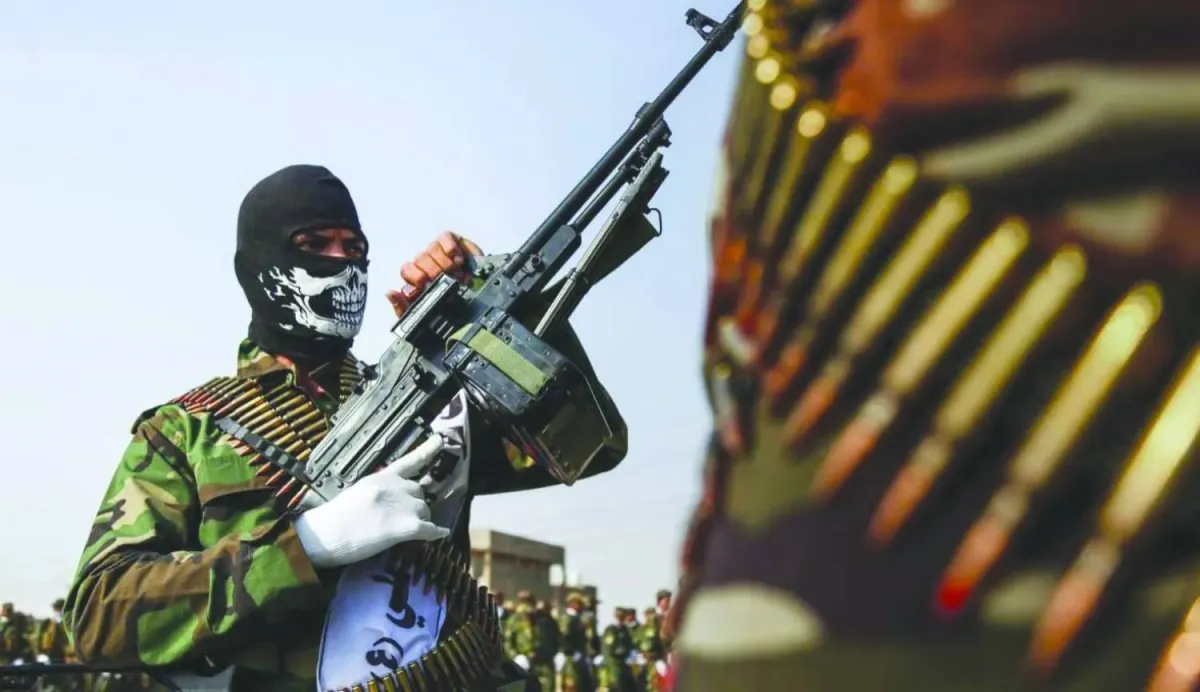
Iraq is facing a significant crossroads as its government and parliament announce a crackdown on those opposing a new disarmament initiative. This move aims to consolidate state control over all weapons, coinciding with Türkiye’s refusal to withdraw its troops from Iraqi territory until security conditions are met. The fusion of these issues presents a complex scenario for Iraq, deeply rooted in its political landscape and regional dynamics.
Iraq’s Disarmament Initiative
Baghdad’s disarmament plan will be officially enacted after the exit of international coalition forces, which adds a layer of urgency to the initiative. The ruling Coordination Framework alliance is determined to address the challenge of weapons outside state control by a self-imposed deadline of June 30, 2027. In a recent statement, the ruling coalition authorized the government to take necessary measures to ensure compliance with these goals. This renewed focus on disarmament aligns with the formation of a new government that includes several political factions known for their armed wings, such as Asaib Ahl al-Haq, which holds a key ministerial position, intensifying concerns regarding the involvement of armed groups in governance.
Government’s Legal Threats
The Iraqi government has taken a stern stance, threatening legal repercussions against anyone who incites opposition to the disarmament plan through various media channels. The prime minister’s office emphasized the need for freedom of expression to align with legal constraints and public order. The administration has signaled that inciting violence or resisting the government’s authority regarding weapons control will not be tolerated. This directive appears aimed at specific factions, including Kataib Hezbollah, which has been vocal in its opposition to disarmament efforts and has consistently criticized Prime Minister Ali al-Zaidi.
Parliament’s Endorsement of the Crackdown
Parliament Speaker Haibat al-Halbousi has shown firm support for the government’s measures, viewing them as essential for maintaining civil harmony and enforcing the rule of law. Halbousi underscored the importance of balancing constitutionally protected rights of free speech with the responsibility to uphold public safety and national security. His commitment to holding accountable those who incite violence reflects an increasing consensus among Iraqi lawmakers that any campaign against weapons must also effectively address potential unrest fueled by dissenting voices.
Security Forces Heighten Vigilance
Iraq’s security apparatus is ramping up its monitoring of incitement and opposition activities. According to Saad Maan, head of the Security Media Cell, specialized military units are vigilantly assessing threats related to the disarmament initiative. While freedom of expression remains protected under the constitution, the government insists that such rights do not extend to activities that disrupt societal order. Maan has clarified that any enforcement actions will adhere strictly to judicial oversight, emphasizing that the government remains committed to addressing unrest while upholding legal standards.
In conclusion, Iraq is navigating a precarious landscape where the government seeks to assert control over its armed factions while facing ongoing challenges from both internal political dynamics and external influences, notably from Türkiye. As the nation grapples with these multifaceted issues, the success of its disarmament plan will depend not only on the government’s resolve but also on its ability to manage dissent and foster a secure environment for all citizens.