
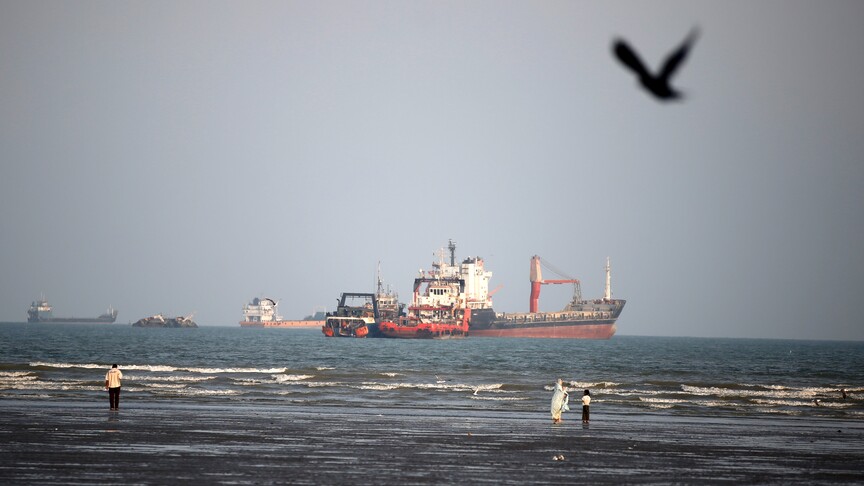
On October 20, 2026, a significant incident occurred in the Strait of Hormuz when a supertanker carrying over 2 million barrels of crude oil exploded after striking a naval mine. This event has raised concerns about maritime safety in this vital shipping route, underscoring the complex geopolitical tensions in the region.
Incident Overview
According to reports from the Iranian Islamic Revolutionary Guard Corps (IRGC), the supertanker was violating maritime regulations when it encountered the naval mine. The IRGC claimed the vessel had switched off all its radar and navigation systems, which likely contributed to the mishap. Ignoring explicit warnings from the IRGC, the tanker attempted to navigate an unauthorized southern route in the Strait, leading to its dramatic explosion.
Details surrounding the incident, including the vessel’s identity, flag, crew, and potential casualties, remain undisclosed. The naval authorities have emphasized that ship owners and crew members in the Gulf and the Sea of Oman must be vigilant when transiting through this strategically important area.
Geopolitical Implications
The Strait of Hormuz is a crucial artery for global oil shipments, and any disruptions here can have far-reaching effects on international energy markets and regional stability. The explosion of the supertanker has reignited fears of escalating tensions in an area already fraught with conflict. The IRGC’s stern warning indicates that any future violations of navigation protocols, particularly those risking the security of the strait, will be met with severe consequences.
Such incidents not only threaten maritime safety but can also provoke retaliatory measures from various stakeholders in the region. As tensions between Iran and other nations continue to simmer, securing safe passage through pivotal maritime routes becomes increasingly vital to ensure the free flow of commerce and oil.
Future of Maritime Safety
The recent incident serves as a reminder of the importance of adhering to established maritime laws. Vessel operators must take comprehensive precautions to ensure that their ships comply with navigational rules, especially in sensitive areas like the Strait of Hormuz. Failure to do so risks not only financial loss but also human lives and ongoing regional stability.
Furthermore, international maritime organizations may need to review and enhance existing protocols to improve safety and security in high-risk zones. As geopolitical tensions persist, the maritime community must remain vigilant, working collaboratively to avoid future tragedies on the high seas.
In conclusion, the explosion of the supertanker in the Strait of Hormuz has underscored the fragility of maritime security in a region marked by complex geopolitical dynamics. It highlights the need for strict adherence to navigation regulations and international cooperation to safeguard vital shipping lanes crucial for global trade.