
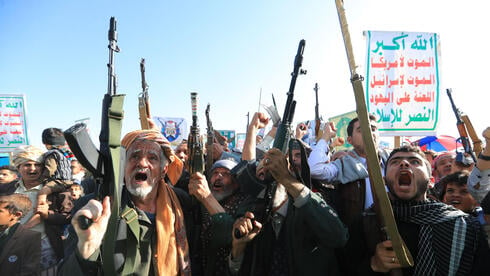
The Houthi movement, officially termed Ansar Allah, is a complex entity whose rise is deeply rooted in Yemen’s domestic affairs, religious dynamics, and regional power struggles. While Iran’s influence cannot be entirely dismissed, it does not solely account for the group’s emergence. The policies of Saudi Arabia, particularly from 2015 onwards, have been instrumental in shaping the environment in which the Houthis flourished, enabling them to capitalize on grievances while maintaining their military capabilities.
Saudi Arabia’s Role in Yemen’s Religious Landscape
For years, Riyadh treated Yemen as a strategic buffer, employing religious outreach as a diplomatic tool. The expansion of Saudi-backed Salafi institutions into regions with deep Zaydi Islamic traditions heightened fears regarding identity and authority, thus exacerbating political tensions. The establishment of Dar al-Hadith in Dammaj around 1980 significantly advanced the spread of Salafism in Saada, financed by Saudi initiatives. This center drew students from both Yemen and abroad, creating a sense of threat among Zaydi communities who saw their traditions undermined. While Saudi policy was not the sole cause, it undeniably intensified the competition, morphing it into a wide-ranging political issue.
The Emergence of the Houthi Movement
The Believing Youth movement, which emerged during this turbulent backdrop, was initially aimed at religious education and cultural revival. Founded in 1992 by Zaydi clerics and later led by Hussein Badreddin al-Houthi, the movement gradually shifted focus toward political engagement. Thus, it began to resonate with locals not just because of opposition to Saudi influence but also due to widespread dissatisfaction with the state and President Ali Abdullah Saleh’s regime. Some Zaydis initially resisted the Houthis, but the broader political landscape shifted, allowing the movement to grow through strategic alliances.
Conflict escalated in 2004 when the Yemeni government launched military operations against Hussein al-Houthi and his followers, leading to several cycles of violence that continued until 2010. Despite these campaigns, the Houthis managed to redefine themselves as defenders of marginalized communities, thereby ensuring their continuing relevance even after Hussein’s death. His brother, Abdul-Malik al-Houthi, stepped up as the new leader, further solidifying the movement’s position.
The 2015 Saudi Intervention and Its Aftermath
The regional dynamics shifted dramatically in March 2015 when the Houthis seized control of Sanaa, leading Saudi Arabia to initiate Operation Decisive Storm, aiming to restore the internationally recognized government. The Saudi-led coalition heavily relied on airpower and international military support, yet this approach did not yield the anticipated political solutions. Instead, the intervention transformed a complex local insurgency into a prolonged military engagement, worsening Yemen’s humanitarian crisis through extensive destruction of infrastructure and exacerbating economic hardships.
While the Houthis faced international condemnation for their authoritarian practices, the narrative of resistance against foreign aggression became a crucial part of their strategy. This allowed them to frame their actions as a defense of Yemen’s sovereignty, while gaining access to resources, experience, and battle knowledge that further broadened their capabilities.
Shifting Alliances and the Path Ahead
As of the early 2020s, economic difficulties prompted Saudi Arabia to pursue diplomatic avenues toward de-escalation, aided by Omani mediation. Talks in 2023 have opened dialogue between the Houthis and Riyadh, yet any lasting peace remains precarious in the absence of a comprehensive settlement that addresses Yemen’s multifaceted power struggles. The enduring conflict highlights the limitations of military solutions and emphasizes the necessity for political strategies that consider local dynamics.
Ultimately, the Houthis were not a product of Iranian engineering but rather a local response to a myriad of complex issues. The Houthi movement evolved from Yemen’s unique circumstances, and Saudi Arabia’s interventions inadvertently allowed this once marginalized group to rise to prominence. For lasting peace to be achieved, a concerted effort must be made to address governance and security within Yemen while also engaging local stakeholders in a sustainable political process.