
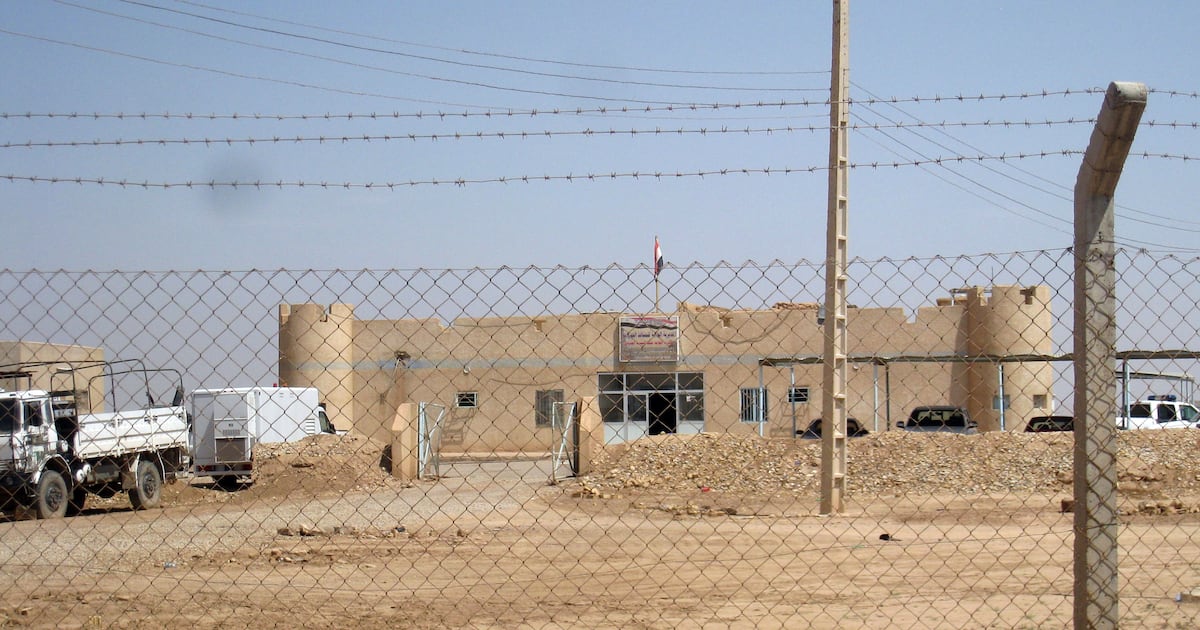
Iraq’s recent decision to shut down the Al Sheeb border crossing with Iran has significant implications for trade and security. This closure, which began at 6 AM local time on Wednesday, was confirmed by a government official and is set to remain in effect until further notice.
Reasons Behind the Closure
The primary motivation for this action stems from a directive issued by Prime Minister Ali Al Zaidi. The government aims to reassess the security protocols surrounding the crossing. According to an official source, the closure seeks to enhance the security measures in place and address concerns related to smuggling activities. A border official further elaborated that the government is focusing on installing advanced detection technology that will help curb the smuggling of prohibited items.
Significance of the Al Sheeb Crossing
Situated in the southeastern Maysan province, the Al Sheeb crossing is one of the critical commercial lifelines between Iraq and Iran. It plays a vital role in transporting essential goods, including food and construction materials, and is frequently used by Iranian pilgrims traveling to sacred locations in Najaf and Karbala. The closure is particularly alarming as it may have extensive repercussions for local economies dependent on this trade.
Potential for Further Closures
As part of a broader strategy, other border crossings with Iran might also face gradual closures. If crossings such as Shalamcheh, Zurbatiyah, and Mandali are shut, the disruption to Iraq-Iran trade could be considerable. Last year, this trade was valued at over $10 billion, making it a significant aspect of Iraq’s economy. The temporary closure of the Shalamcheh border last September serves as a reminder of past security concerns, which were prompted by drone attacks on Saudi Arabia.
Economic and Political Ramifications
The implications of the Al Sheeb closure are not limited to just security; they might lead to volatility in market prices for essential items. Fresh produce and Iranian construction materials, which are prevalent in southern markets, could see price spikes. Additionally, the decision is likely to provoke dissent from pro-Iran political factions. Critics argue that the closure enforces U.S. sanctions and negatively impacts border provinces reliant on trade with Iran. Supporters of the move contend that Iraq must secure its borders and diversify its sources of imports.
As of now, the Prime Minister’s office has not released a formal statement detailing the closure’s scope or duration, leaving many questions unanswered. Meanwhile, there has been no official response from Iranian authorities regarding this situation. The closure of Al Sheeb may well herald a shift in Iraq’s trade dynamics and its complex relationships within the region.