
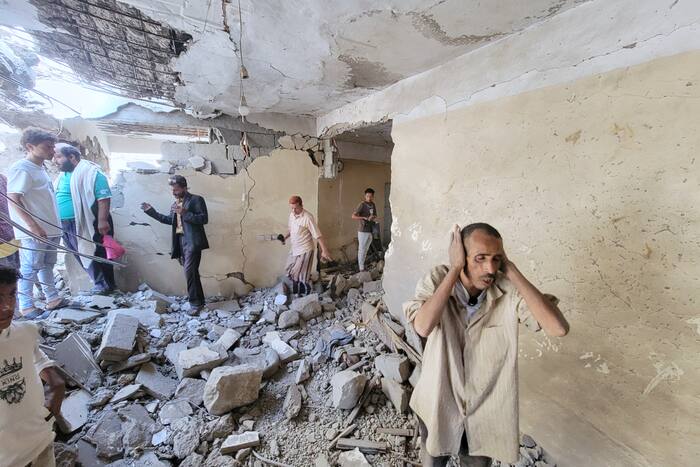
The recent escalation of tensions in the Middle East has led to a series of significant events impacting both air travel and maritime safety. As conflicts continue to unfold, particularly involving Houthi forces and Saudi Arabia, updates on the situation reveal the ongoing challenges faced by the region.
Reopening of Riyadh’s Airport amid Houthi Attacks
Riyadh’s King Khalid International Airport has resumed limited operations following a series of Houthi attacks earlier this month. On Wednesday, only Saudi airlines, including Saudia and FlyNas, were active, with operations having been halted on October 10 due to increased danger. Major international carriers like Lufthansa and Air France have suspended flights indefinitely, showing the extent to which the conflict has affected global travel routes. The Houthi rebels recently claimed responsibility for the assaults on the airport, alleging that military supplies were being moved through the facility to support Saudi forces, a claim lacking verified evidence. The sustained reduction in air traffic raises concerns about the potential long-term economic repercussions for Saudi Arabia.
Maritime Security Concerns in the Persian Gulf
In addition to air travel disruptions, maritime activities are also under threat. The United Kingdom’s Maritime Trade Organization reported a recent incident where a projectile struck a tanker off the coast of Oman, igniting a fire onboard. Fortunately, the crew remained safe, and the blaze was promptly extinguished. This incident exemplifies the increasing risks faced by vessels in the region, particularly near the Strait of Hormuz, where tensions have been heightened by ongoing conflicts and the US-Iran situation. As shipping routes become perilous, stakeholders must navigate not just commercial considerations but also the necessity for enhanced security measures.
Escalating Military Engagements and Responses
Saudi Arabia remains on high alert as the situation intensifies. On the same day, Saudi-led coalition forces reported intercepting five Houthi drones aimed at the city of Medina. This marks another escalation since fighting resumed in July, with the Houthis targeting various locations within Saudi Arabia, including critical infrastructure like oil facilities and airports. Conversely, Saudi coalition forces have retaliated by targeting Houthi positions across Yemen, including airstrikes in the rebel-held capital of Sanaa. The cycle of attacks continues to escalate, indicating a deepening conflict with no immediate resolution in sight.
Efforts to Cut Off Houthi Financing
In a strategic move to undermine the Houthi rebels’ financial resources, Yemen’s internationally recognized government has expanded its terrorist financing list to include 135 individuals and entities. This significant step aims to disrupt the financial networks supporting the Houthis, with officials calling for international collaboration in this effort. Notably, the list includes banks and companies allegedly linked with smuggling oil for the Houthis, a critical revenue source for the rebel group. The Yemeni government emphasizes the importance of global cooperation in curbing financing networks that sustain the ongoing conflict.
As the situation in the Middle East continues to develop, the interplay between military actions, economic consequences, and international responses remains fluid. The combination of Houthi assaults on both air and maritime operations highlights the broad implications of regional instability, underscoring the need for a diplomatic approach to secure peace and restore safety in crucial trade and travel corridors.