
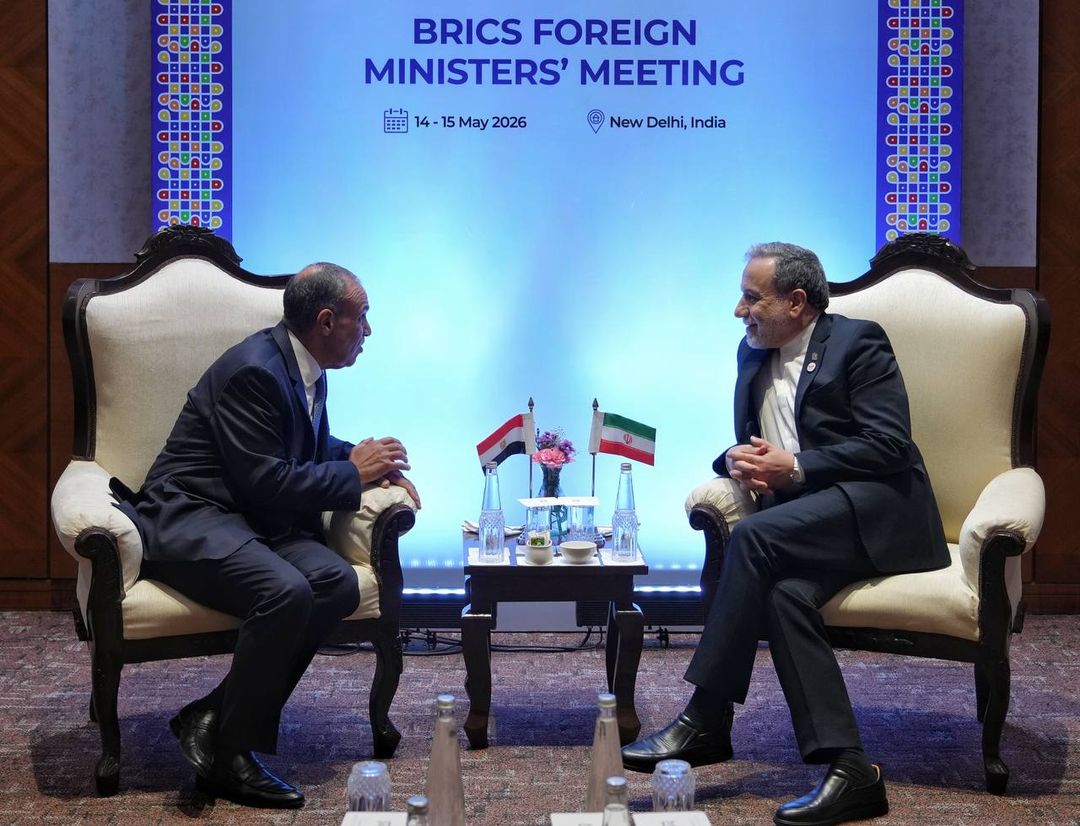
Iran’s Foreign Minister, Abbas Araghchi, has cautioned against foreign intervention in the ongoing Yemen conflict, particularly from Egypt. Araghchi emphasized that such interference would complicate an already intricate situation, even while Egyptian President Abdel Fattah el-Sisi affirmed that Egypt’s involvement is solely focused on defending Saudi territory rather than participating in offensive operations within Yemen.
The Complexity of the Yemen Conflict
In a discussion with Iraqi state broadcaster Al-Iraqiya, Araghchi expressed concern that any involvement by external nations, including Egypt, could hinder efforts to resolve the Yemen crisis. He noted that Egypt has assured it will not engage militarily in Yemen or initiate war against the nation. This sentiment reflects a growing apprehension among regional powers regarding how foreign actions can escalate conflicts and further destabilize the area.
Egypt’s Stance on Military Involvement
President el-Sisi also reiterated Egypt’s position on military support for Saudi Arabia, clarifying that the focus remains on territorial defense. “The Egyptian military effort is intended to protect Saudi Arabia’s borders and does not involve launching attacks on Yemen,” he stated. This reinforces Cairo’s intention to limit its involvement to defensive measures rather than offensive military actions, which could draw Egypt deeper into the quagmire of the Yemen conflict.
Legislative Developments and Regional Tensions
On the legislative front, the Egyptian parliament has delayed a vote regarding the authorization of potential military support for Saudi Arabia. The decision has been rescheduled for October 26, amid rising regional security concerns. Sisi has urged lawmakers to consider approving military assistance if the Kingdom formally requests it, responding to the increasing threats posed by Houthi attacks against Saudi Arabia.
As the situation continues to evolve, both Iran and Egypt exhibit caution in their respective approaches. Araghchi’s warnings reflect a broader concern about the implications of foreign military involvement, while el-Sisi’s focus on defensive capabilities highlights Egypt’s strategic constraints. The unfolding dynamics illustrate the delicate balance regional leaders must strike as they navigate the complexities of international relations, sovereignty, and regional security.
In conclusion, the Yemen conflict remains a focal point of tension, with the potential for escalation magnified by external actors’ involvement. As Egypt reaffirms its limited military role, other nations must carefully consider the repercussions of their actions in this fraught landscape. The anticipated legislative discussions set for late October will signal how Egypt plans to align itself within this contentious narrative while addressing its own national security interests.