
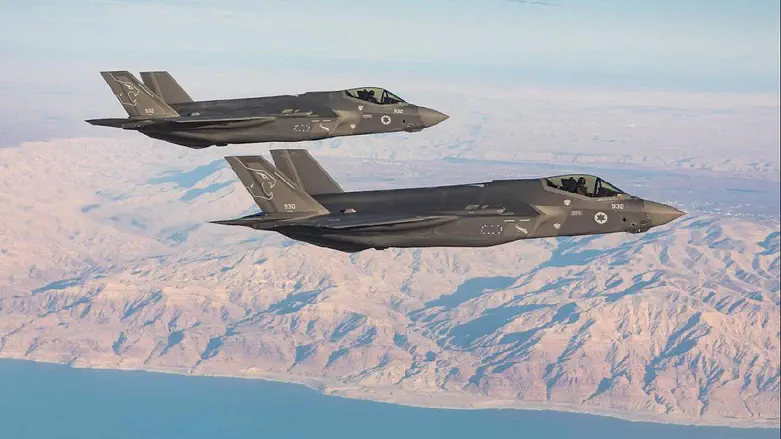
On Monday, the Israeli Air Force executed a significant demonstration of military capability near the Iranian border, as reported by Axios correspondent Barak Ravid. This operation comprised numerous Israeli aircraft, operating approximately 800 miles away from Israel’s territorial limits.
Training and Power Projection
Sources familiar with the operation indicated that this military exercise was not out of the ordinary. It was characterized as both a training maneuver and a means of showing military strength without engaging in direct hostilities. Importantly, the U.S. was made aware of this operation prior to its commencement, which underscores the importance of diplomacy and military transparency in the region.
Speculation from American intelligence suggested that the Israeli government aimed for a provocative response from the Iranian forces. The idea was that any hostile action taken by Iran against Israeli aircraft could provide justification for a retaliatory military strike, aligning with Israel’s broader defensive and strategic interests in the region.
Plans for Potential Military Action Against Iran
This report came shortly after another by the Financial Times, which revealed that Israeli Prime Minister Benjamin Netanyahu had ordered the Israeli Defense Forces (IDF) to prepare for a substantial military intervention against Iran during the weekend of October 10. However, this operation was delayed following objections from U.S. President Donald Trump.
Details from various sources indicated that the IDF’s preparations included an extensive bombing campaign that aimed to target not only nuclear facilities but also power plants and elements of civilian infrastructure related to the Iranian regime. The planned offensive was anticipated to surpass the scale of the joint military action conducted by Israel and the U.S. in February, signifying an escalation of military preparedness.
The Influence of Domestic Politics
One critical reason cited for the postponement of the military action was Trump’s apprehension about restarting conflict before the U.S. midterm elections on November 3. Concerns over the implications of a military escalation on the economy and energy prices significantly influenced this decision. The President faced mounting political pressure domestically, making him wary of any actions that could further complicate the political landscape in the lead-up to the elections.
Despite the current halt in military planning, both Netanyahu and Trump have continued to communicate the potential for future military action against Iran. A source close to the discussions reported that the option for Israel and the U.S. to renew strikes over the coming weeks remains viable. This dual approach of the Israeli leadership indicates a lingering tension in negotiations with Iran.
Future Outlook: Diplomacy or Military Action?
As tensions continue to rise, the looming question remains: will diplomatic efforts prevail or will conflict ensue? One source elaborated on this dilemma, stating, “Either there will be a deal, or there will be an attack.” The Trump administration is reportedly keen on negotiating a comprehensive agreement with Iran concerning its nuclear ambitions and maintaining control over the strategic Strait of Hormuz, intending this as part of a broader peace arrangement to conclude ongoing hostilities.
In this uncertain landscape, the forthcoming weeks will be critical for both Israeli and American relations with Iran, highlighting the interconnection of military readiness, diplomacy, and electoral politics.