
The ongoing conflict in Iran has been spanning nearly four months, evoking unsettling parallels with previous U.S. military involvements in Iraq, Afghanistan, and Vietnam. Initially, predictions of a protracted conflict seemed overstated, but the dire humanitarian, economic, and geopolitical ramifications are beginning to mirror those past experiences. As the situation unfolds, it raises a crucial question: who will intervene to halt President Donald Trump’s escalating aggression?
The Dilemma Facing Trump
President Trump finds himself in a precarious situation, a product of his own making, particularly with advice from figures like Israeli Prime Minister Benjamin Netanyahu. He faces two unappealing options: either ramp up military operations against Iran, risking war crimes and further international isolation, or negotiate a settlement that could be perceived as a significant retreat from his earlier ambitions, including the dismantling of Iran’s nuclear program. Each alternative presents significant challenges, leaving Trump trapped between an aggressive military stance and a potentially embarrassing diplomatic compromise.
Importantly, military action against Iran is unlikely to yield the intended results. Many of Iran’s missile capabilities remain intact, and escalating violence may only reinforce the country’s resolve rather than subdue it. Additionally, U.S. allies in the Gulf region express profound concerns about the ramifications of increased conflict, fearing Iranian retaliation. Moreover, the American populace is increasingly apprehensive about further military engagement in the Middle East.
The Global Fallout
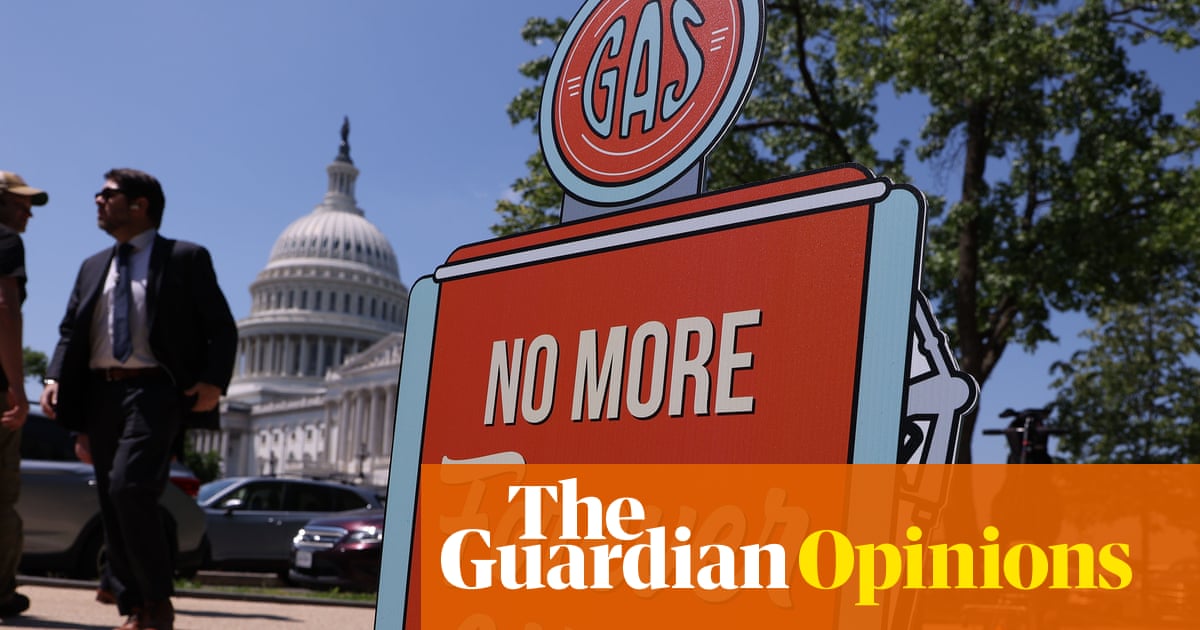
The implications of Trump’s actions extend far beyond Iran. Developing nations are already experiencing catastrophic economic effects, with essential food prices soaring and fears of widespread famine looming. The World Food Program has warned that millions may face acute hunger if the conflict continues. The economic strain is also palpable in wealthier nations, where energy and commodity prices rise steeply, resulting in a “Trump war tax” on everyday citizens.
Politically, the U.S. appears increasingly isolated, with traditional allies beginning to reassess their partnerships. Relations with European nations are deteriorating, and countries in the Gulf are reevaluating their ties with Washington. Meanwhile, Russia stands to benefit from decreased sanctions, further tilting the global balance of power. The uncertainty surrounding U.S. foreign policy signals a troubling time for international relations.
Taking Action Against Aggression
The scale of the crisis necessitates immediate and coordinated action from other nations. Diplomatic entities like the EU, G20, and the African Union must unite to address the ongoing conflict, emphasizing the need for peaceful resolutions and financial sanctions against U.S. aggression. It is imperative for leaders to leverage their collective power during upcoming summits to convey that the continuation of hostilities is unacceptable.
Furthermore, citizens in the U.S. must play a crucial role in challenging this unauthorized military engagement. With public sentiment largely disapproving of the conflict, ongoing congressional efforts aim to limit Trump’s military actions. Upcoming elections present an opportunity to hold accountable those complicit in perpetuating this war.
The current global crisis, epitomized by Trump’s irrational approach to foreign policy, is a reflection of a larger, unsettling trend. Unless concrete actions are taken to rein in such aggressive tactics, the ramifications will likely extend well beyond Iran, impacting nations worldwide. It is urgent and essential that the international community intervene to mitigate the fallout of Trump’s reckless behavior.