
The ongoing conflict between Israel and Hamas has reached another critical juncture, with significant accusations being exchanged and a fragile ceasefire hanging in the balance. Recent statements from the Board of Peace have ignited further tensions, as the organization’s high representative for Gaza, Nickolay Mladenov, has laid blame squarely on Hamas for hindering the peace process. Critics argue that this one-sided approach threatens the stability of the region and may even lead to renewed violence.
Accusations and Responses
Mladenov asserted that Hamas poses a substantial barrier to peace efforts, claiming that the group has repudiated necessary steps such as verified disarmament and relinquishing coercive control over Gaza. In a recent briefing to the UN Security Council, he described the group’s actions as detrimental to the ongoing implementation of the ceasefire agreement. However, Hamas has vehemently rejected these accusations, stating that they merely reflect an Israeli perspective aimed at justifying further escalation of military action.
Opponents of the Board of Peace, launched by former President Trump, have criticized Mladenov’s report as misrepresenting the situation. They argue that although Hamas has its faults, the Israeli government has been the principal violator of the ceasefire. Ground reports indicate that Israeli airstrikes continue to target Gaza, and military incursions have extended Israel’s control beyond the limits previously established in October. Tragically, over 850 Palestinian casualties have been reported since this ceasefire was declared.
Humanitarian Concerns and Stalemate
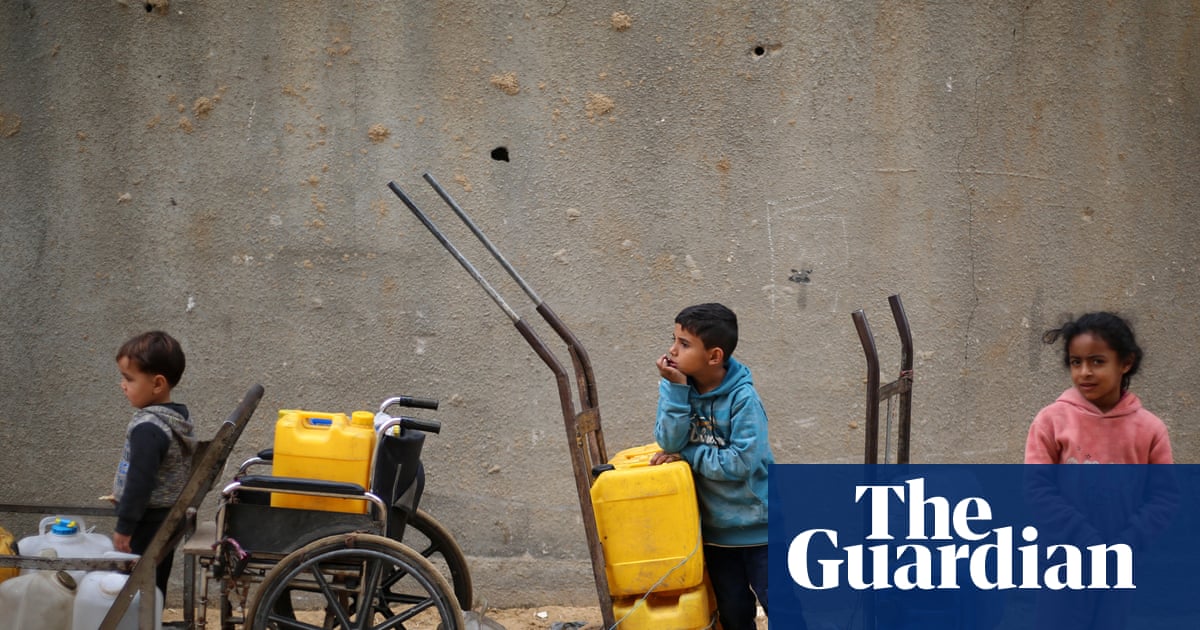
Israel’s failure to meet its commitment to allow the entrance of 600 humanitarian aid trucks daily raises significant concerns. Restrictions on “dual-use” items, which are essential for rebuilding infrastructure, complicate the provision of basic needs such as water and sanitation. Critics have noted that, while the Mladenov report implicitly acknowledges issues surrounding all parties, there is a glaring lack of direct criticism aimed at Israel. This one-sided narrative has led some observers to fear that it could provide Israeli Prime Minister Benjamin Netanyahu with a rationale to escalate military operations further.
Calls for accountability extend to the nature of negotiations, with some analysts emphasizing that Hamas has shown a willingness to disarm but insists that such disarmament must coincide with Israeli compliance. Mladenov’s proposals have included establishing a committee to oversee disarmament, yet skepticism remains as to whether both sides will uphold their commitments. The fear is that failure to create a balanced framework for peace could legitimize military action from Israel.
The Road Ahead
Earlier drafts of peace plans submitted to Hamas indicated a concerning level of expectation that may not align with the realities on the ground. Several Palestinian officials have found themselves in limbo, trapped in Cairo and stuck in discussions without tangible outcomes to present to their constituents. Reports suggest that frustration is mounting among these officials, with some considering resignations as they grapple with the lack of progress in Gaza.
The complexity of this situation underscores a broader dilemma. Both Hamas and the Palestinian Authority have their internal challenges, yet there appears to be some level of readiness to cooperate on governance transitions if specific conditions can be agreed upon. Breaking this stalemate may require rethinking the current approach to negotiations, incorporating not only demands from one side but also ensuring that Israeli obligations are enforced as part of any peace agreement.
In conclusion, the path to peace in Gaza remains strewn with obstacles requiring careful navigation. The issues surrounding blame, humanitarian needs, and governance will need to be addressed holistically for any meaningful progress to emerge. Neither military action nor one-sided narratives will lead to sustainable peace; instead, collaborative efforts aimed at addressing mutual grievances may provide a way forward in this protracted conflict.