
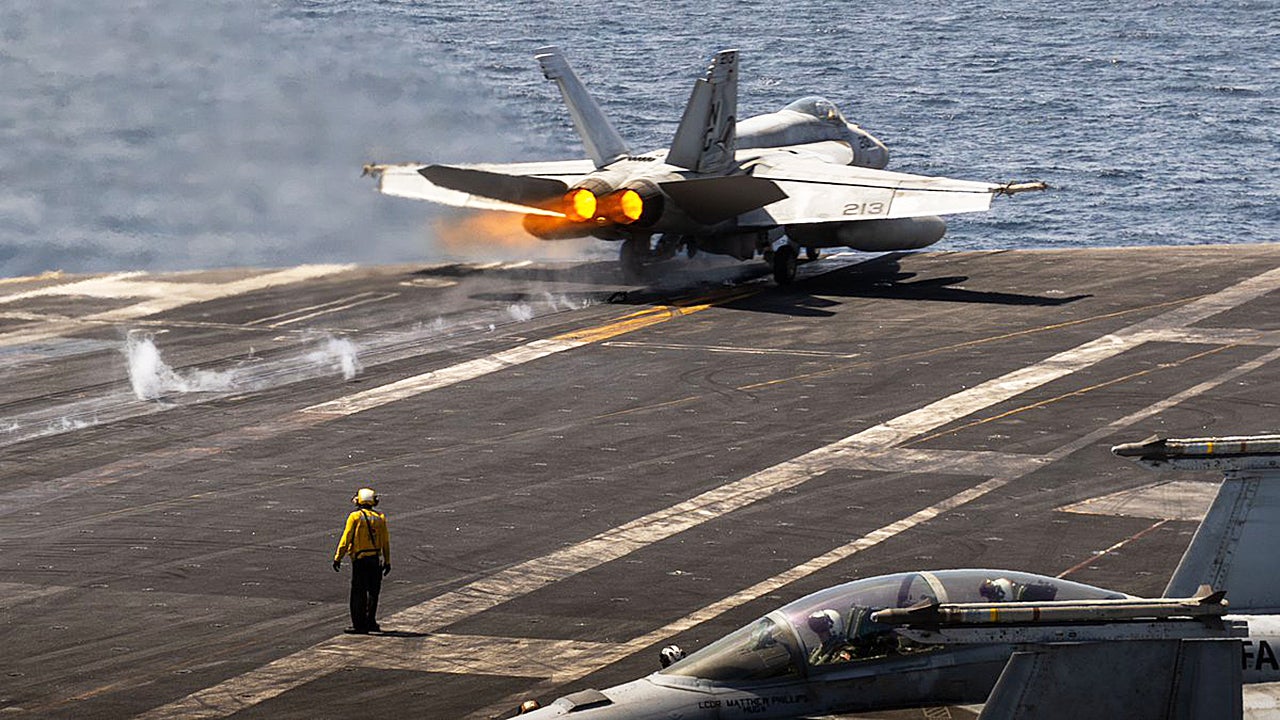
Retired U.S. Navy Commander Kirk Lippold recently expressed concerns over the chances of renewed military actions against Iran. He indicates that Iran’s steadfastness in maintaining its nuclear program, despite diplomatic attempts, signifies a growing inevitability of U.S. combat operations in the near future.
U.S. Military Options on the Horizon
Speaking on “America Reports,” Lippold emphasized that the situation has evolved from a question of “if” to “when” the United States will reengage in military operations against Iran. He stated that the Iranian leadership has repeatedly demonstrated an unwillingness to negotiate a satisfactory resolution to its nuclear ambitions. “The president has given the Iranians every chance to arrive at a favorable outcome through diplomatic means,” Lippold noted. He further argued that Iran is unlikely to abandon its nuclear pursuits.
Diplomatic Efforts and Challenges
His remarks came in the wake of Secretary of State Marco Rubio’s comments about the ongoing talks with Iran. Rubio indicated that some progress had indeed been made, though he cautioned that comprehensive resolution remains elusive. “There’s still much work to be done,” he said during a recent NATO conference in Sweden, underlining the complexities that lie ahead. The president aims to finalize a deal that would benefit all parties involved, but time is beginning to run out.
Strategic Military Readiness
Lippold, who previously commanded the USS Cole, suggested that ongoing negotiations may serve a dual purpose for the U.S. government. They provide a cover for American military forces to adequately “rearm, refuel, and prepare for potential engagement.” He advised against prematurely declaring the negotiations to be over, citing that doing so would afford Iran the opportunity to prepare for any potential military confrontations with the United States.
Current Diplomatic Climate
Recent reports from Iranian media suggest that nuclear discussions have not been at the forefront of current negotiations, although a Qatari team remains in Tehran to facilitate dialogue with the U.S. This evolving situation reflects the complexities involved in addressing Iran’s nuclear ambitions while balancing diplomatic avenues. As the international community closely monitors developments, the possibility of renewed military engagement looms as a significant factor in U.S.-Iran relations.
In summary, as the geopolitical landscape evolves, military, diplomatic, and strategic interests remain closely intertwined. Lippold’s assertions reflect a growing concern among defense experts that American military operations may soon become a reality if diplomatic efforts fail to yield concrete results.