
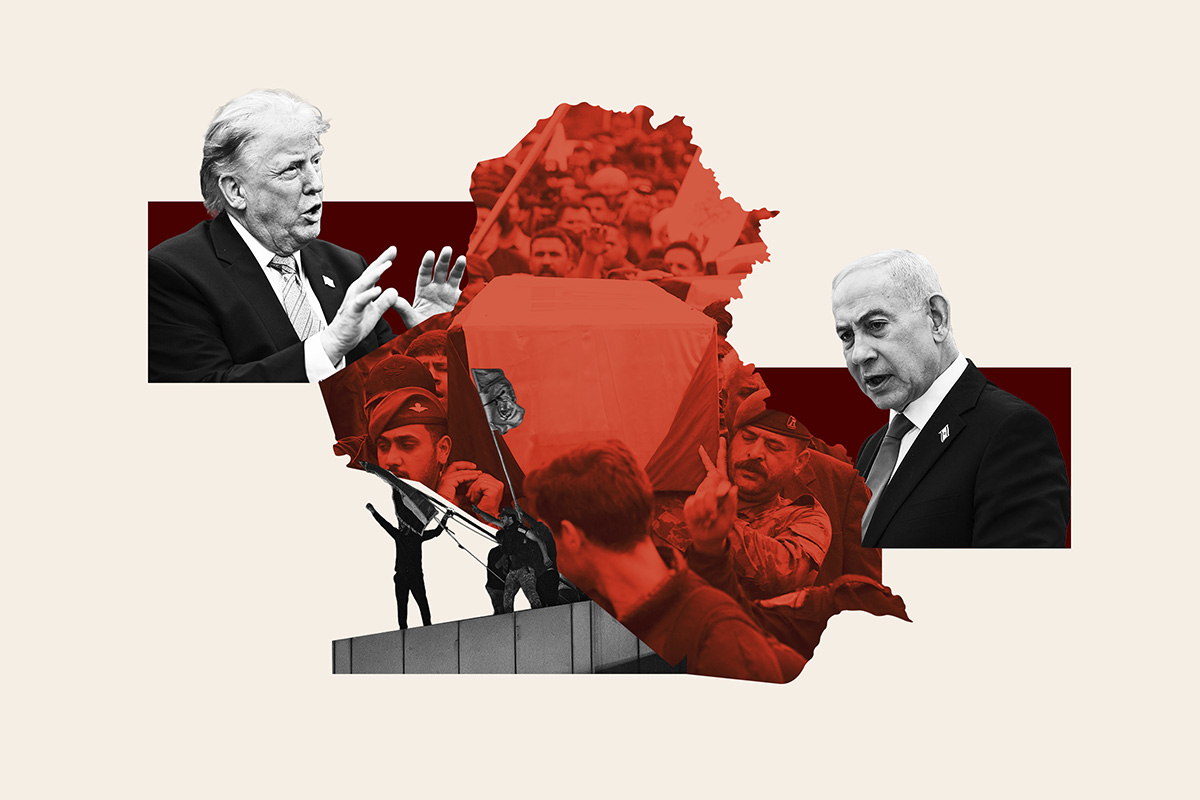
The ongoing ceasefire in the Middle East has not quieted the persistent turmoil in Iraq, which remains one of the region’s most volatile battlegrounds. Despite efforts to stabilize the country, recent developments indicate the complexity of Iraq’s position in relation to larger geopolitical conflicts.
Secret Bases and Foreign Influence
Recent reports indicate the establishment of covert Israeli military bases in western Iraq, believed to be launching pads for operations targeting Iran. This follows a wave of militia-led drone strikes on neighboring Saudi Arabia and the UAE by groups allied with Iran. Notably, Iranian Kurdish fighters remain stationed in Iraq’s northern semi-autonomous region, further complicating the national security landscape. The rise to power of Prime Minister Ali al-Zaidi, a relatively unknown figure from the business sector, comes amid this tumultuous backdrop, where his leadership is challenged by long-standing conflicts and external pressure.
Ali Mamouri, a research fellow and former adviser to the Iraqi prime minister, noted the fragile nature of Iraq’s situation, “Iraq has been a primary arena for regional power struggles since 2003.” He emphasized that while the U.S.-Iran tensions have always been a facet of Iraqi politics, the current conflict intensifies vulnerabilities within the nation. The presence of Iranian-backed militias and foreign military activities on Iraqi soil presents an ongoing risk despite the government’s official stance of neutrality.
Failed Strategies and Rising Threats
The frustration among Iraqi officials is palpable as they strive to keep the nation out of escalating regional conflicts. Former Prime Minister Mohammad Shia al-Sudani previously claimed Iraq had achieved a delicate balance in relations between the U.S. and Iran. However, the assassination of Iran’s Supreme Leader Ayatollah Ali Khamenei in February marked a turning point, nullifying hopes of peace and stability. This event has sparked an aggressive response from militias aligned with Iran, prompting increased hostilities toward U.S. forces in Iraq. Although Iraqi military capabilities have improved over the years, any crackdown on these militias could lead to internal strife reminiscent of past sectarian conflicts.
The consequences of the escalating tensions are grim. Recent data shows that Iraq has experienced over 80 casualties since the onset of the U.S.-Israeli conflict against Iran, positioning it as one of the most affected nations, following Iran and Lebanon. The strategic landscape continues to shift, with reports indicating a direct Israeli military presence in Iraq, raising concerns about sovereignty and stability within the nation. The targeting of Gulf states by Iraqi militias intensifies diplomatic strains, creating a precarious relationship with neighboring countries.
Zaidi’s Predicament
Ali al-Zaidi’s ascension to premiership brings considerable challenges as he navigates foreign and domestic pressures. Tasked with curtailing militia influence, he faces skepticism, given the historical entrenchment of these groups within Iraq’s political and economic systems. For Zaidi, relying on negotiations rather than military solutions appears to be the only viable path forward. Analysts believe that fostering unity among Shiite parties to disarm militias may yield positive results, although the possibility of confrontation remains high.
As negotiations between the U.S. and Iran stall, the stakes for Iraq grow. The potential for resuming large-scale strikes could, once again, turn Iraqi territory into a battleground. Should this occur, Iran-aligned militias, deeply embedded in Iraq’s sociopolitical landscape, are unlikely to remain passive. The historical ties among these factions complicate the security challenges faced by Zaidi and could threaten Iraq’s stability.
In conclusion, as Iraq grapples with the intricate web of internal dynamics and regional conflicts, Prime Minister Zaidi must tread carefully. With a governance structure lacking sufficient institutional strength to exert control over militias, the risk of becoming ensnared in broader conflicts looms high. The situation remains precarious, and Iraq’s fate hangs in the balance as both internal and external forces vie for influence.