
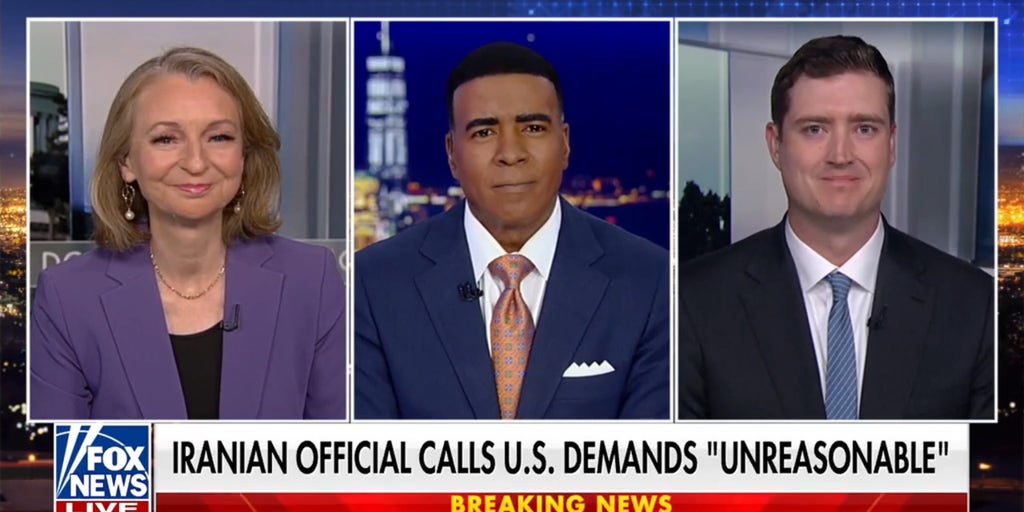
The ongoing geopolitical situation between the U.S. and Iran has captured the attention of experts and policymakers alike. Recently, a discussion moderated by Kevin Corke brought together national security analyst Dr. Rebecca Grant and former National Security Council Chief of Staff Alex Gray. They delved into the complexities of the U.S.-Iran standoff, highlighting the precarious nature of negotiations and the potential ramifications for international relations.
U.S.-Iran Negotiations: A Thorny Path
The dialogue between the United States and Iran has been fraught with challenges. Dr. Grant pointed out that Iran’s recent actions have been increasingly unreasonable, suggesting that it might be time for the U.S. to target Iranian military assets to reassert its stance. This view reflects a growing frustration within some circles who believe that diplomatic engagement alone may no longer be sufficient to curb Iran’s aggressive posture. The historical context of these talks underscores a long-standing tension that often boils over into military threats and posturing.
The Role of Military Options
Alex Gray highlighted President Donald Trump’s willingness to consider military options should negotiations yield no positive outcomes. This statement brings to light the U.S. strategy of maintaining a strong military presence in the region, essentially using it as a bargaining chip during negotiations. Gray’s perspective underscores the seriousness of the situation, as both diplomacy and military options remain in play. The relationship between these two approaches illustrates the delicate balance that the U.S. must navigate to safeguard its interests while also maintaining global stability.
Strait of Hormuz: A Crucial Passage
The Strait of Hormuz has emerged as a focal point in these discussions, given its strategic significance. Nearly a fifth of the world’s oil supply passes through this narrow passage, making it a critical route for international trade. Efforts to ensure its security and keep it open have become increasingly vital as tensions rise. The reopening of this strait is crucial not just for oil transportation but also for maintaining broader economic stability. An escalation here could have dire consequences for global markets and international relations. Thus, dialogue and strategic military readiness are imperative.
In summary, the conversation around U.S.-Iran relations emphasizes the need for a multi-faceted approach to a complex issue. As experts like Dr. Grant and Alex Gray point out, the balancing act between diplomatic outreach and the readiness for military action remains as crucial as ever. With significant implications for both regional and global security, the decisions made in the coming months will likely shape the international landscape for years to come. Policymakers must tread carefully as they navigate these turbulent waters, ensuring that their strategies are effective while minimizing the risk of miscalculation.