
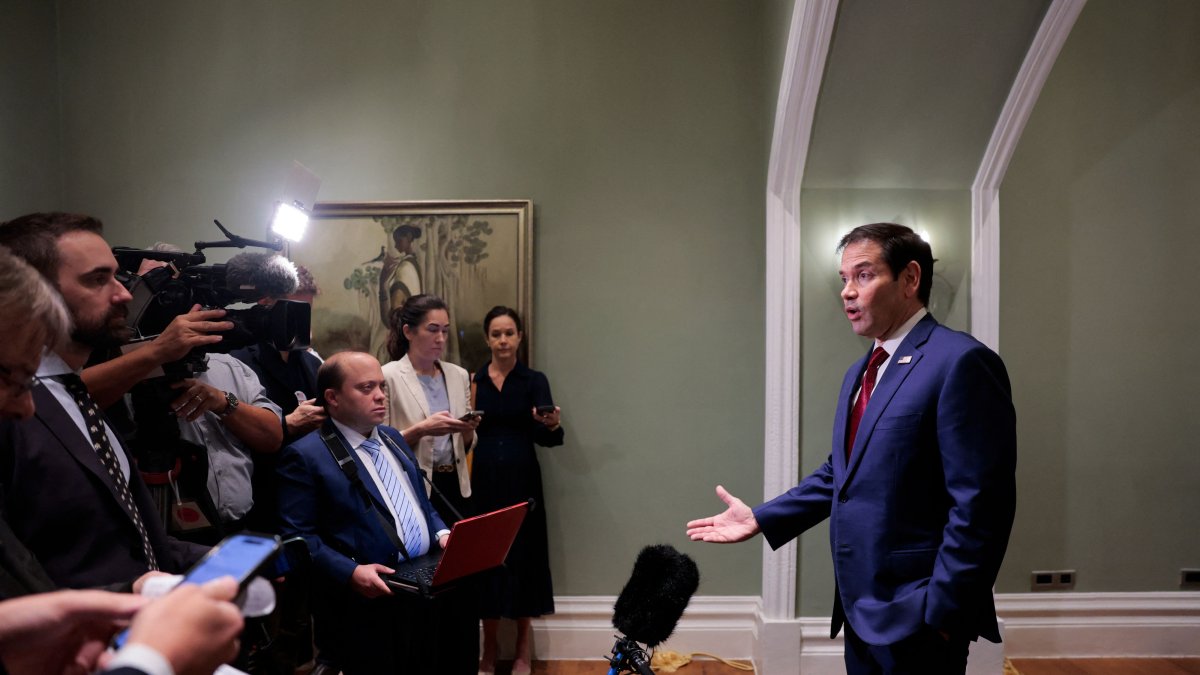
U.S. Secretary of State Marco Rubio recently spoke with Qatari Prime Minister Sheikh Mohammed bin Abdulrahman Al Thani to address rising tensions in the Middle East and the need to protect navigation through the strategically vital Strait of Hormuz. This phone conversation highlights the ongoing diplomatic efforts aimed at curbing regional instability, especially given the significance of the waterway for global energy supplies.
Strengthening Diplomatic Relations
During their conversation, Rubio expressed gratitude for Qatar’s active role in mediating regional conflicts. He reiterated Washington’s commitment to ensuring the security of Qatar and stressed the importance of maintaining open maritime routes. According to a statement from the U.S. State Department, both leaders reviewed recent developments in the region, focusing on enhancing their strategic collaboration.
Qatar’s Foreign Ministry noted that their discussions were centered on diplomatic initiatives aimed at reducing tensions and fostering regional stability. Both officials acknowledged the critical need for a cooperative approach to address ongoing challenges, thereby strengthening their partnership.
Importance of the Strait of Hormuz
The Strait of Hormuz remains one of the world’s most crucial maritime corridors, serving as a transit route for a significant portion of global oil and liquefied natural gas shipments. Ongoing tensions in the area have raised alarms over regional security and the potential disruption of international energy supplies. Iran and the United States are at odds over navigation rights, with Tehran asserting its authority while Washington insists on unrestricted passage.
Sheikh Mohammed emphasized Qatar’s commitment to supporting diplomatic solutions that aim to guarantee free navigation and establish a framework for long-term peace in the region. His remarks underline the essential role of diplomatic dialogue in resolving disputes surrounding the Strait of Hormuz.
The Path Forward
As tensions continue to simmer, Qatar remains a pivotal mediator, maintaining open lines of communication with both Washington and Tehran. The recent dialogue between Rubio and Sheikh Mohammed illustrates the importance both nations place on continuous diplomatic engagement to avert further escalations.
These discussions were timely, considering the critical geopolitical developments unfolding in the region. Both leaders recognized that collaboration and open dialogue are key to navigating the complexities of Middle Eastern politics and fostering a peaceful environment. They reiterated their mutual commitment to prioritize regional stability and proactive diplomacy as a means to address existing conflicts.
In summary, the call between Secretary Rubio and Prime Minister Sheikh Mohammed exemplifies an ongoing commitment to mitigating tensions in a volatile region. Strengthening existing partnerships and promoting dialogue are essential steps in ensuring a sustainable and peaceful future for the Middle East. Through these diplomatic efforts, both nations aim to pave the way for a more secure and stable geopolitical landscape.