
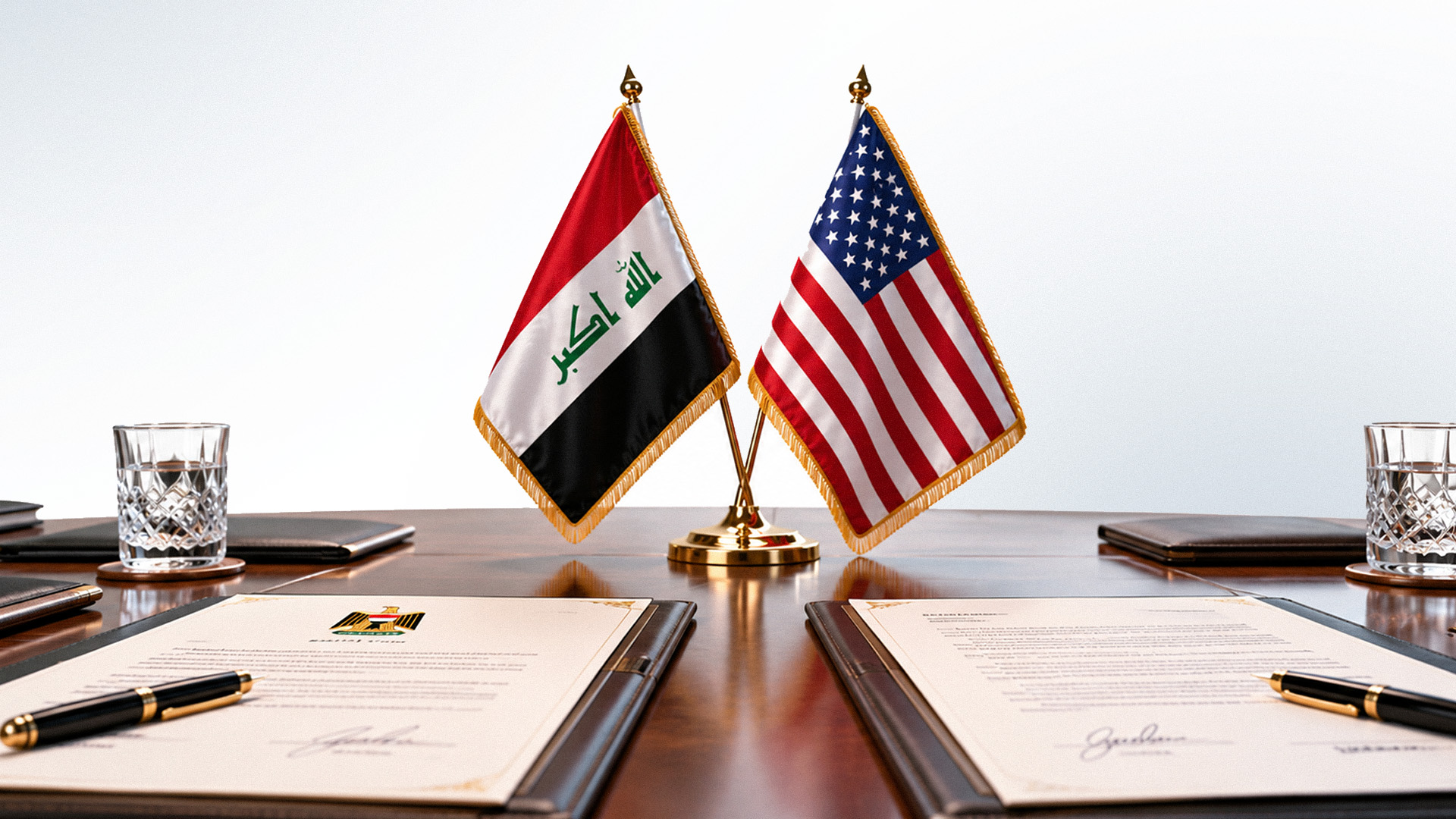
The relationship between the United States and Iraq remains a focal point of international dialogue, particularly as both nations navigate complex regional dynamics. With the recent commitments made by Iraqi Prime Minister Ali al-Zaidi, the U.S. aims to bolster its partnership with Iraq while addressing significant security concerns.
Expectations for Iraqi Leadership
The U.S. government anticipates that Prime Minister Ali al-Zaidi will honor the commitments made during his discussions with President Donald Trump in July. According to a spokesperson from the U.S. State Department, these commitments include a commitment to fight against terrorism, prevent attacks originating from Iraqi territory, and foster a closer U.S.-Iraq partnership. This expectation underscores the importance of accountability as Iraq maneuvers its relationship with the U.S., aiming for mutual benefits in security and development.
Washington’s intentions extend beyond bilateral relations; the overarching goal is to ensure a sovereign, secure, and prosperous Iraq that serves the interests of its people while stabilizing the region. The U.S. has been vocal about Iran’s disruptive influence in Iraq, arguing that Iranian involvement undermines the nation’s sovereignty.
The Critique of Iranian Influence
The State Department has specifically pointed out that Iran exploits Iraq’s resources through various armed factions, which affects the country’s integrity and prosperity. The U.S. spokesperson emphasized, “Iran has no constructive role to play in this effort; it is an untrustworthy actor with a long history of using Iraqi militias to steal resources from the Iraqi people and threaten Iraq’s sovereignty.” This critique highlights the complexities of Iraq’s political landscape, where external influences complicate governance and internal security.
In a recent official visit to Washington D.C., Prime Minister Al-Zaidi engaged with U.S. leaders to transition the partnership from a predominantly military focus to areas like economic cooperation and energy security. His discussions reflect a significant effort to modernize Iraq’s international alliances, emphasizing the importance of economic stability as a pillar for national security.
Challenges Facing Iraq
Iraq’s ongoing struggle to maintain a balanced relationship with both the U.S. and Iran showcases the intricate geopolitical stakes at play. Both nations exert considerable influence—politically, economically, and militarily—creating a precarious balancing act for Baghdad. Furthermore, the presence of Iran-aligned militia groups and their activities continue to generate tensions with the U.S. and complicate Iraq’s governance.
The U.S. has consistently urged the Iraqi government to ensure that these armed factions do not launch attacks against U.S. personnel or interests, thereby reinforcing the notion that Iraq must safeguard its sovereignty. Washington’s position stresses the necessity for Iraq to prevent any external parties from manipulating its institutions to serve foreign agendas.
Looking Ahead: A Call for Action
The State Department’s communications indicate that the U.S. expects concrete actions from the Iraqi government around counterterrorism, security, and maintaining sovereignty. There is a clear call for the Iraqi leadership to translate commitments into measurable outcomes, signifying the importance of actionable strategic plans to solidify the U.S.-Iraq relationship.
As both nations work to strengthen their partnership, the focus will remain on achieving a stable Iraq that can navigate its challenges while contributing positively to regional security. The ongoing dialogue reflects a broader aim to not only stabilize Iraq but to ensure that its governance aligns with the aspirations of its population, ultimately fostering a sense of national pride and international trust.