
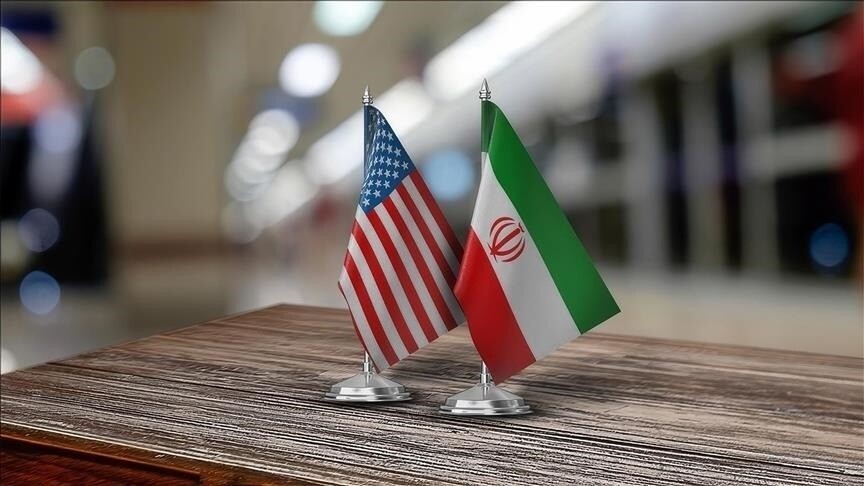
Pakistani, Iranian, and Qatari representatives have intensified negotiations in Tehran, aiming to solidify a temporary pact with the United States to halt the ongoing conflict in the Middle East. As discussions unfold, sources from the Pakistani government express optimism for a significant breakthrough by week’s end.
Ongoing Diplomatic Efforts
Field Marshal Asim Munir, Pakistan’s army chief, is actively participating in these crucial talks, having visited Tehran recently. During his stay, he engaged in multiple phone conversations with U.S. mediators, including Vice President JD Vance, in an effort to streamline the negotiation process. Munir has met with key figures, such as Iranian President Masoud Pezeshkian and chief negotiator Bagher Qalibaf, to hash out a draft for what could become this pivotal agreement. The consultations aim to broker a consensus not only between the Pakistani and Qatari factions but also between the conflicting parties involved.
The discussions have yet to yield a finalized draft. However, reports suggest that both sides are inching closer to a resolution, with expectations for a “major breakthrough” this week. Furthermore, several regional nations are reaching out to the Pakistani and Qatari delegations currently engaged in Tehran, underscoring the broader geopolitical implications of these negotiations.
Key Issues Under Discussion
Iran’s Foreign Ministry spokesperson, Esmail Baghaei, has acknowledged the Qatari delegation’s ongoing discussions with Iranian officials, further emphasizing Pakistan’s role as the primary mediator. The negotiations primarily focus on Iran’s nuclear program and the critical issue of shipping routes through the Strait of Hormuz. Washington is seeking specific assurances related to these matters to be incorporated into any interim agreement. Conversely, Tehran insists that discussions on these topics occur in a secondary phase following the establishment of a preliminary deal.
Proposals under consideration appear to be comprehensive, advocating for an immediate cessation of hostilities across various fronts, including Lebanon. Additionally, the reopening of the Strait and the lifting of the U.S. blockade on Iranian ports are significant points of contention. Proposals also include an agreement to initiate nuclear discussions within the next month. However, sensitive issues like the release of Iran’s frozen assets, the lifting of sanctions, and compensation for wartime damages are expected to be resolved through direct negotiations between Washington and Tehran.
Future Prospects and Implications
If both parties ink an agreement, it is highly anticipated that a second round of direct talks will take place after Eid-ul-Adha, in Islamabad. Pakistan’s Prime Minister Shehbaz Sharif is currently on a visit to China, planning to discuss the outcomes of Munir’s talks with Chinese leadership upon his return.
The backdrop to this urgent negotiation stems from a series of escalating conflicts following U.S. and Israeli strikes against Iran, which tragically resulted in the death of its supreme leader on February 28. In retaliation, Iran launched attacks on Israel and allied regions in the Gulf, leading to the de facto closure of the vital Strait of Hormuz. A temporary ceasefire was established on April 8, thanks to Pakistani mediation, but subsequent negotiations in Islamabad have yet to achieve a lasting resolution.
In recent days, momentum has shifted positively, with U.S. Secretary of State Marco Rubio reporting significant progress in the discussions. As various stakeholders remain engaged, the hope for a peaceful, negotiated end to this regional conflict grows stronger.