
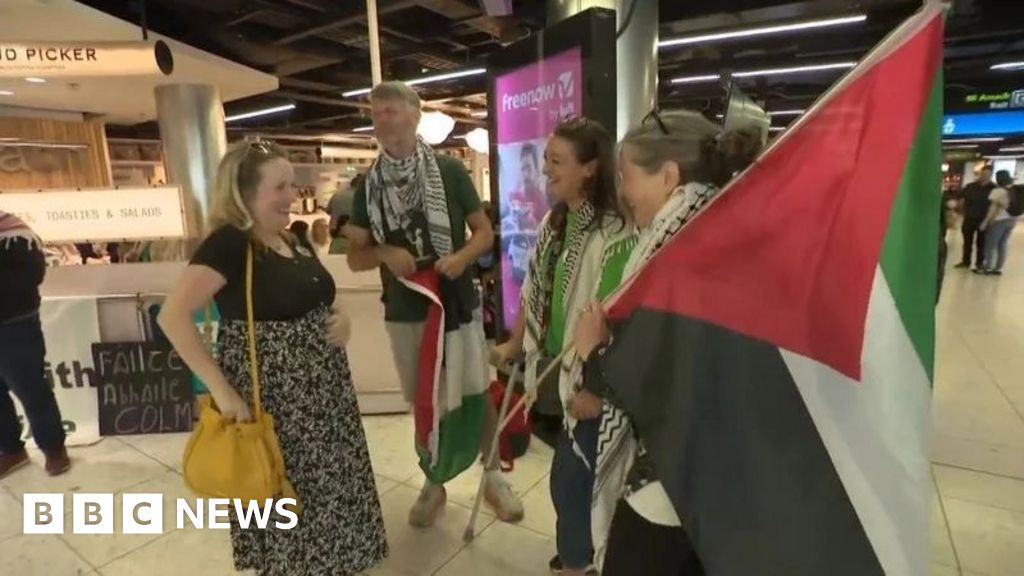
In a recent humanitarian operation, a group of Irish activists who participated in the Global Sumud Flotilla aimed at delivering aid to Gaza were forcibly deported back to Ireland. This event has stirred discussions around international aid, political tensions, and the right to protest and assist vulnerable populations.
Understanding the Global Sumud Flotilla
The Global Sumud Flotilla is a grassroots initiative that mobilizes volunteers and activists from around the world to provide essential supplies to Gaza. The term “Sumud,” which means perseverance in Arabic, reflects the determination of the Palestinian people amidst ongoing strife and adversity. Activists aboard these flotillas often face significant risks, including legal hurdles and political pushback, yet they persist in their mission to offer humanitarian support.
This year, the flotilla launched with the explicit objective of delivering much-needed aid, including medical supplies and food, to families in Gaza who are enduring severe shortages. These efforts draw international attention to the plight of marginalized communities and the broader humanitarian crisis in the region. However, these noble intentions came under scrutiny as Irish participants found themselves embroiled in a legal quagmire upon arrival.
The Exile of Irish Activists
Upon reaching their destination, the Irish participants were met with unexpected resistance. Authorities took action to deport them, citing legal regulations and concerns over security. This decision has raised eyebrows, prompting debates on international law and the freedom of human rights activists to operate freely, even in challenging political climates. Critics argue that such actions stifle vital humanitarian initiatives and undermine the work being carried out in some of the world’s most needy areas.
The deportation of these activists ignites discourse regarding the political ramifications of providing aid in conflict zones. Many advocate that humanitarian efforts should not be obstructed by political agendas, arguing that the primary focus ought to be on alleviating human suffering irrespective of geographical or political boundaries.
The Broader Implications for Humanitarian Aid
These incidents highlight significant challenges in the landscape of humanitarian aid. Both governmental and non-governmental organizations often face obstacles when attempting to deliver assistance in regions plagued by conflict. The deportation of aid workers like those involved in the Global Sumud Flotilla raises critical questions about the safety and legality of operating in such environments.
Furthermore, the response to these activists serves as a reminder of the delicate balance between national security, international law, and the moral imperative to assist those in desperate need. A disruption in the flow of aid not only impacts the immediate beneficiaries but also influences the perception of international solidarity and support for vulnerable populations.
In conclusion, while the Global Sumud Flotilla aimed to provide aid to the impoverished citizens of Gaza, the deportation of Irish activists illustrates the complex interplay between humanitarian intentions, political realities, and legal frameworks. This incident serves as a cautionary tale for future endeavors and highlights the crucial need for dialogue surrounding the rights of activists, the significance of aid, and the need for greater international cooperation in addressing humanitarian crises.