
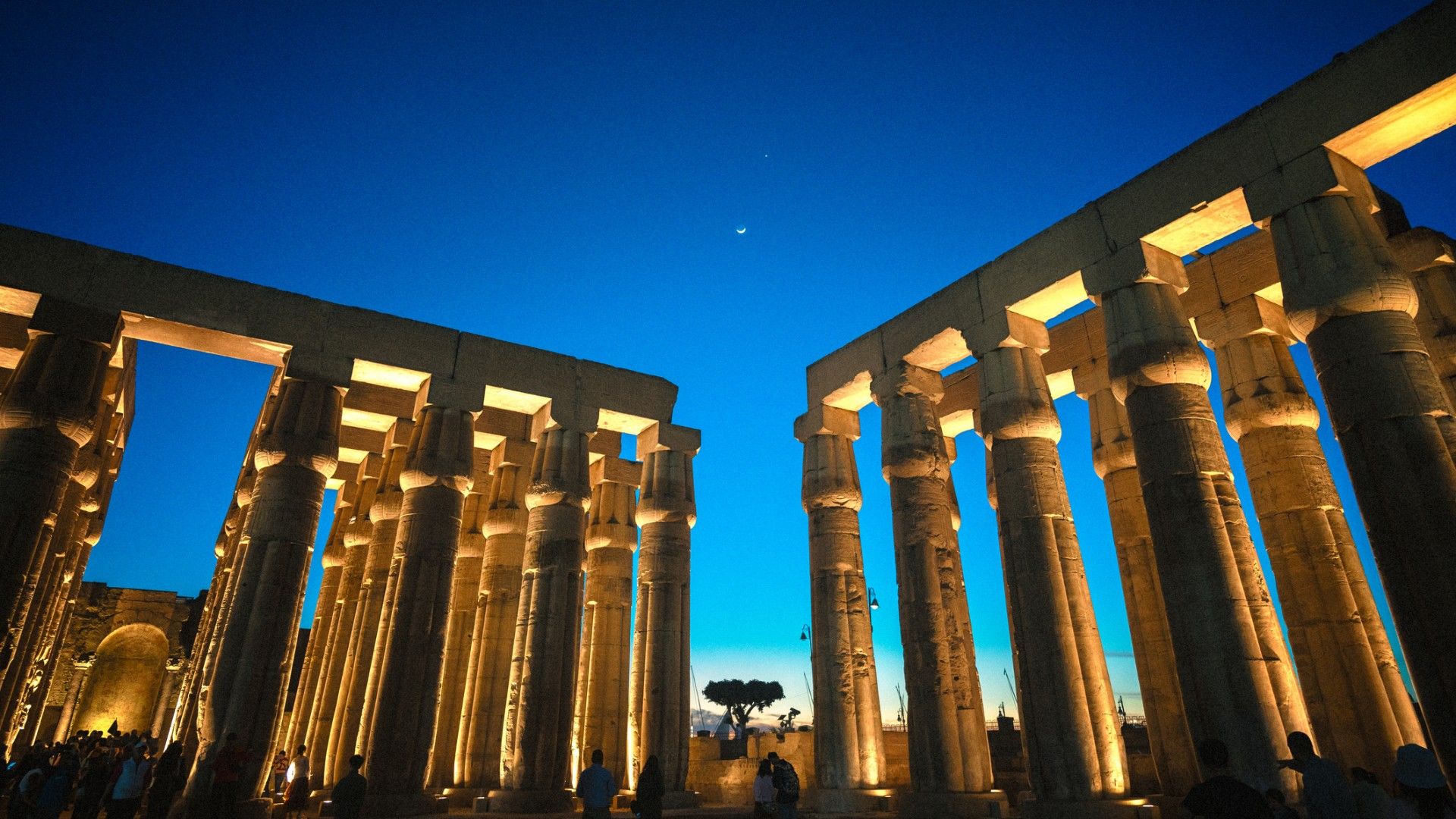
The total solar eclipse on August 2, 2027, promises to be a spectacular astronomical event. With a totality lasting 6 minutes and 23 seconds, it will be the longest on land in the 21st century, attracting countless eclipse enthusiasts to witness this remarkable phenomenon. The point of maximum eclipse occurs near Luxor, Egypt, an area rich in ancient history and remarkable monuments, making it an ideal location for both eclipse viewing and historical exploration.
Luxor: The Heart of Ancient Egypt
Luxor, often referred to as the world’s greatest open-air museum, is home to many significant ancient structures. The city is flanked by the Nile River, with the east bank housing the vibrant Temple of Karnak and the Luxor Temple, while the west bank boasts the Valley of the Kings and the Temple of Hatshepsut. With a population of around 285,000, Luxor is expected to draw international visitors, especially because of its historically low chances of cloud cover during August.
While viewing totality at the ancient temples may be challenging, the opportunity to explore these awe-inspiring structures before or after the eclipse cannot be overstated. Visitors must prepare for intense heat typical of August and ensure that they have proper solar eclipse glasses for safety during the partial phases of the eclipse.
Key Monuments Along the Path of Totality
Not every historical site in Egypt will experience totality, but Luxor’s well-preserved monuments will be dramatically illuminated when the moon’s shadow passes over them. Key locations include the following:
-
Karnak Temple: Positioned on the east bank of Luxor, this expansive temple complex is dedicated to Amun-Ra. It features stunning architecture and is expected to attract many visitors eager to witness the eclipse.
-
Luxor Temple: Also located on the east bank, this magnificent structure is famous for its imposing pillars and intricate carvings. A notable 75-foot obelisk stands at its entrance, adding to the temple’s grandeur and providing a picturesque backdrop for the solar event.
-
Valley of the Kings: Situated on the west bank, this necropolis houses the burial sites of numerous pharaohs, showcasing exceptional artwork and royal tombs. While viewing totality underground isn’t practical, the tombs here are a significant draw for history enthusiasts.
-
Mortuary Temple of Hatshepsut: This temple’s three terraces rising into the desert cliffs make it an impressive sight. While it offers little shade, its design and significance make it a must-visit.
Planning Your Eclipse Experience
Given the expected influx of visitors, planning your trip to Luxor well in advance is crucial. Keep an eye on official announcements regarding access arrangements at major sites on eclipse day. Many are already gearing up for this celestial event, making accommodations and travel options increasingly limited.
Additionally, consider visiting lesser-known sites such as Medinet Habu or the Colossi of Memnon, which may offer less crowded but equally stunning views of the eclipse. Each of these locations is rich in history, and many, such as the Temple of Dendera, offer remarkable architectural beauty, ensuring a fulfilling experience beyond just witnessing the eclipse.
The 2027 solar eclipse invites an incredible opportunity to merge astronomical wonder with the exploration of ancient civilizations. This unique event is a reminder of the timeless connection between humanity and the cosmos, ensuring that Luxor will be a focal point for both enthusiasts and historians alike. Plan ahead to secure your chance to witness this incredible phenomenon in one of the world’s most historically significant locations.