
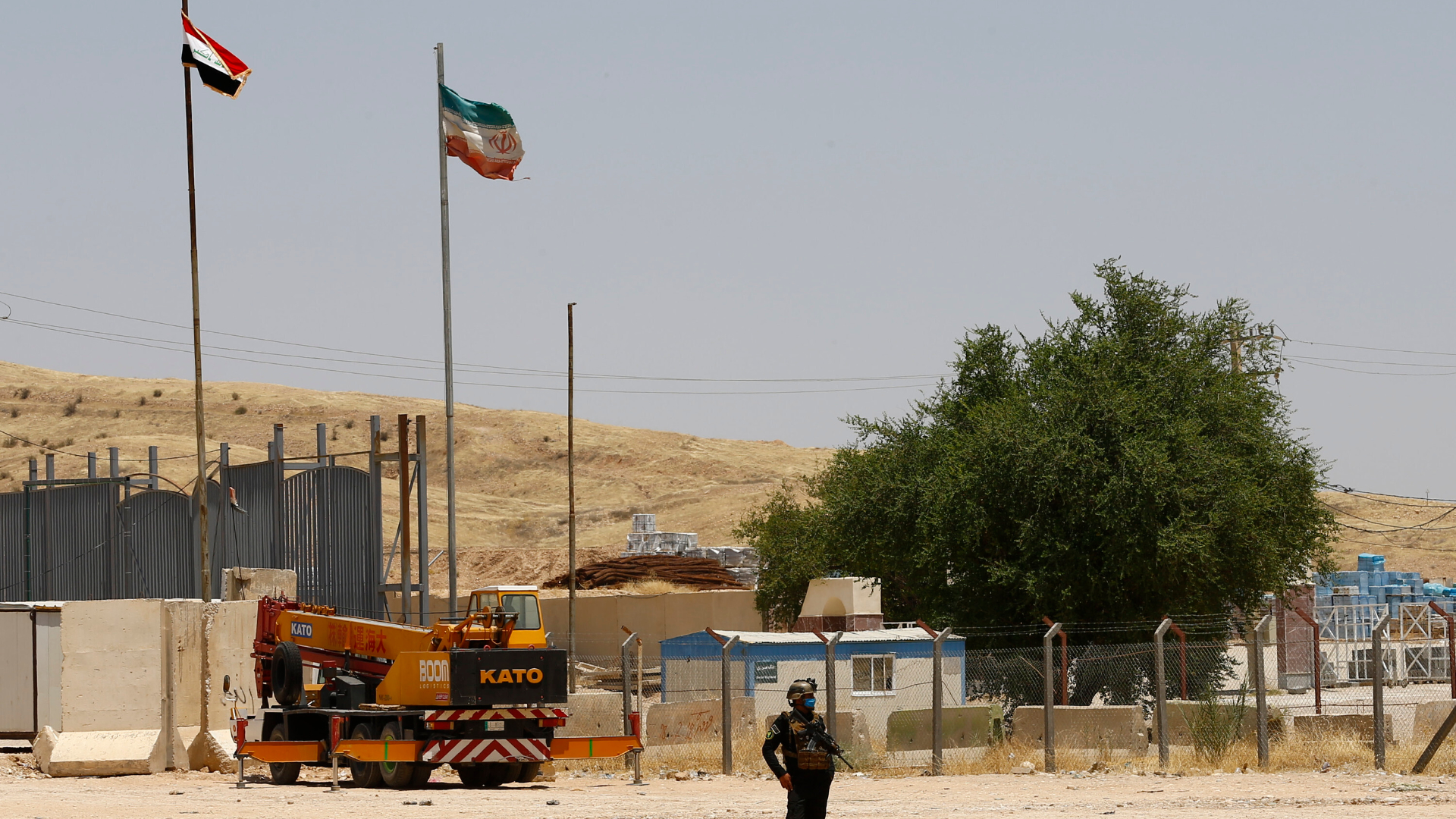
In recent developments, the Iraqi political landscape is experiencing tension as external pressures mount. U.S. officials have reportedly urged Iraqi Prime Minister Ali Faleh al-Zaidi to address significant security concerns, particularly regarding the Iran border crossings and armed militias. Such requests come at a time when Iraq is grappling with internal discord, making it crucial for Baghdad to navigate these challenges effectively.
U.S. Requests for Border Control and Armed Group Disarmament
Salwan Taha Akreyi, a member of the Border Crossings Committee and a lawmaker from the Kurdistan Democratic Party (KDP), has disclosed that Washington has officially requested the Iraqi prime minister to manage armed factions and limit border crossings with Iran. These conversations were reportedly raised during al-Zaidi’s recent visit to the United States. Akreyi emphasized that the U.S. seeks a commitment from Baghdad to ensure these militant groups relinquish their arms, stressing the need for a clearer stance on national security.
The implications of these requests are significant, as internal dissent grows within Iraq’s political factions regarding security measures and trade relations with Iran. Akreyi’s observations concur with earlier assertions made by Hussein Shihani of the Sadiqoun Movement, who indicated that al-Zaidi’s proposal for border restrictions encountered strong opposition from leaders aligning with the Coordination Framework.
Potential Impact of Border Closures on Security and Economy
The U.S. State Department has not confirmed the calls for a blanket closure of Iraq’s Iran border crossings. Nonetheless, a spokesperson reiterated expectations for al-Zaidi to uphold commitments made regarding counterterrorism and ensuring Iraq’s sovereignty. Recent actions, such as the closure of the al-Sheeb crossing in Maysan, have intensified discourse around these requests. Akreyi views the closure as an early step in broader plans to restrict crossings, with Mandali potentially becoming the next target.
Security concerns remain central to these discussions. Akreyi pointed out that future border closures could either limit the movement of weapons and personnel if a regional conflict arises or exert additional economic pressure on Iran. He has reiterated that certain armed groups are aligned with Iranian interests, complicating al-Zaidi’s efforts to maintain Iraq’s neutrality in potential wider conflicts.
Challenges Facing Iraq’s Border Security
Despite the urgent need for enhanced border management, Akreyi expressed skepticism about Iraq’s current capacity to secure its sprawling 1,400-kilometer border with Iran. He indicated that without significant international assistance, particularly from the U.S. and its allies, Baghdad would struggle to maintain effective control. Comparatively, crossings managed by the Kurdistan Regional Government (KRG) reportedly operate under stricter controls, which Akreyi highlighted as part of the regional disparity in border security measures.
The notion of closing multiple crossings, which could severely impact trade with Iran—a key commercial partner for Iraq—has raised alarms among local businesses. However, Akreyi contended that alternate trade routes through countries like Turkey and Saudi Arabia exist and could be utilized effectively. He underscored the need for Baghdad to differentiate between legitimate trade and illegal smuggling activities that have financial implications for Iraq’s economy.
In conclusion, while Salwan Taha Akreyi advocates for decisive action to fortify Iraq’s border security and disarm militias, the political landscape remains complex. Disagreement within the Coordination Framework and external pressures from the U.S. create a challenging environment for al-Zaidi’s administration. The path forward will require navigating these intricate dynamics while prioritizing both security and economic stability in Iraq.