
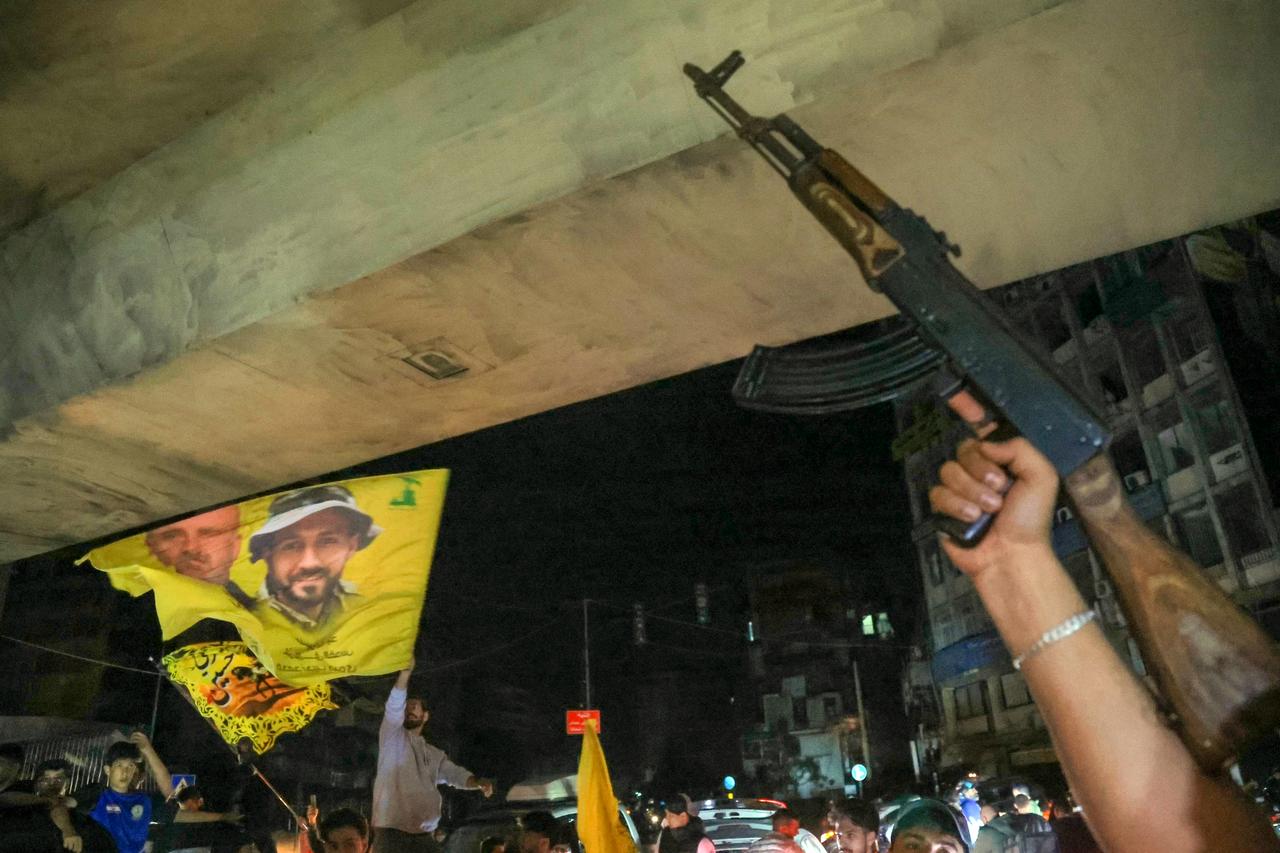
On October 20, 2026, the U.S. State Department publicly dismissed a U.S.-Türkiye initiative aimed at disarming Hezbollah, as noted by spokesperson Tommy Pigott. This decision reflects the complexities surrounding Lebanon’s political landscape and its ongoing conflicts. Pigott emphasized that there are no plans supported by the U.S. to alter the architectural framework of Lebanese politics, specifically referencing the Taif Agreement, which was crucial in ending a 15-year civil war in Lebanon in 1990.
Clarification on U.S. Commitment
Pigott reiterated the United States’ dedication to a trilateral framework, which aims to break the cycle of conflict in the region. He clarified, “There are no U.S.-Türkiye proposals concerning Lebanon, nor are there any U.S.-backed initiatives to alter the established Taif Accords.” The commitment involves several critical points: disarming Hezbollah, ensuring long-term security for both Israel and Lebanon, and fostering peaceful relations between the two nations. Pigott welcomed collaboration from international partners to achieve these objectives, highlighting the U.S. stance on the issue.
Framework Agreement Background
The framework agreement, ratified in June 2026 between Lebanon, Israel, and the U.S., seeks to restore Lebanese sovereignty and facilitate Hezbollah’s disarmament while ensuring Israel’s gradual withdrawal from Lebanon. Signed on June 26, the agreement outlines provisions for Israel to slowly exit, the Lebanese military to deploy, and Hezbollah to disarm. However, the situation remains tense, as Israeli forces have conducted multiple strikes in Lebanon since early March, causing extensive casualties and displacing over 1.5 million people.
Disputes Over Hezbollah’s Disarmament
The Lebanese military has responded to Israeli claims regarding its failure to disarm Hezbollah, particularly in the area south of the Litani River. They accused Israel of spreading misinformation designed to undermine their credibility amid ongoing discussions. Specifically, the Lebanese army pointed to their documentation of operations overseen by a committee monitoring the ceasefire. The contention primarily revolves around a facility in Kfarra, where Israeli accusations claim Hezbollah continues its operations. While the Lebanese army indicated that it had begun work at the site, operations were halted following threats from Israel.
Lebanese Leadership’s Response
Lebanese President Joseph Aoun has voiced concerns over Israel’s non-compliance with the U.S.-mediated framework agreement. During a meeting with Nabil Fahmy of the Arab League, Aoun pointed out that ongoing Israeli violations will not serve their intended objectives but rather strengthen Lebanese resolve to defend their sovereignty. He reiterated that a diplomatic solution is far more beneficial than a costly war, urging for stability and peace in Lebanon. Citing the casualties from the recent conflict, which have totaled over 4,386 dead and 12,407 injured since March, Aoun stressed the urgency of international support and respect for Lebanon’s sovereignty.
In conclusion, the current state of affairs in Lebanon remains fraught with challenges. The U.S. State Department’s rejection of the disarmament proposal highlights the complexities facing U.S.-Middle Eastern relations, while Israel’s military actions continue to inflame tensions. Above all, the voices of Lebanese leadership and military reflect a deep commitment to sovereignty and a preference for peaceful resolutions to ongoing conflicts.