
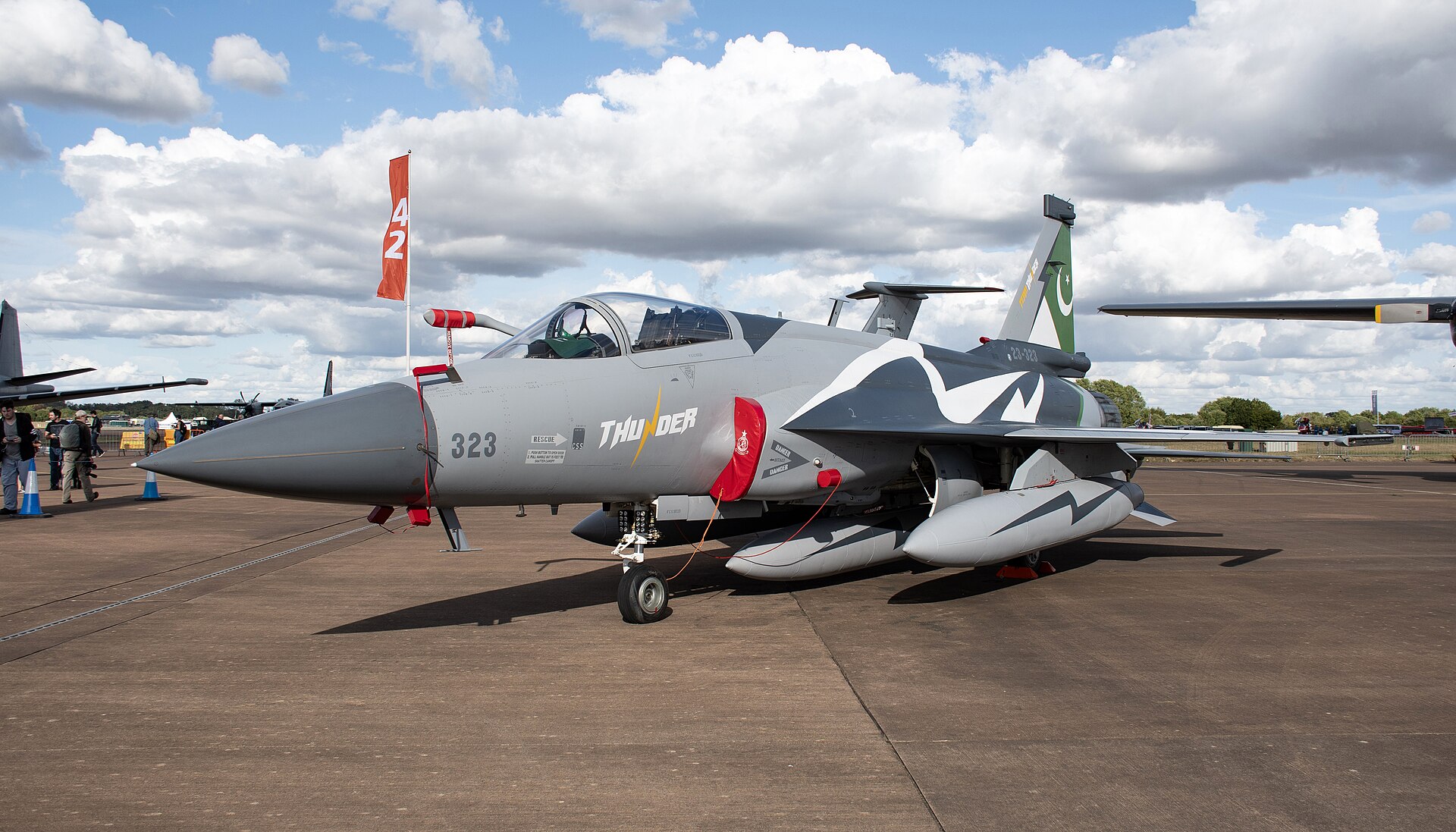
Pakistan’s involvement in Saudi Arabia, comprising significant military resources and commitments, marks a pivotal moment in regional politics. With approximately 8,000 troops, 16 JF-17 fighter jets, and an HQ-9 air-defense battery stationed there, Pakistan’s military presence is substantiated by two defense agreements. The specifics of these deployments, however, have been shrouded in secrecy, provoking questions about the implications for both countries.
Military Deployments: What Pakistan Has Contributed
Reports indicate that Pakistan has deployed around 8,000 military personnel to Saudi Arabia. This presence includes a squadron of 16 JF-17 Thunder fighter jets and a Chinese-made HQ-9 air defense system, all financed by Saudi Arabia. These jets arrived on April 11, 2026, under the Strategic Mutual Defence Agreement (SMDA) signed in 2025. Notably, the SMDA includes provisions similar to NATO’s Article 5, suggesting that an attack on one member would be considered an attack on all. This agreement, however, lacks the institutional infrastructure and transparency characteristic of NATO, raising concerns about accountability in military operations.
The Makkah Joint Defence Agreement, signed later, extends this commitment by involving Turkey, which has not ratified the pact yet. While both agreements highlight mutual defense, the operational details, such as the command structure and rules of engagement for the deployed forces, remain ambiguous. A Pakistan government source revealed that the SMDA could allow for an increase in troop numbers up to 80,000, yet this potential expansion bypassed parliamentary scrutiny, illuminating a concerning trend of unchecked military commitments.
Understanding the Historical Context of Military Relations
The roots of military collaboration between Pakistan and Saudi Arabia trace back to the late 1960s. Initial cooperation began when Pakistani Air Force pilots trained Saudi pilots, escalating to direct military involvement during regional conflicts, including the 1979 Grand Mosque seizure. The relationship saw significant expansion during the Gulf War in 1991, with thousands of Pakistani troops deployed to support Saudi Arabia.
This longstanding partnership has often functioned without public acknowledgment or debate, allowing for significant military commitments to be made with limited oversight. The recent decision to deploy troops in this ongoing conflict, however, faces increased scrutiny given the active missile threats from Houthi forces in Yemen, testing the bilateral relationship in unprecedented ways.
Domestic Policy and Political Implications
In light of these developments, it is essential to question why the Pakistani government opted to bypass parliamentary approval. In 2015, when faced with a request for military support against the Houthis, Pakistan’s parliament unanimously decided to remain neutral. However, the current deployment, lacking equivalent debate or approval, reflects a shift in the power dynamics within the nation.
Several factors contribute to this change. The military leadership has consolidated power, and the economic ties with Saudi Arabia further complicate domestic opposition to military commitments. A substantial portion of Pakistan’s remittances originates from Saudi Arabia, creating a challenging landscape for political dissent against military cooperation. Critics argue that the military’s dominant position in decision-making is eroding the foundations of democratic governance in Pakistan.
The Broader Regional Implications and Iran’s Perspective
Iran’s reactions to Pakistan’s military presence in Saudi Arabia highlight the broader geopolitical implications of this deployment. Iranian officials have expressed concern that this military commitment could escalate tensions, viewing Pakistani forces as participants in a coalition against their interests. They have warned Pakistan about the consequences of becoming embroiled in regional conflicts, representing a significant shift from its previous role as a mediator in U.S.-Iran relations.
As Pakistan finds itself enmeshed in complex regional dynamics, the uncertainty surrounding its military engagement raises essential questions about its future. The country must navigate the fine line between fulfilling its commitments to Saudi Arabia and managing its own domestic political stability, all while avoiding deeper entanglement in the conflict’s complexities. The evolving situation necessitates a keen focus on diplomatic solutions, as military commitments may lead to unforeseen consequences for both Pakistan and the broader region.