
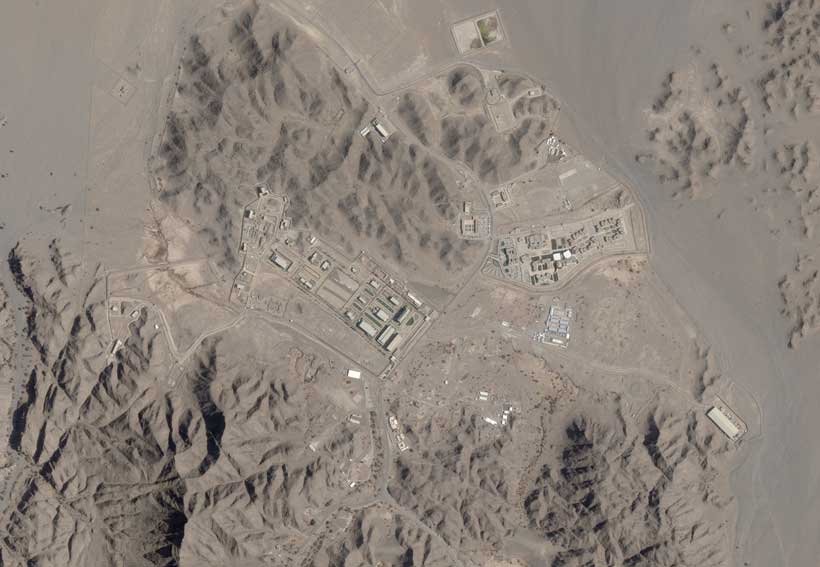
Saudi Arabia is making significant strides in enhancing its ballistic missile production capabilities, focusing on larger solid-fuel missiles that promise extended range and increased payload capacity. Recent analysis from the Foreign Policy Research Institute based on over a year’s worth of satellite images reveals that the al-Duwadimi facility, situated west of Riyadh, is undergoing expansion with new structures dedicated to boosting its missile manufacturing processes. This development is not only aimed at bolstering Saudi defense against potential Iranian threats but also seeks to reduce reliance on foreign military support, particularly in its ongoing conflict with Houthi forces in Yemen.
Expansion of Missile Manufacturing Capabilities
Recent imagery from Planet Labs indicates that the construction at the al-Duwadimi site includes essential features such as casting pits for preparing missile fuel and potentially storage for both fuel ingredients and completed missile components. These enhancements suggest an intention to produce missiles with greater payloads and longer operational ranges—attributes that are particularly desirable for military operations due to their ease of storage and rapid launch capabilities. Analysts believe these advancements are being informed by technologies sourced from China, a nation with which Saudi Arabia has historically collaborated for military systems.
Potential Impact on Regional Security Dynamics
The research points to the likelihood that Saudi Arabia might be engineering a solid-fuel counterpart to the DF-15 missile and may even aim to develop longer-range variants like the DF-21. The Kingdom’s consistent alignment with Chinese military technology comes as a result of export restrictions imposed by the United States. Experts caution that should Saudi Arabia succeed in developing longer-range missiles, it would gain the strategic ability to threaten Iranian assets without exposing its aerial forces to Iranian defenses, thereby shifting the balance of power within the region.
Broader Implications for Gulf States
The missile developments in Saudi Arabia are reflective of a larger trend observed among Gulf states, including the UAE and Turkey, all of which are actively enhancing their military capabilities. This regional arms race raises potential political concerns, particularly in the United States, where opposition may mount against a proposed US-Saudi uranium enrichment agreement, originally intended for civilian nuclear power generation. Skeptics worry that such an agreement could lay the groundwork for nuclear weapons development, further complicating international relations.
Timeline and Future Outlook
Construction activities at the al-Duwadimi facility reportedly commenced in April 2025, with current satellite images showcasing extensive groundwork and building structures aimed at missile production. The expansion is expected to reach completion soon, with experts estimating the facility could be operational by late 2026. Various detailed satellite observations have documented significant features like deep casting pits for solid propellant motors and safety barriers designed to mitigate the risk of accidental explosions during production.
In conclusion, Saudi Arabia’s expansion of its ballistic missile factory raises critical questions about regional military dynamics and governance. With concerns of nuclear proliferation hanging in the balance, the implications of these developments will likely influence not only local security environments but also global diplomatic relations moving forward.