
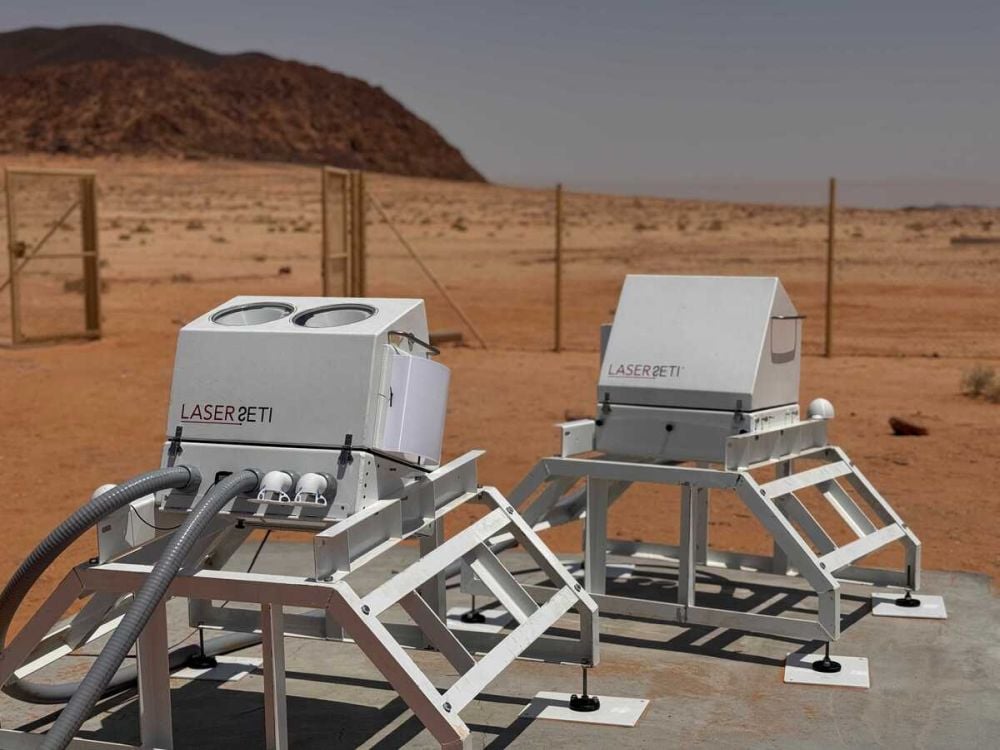
The Kingdom of Saudi Arabia is embracing advancements in technology to explore signals from potential extraterrestrial civilizations through the Search for Extraterrestrial Intelligence (SETI) initiative. This collaboration with the SETI Institute, which operates various observation facilities, seeks to tap into the mysteries of the cosmos using advanced methods such as the Allen Telescope Array and high-tech space telescopes.
Introduction of LaserSETI in Saudi Arabia
One of the most exciting developments is the introduction of the LaserSETI network, a series of optical detectors that have been under development since 2024. Situated in AlUla, located in the northwestern part of Saudi Arabia, this facility is not only the fifth site for LaserSETI globally but also the first in Asia. Other sites are located in California, Hawaii, Puerto Rico, and Arizona. This strategic placement enhances the program’s ability to monitor the sky continuously, thereby capturing fleeting astronomical events that traditional observatories might miss due to their slower tracking methodologies.
Capabilities of LaserSETI
LaserSETI enhances SETI efforts by allowing for continuous sky observation, which is crucial in identifying rare events. It primarily detects brief flashes of light from cosmic occurrences, but the ultimate goal remains the detection of laser signals from extraterrestrial intelligence. The broader coverage provided by the addition of AlUla significantly boosts the chances of identifying such signals, underscoring the importance of Saudi Arabia’s role in this ambitious enterprise. According to Dr. Franck Marchis of SETI, “AlUla gives LaserSETI an important new geographic vantage point.”
AlUla as an Astronomical Hub
The LaserSETI devices are strategically placed at AlUla Manara, which is being transformed into Saudi Arabia’s inaugural major astronomical observatory. AlUla holds a significant place in history as the kingdom’s first UNESCO World Heritage Site, showcasing a rich legacy from the Neolithic to Roman and Ottoman periods. Moreover, AlUla is designated as a Dark Sky Park, capable of hosting advanced telescopes as part of its future scientific endeavors, including a 4-meter telescope and two 2-meter telescopes.
A New Era for Saudi Arabia in Science
The LaserSETI project exemplifies Saudi Arabia’s commitment to reshaping its image as a progressive nation in scientific realms. By leveraging its technological resources, the kingdom aims to engage more deeply in global scientific collaboration. The establishment of institutions like the King Abdullah University of Science and Technology (KAUST) in 2009 marks a significant shift, moving from a predominantly oil-based economy to a more diversified focus that includes science and technology.
In summary, the partnership between Saudi Arabia and the SETI initiative signifies a pivotal moment in the country’s scientific advancement. As LaserSETI becomes operational, it not only puts Saudi Arabia on the astronomical map but also promises to play a crucial role in uncovering the universe’s secrets, potentially transforming the cultural narrative around science in the kingdom.