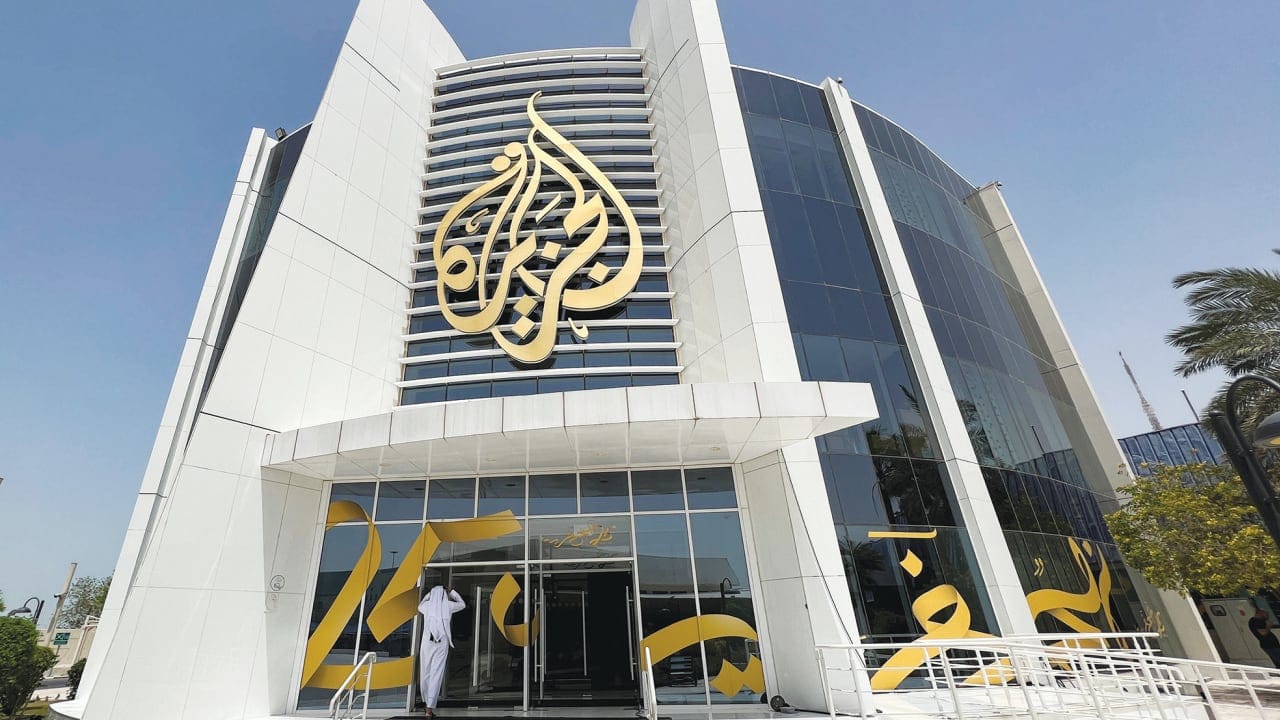
I’m not an expert in antisemitism, but I have spent many years in the Qatari media landscape, including extensive work with Al Jazeera (AJ). This channel, recognized globally for its reach, has recently amassed immense viewing figures, particularly concerning its coverage of the U.S.-Israel conflict with Iran, reaching over 8.5 billion views across all platforms.
### Understanding Qatari Media Dynamics
When discussing “Qatari media,” many people jump to thinking of AJ exclusively, when in fact, it belongs to a broader Al Jazeera Group. This entity encompasses various aspects: AJ Arabic, AJ English, and even training institutes that have educated over 75,000 media professionals worldwide. Social platforms like AJ+ further bolster this reach, broadcasting content in multiple languages and engaging hundreds of millions of users. Additionally, Faadat Media, comprising various channels and print outlets, illustrates how Qatari media seeks to influence modern discourse, especially among youth.
### The Role of Qatar in Influencing Discourse
All these media platforms intertwine closely with Qatar’s political objectives. There’s a pronounced alignment with Islamist narratives, promoting views aligned with the Muslim Brotherhood and supporting criticisms against Israel. Coverage often consists of campaigns aimed at delegitimizing Israel, associating it with historical and contemporary narratives of oppression, particularly against Palestinians. This coordinated effort among various media outlets ensures a unified message while discouraging dissenting opinions.
### The Emergence of Global Antisemitism
Following significant events, such as the October 7 tragedy, a surge of antisemitism has been observed globally. This new wave often mirrors traditional antisemitic discourse but reframes criticisms of Israel as issues pertaining to “Zionists” instead. Accusations resemble historical blood libels, targeting Israeli defenders with claims of intentionally harming civilians. Such rhetoric has found immense traction, particularly among segments of university students around the world, where emotionally charged slogans echo through protests.
### The Spillover into Western Media
As Qatari media propagated incendiary narratives, many Western institutions mirrored these sentiments, often without verification. From 2016 to 2024, Qatar invested heavily in lobbying efforts in the U.S., significantly outspending Israel in influencing public opinion. Moreover, generous funding in U.S. universities—totaling over $6 billion—aimed to shape academic discourse and institutional frameworks, often fostering a critical view of Israel while neglecting broader humanitarian crises present in regions like Sudan.
The interconnectedness of Qatar’s media strategies and financial investments has transitioned the debate about Israel’s existence from a largely regional concern to a prominent topic in global discussions. Today, many people interrogate Israel’s legitimacy without addressing the existence of 192 other nations. The treatment of Israel as a pariah state reveals a double standard that echoes historical antisemitism.
### Conclusion
The recent upsurge in antisemitism is not merely coincidental but reflects a complex tapestry woven by radical ideologies and targeted media campaigns. The stakes are high, as these narratives have dire consequences, including acts of violence and discrimination against Jewish communities worldwide. Moving forward, it is crucial to scrutinize the narratives propagated by Qatari media and recognize their role in this resurgence of hatred, working collectively to combat these harmful ideologies.