
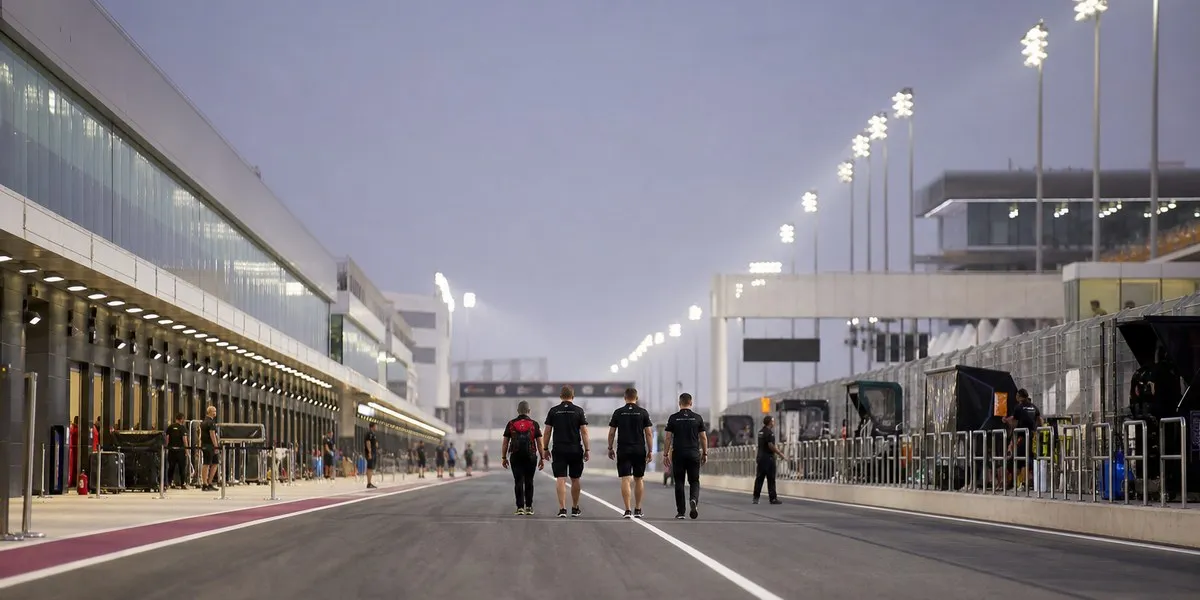
MotoGP is proceeding with the Qatar Grand Prix despite ongoing geopolitical tensions in the region and safety concerns expressed by some riders. Originally set for April, the race at Lusail International Circuit has been rescheduled to November 6–8, now the 20th event of the season, after being postponed due to conflicts in the area. According to reports from TimesLIVE, the focus remains on ensuring the safety and welfare of all participants as preparations move forward.
Rider Concerns About Safety
Gresini Racing’s Alex Marquez has voiced skepticism about the ability to guarantee safety amid the volatile situation in the Middle East. He highlighted that conditions are evolving rapidly, often becoming less stable. Marquez pointed out that while the MotoGP championship assures participants that they are monitoring the situation, the complexities are such that things could change drastically from one day to the next. He emphasized the need for organizers to reassess the situation shortly before the event to ensure that the well-being of those traveling to Qatar is prioritized.
Championship Leader Weighs In
Jorge Martin, the current leader in the MotoGP standings riding for Aprilia, has expressed a desire to compete in Qatar and demonstrated trust in the decisions made by championship management. At the Phillip Island round, Martin was just two points ahead of reigning champion Marc Marquez from Ducati, demonstrating the competitive nature of the season. He indicated that if the organizers go ahead with the race, it would mean that appropriate safety precautions are assured for all involved.
Several sporting events in the region, including various tournaments and championships, were recently canceled due to the escalating conflicts, highlighting the precarious situation. The Qatar Grand Prix has been part of the MotoGP calendar since its introduction in 2004, save for the 2020 cancellation due to the COVID-19 pandemic, making this race a critical point in the seasonal line-up.
Future Implications for MotoGP
The decision to host the Qatar Grand Prix could have lasting effects not just for this season but for the future of MotoGP in the region. If successful, it might pave the way for increased stability and confidence in organizing future events, further solidifying Qatar’s position in the world of motorsport. Conversely, any issues arising from the event could lead to reconsideration of safety protocols and the venue’s suitability for international competition.
MotoGP is navigating a complex landscape as it balances the excitement of competition with the undeniable realities of global events. The sentiments shared by riders reflect broader concerns that extend beyond the racetrack, tapping into public safety and the implications of international relations on sports. The upcoming decision will not only determine the immediate outcome for the race but could also shape the future of MotoGP’s calendar and locations.
As the countdown to the Qatar Grand Prix continues, fans and participants alike will be watching closely, aware that the true thrill of motorsport goes hand in hand with the responsibility to ensure safety and security for everyone involved.