
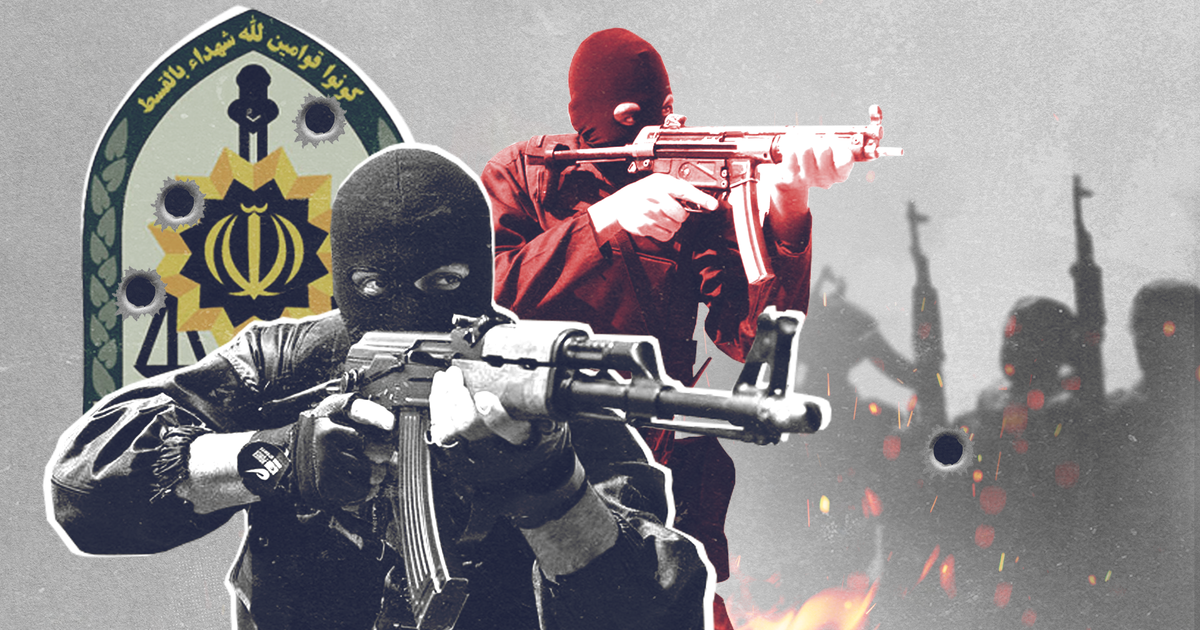
The situation in Iran’s southeastern region continues to evolve, with armed Baluch groups intensifying their activities. These developments pose a significant challenge for the Islamic Republic’s security forces, particularly during a time when their resources are increasingly stretched due to ongoing conflicts. As of October 10, there have been a staggering 18 attacks in just 18 days, surpassing the total number of incidents recorded in any full month earlier this year.
Rising Threat from Armed Groups
The increase in hostility from Baluch factions highlights the growing unrest in this part of Iran. These groups continue to escalate their actions, utilizing a range of tactics that threaten both security personnel and civilian populations. The recent surge in assaults indicates a coordinated effort to undermine the authority of the Iranian government, testing its ability to maintain peace and order. The frequency of these attacks serves as a stark reminder of the volatile situation on the ground, necessitating an urgent response from state security.
Impact on Iranian Security Forces
The implications of this unrest extend beyond immediate security concerns. The Iranian security forces are already stretched thin due to ongoing pressures both internally and externally. With mounting casualties and operational demands, these armed assaults exacerbate the challenges faced by law enforcement. As attention shifts to addressing these attacks, other areas of national security could be neglected, leaving the country vulnerable to further unrest. Security analysts are closely monitoring the situation, aware that a drawn-out engagement with these groups could lead to significant resource depletion for the Iranian military.
Broader Political Ramifications
This uptick in violence is not only a tactical challenge; it has broader political implications as well. The government’s inability to curb these insurgent activities could lead to a loss of faith among the populace, further destabilizing the region. This erosion of trust could manifest in increased civil disobedience and protests, complicating an already tumultuous political landscape. Policymakers are now faced with the difficult task of balancing immediate security needs against long-term strategies aimed at fostering stability.
International Attention and Response
The actions of armed Baluch groups have also attracted international scrutiny, drawing attention to the complex dynamics within Iran’s borders. International observers are keenly aware of how these developments could influence regional stability, prompting discussions on humanitarian implications and potential foreign interventions. The international community may feel compelled to respond if the situation deteriorates further, shifting the geopolitical balance in the region. Maintaining a watchful eye on the developments will be critical as countries weigh their diplomatic and strategic options.
In conclusion, the escalation of attacks by armed Baluch groups in southeastern Iran represents a growing concern for the Islamic Republic. With 18 incidents reported in a mere 18 days, the implications for national security, political stability, and international relations are profound. As the Iranian state grapples with these challenges, the need for effective responses and strategies is more crucial than ever. The situation calls for immediate attention and well-thought-out actions to restore security and public trust.