
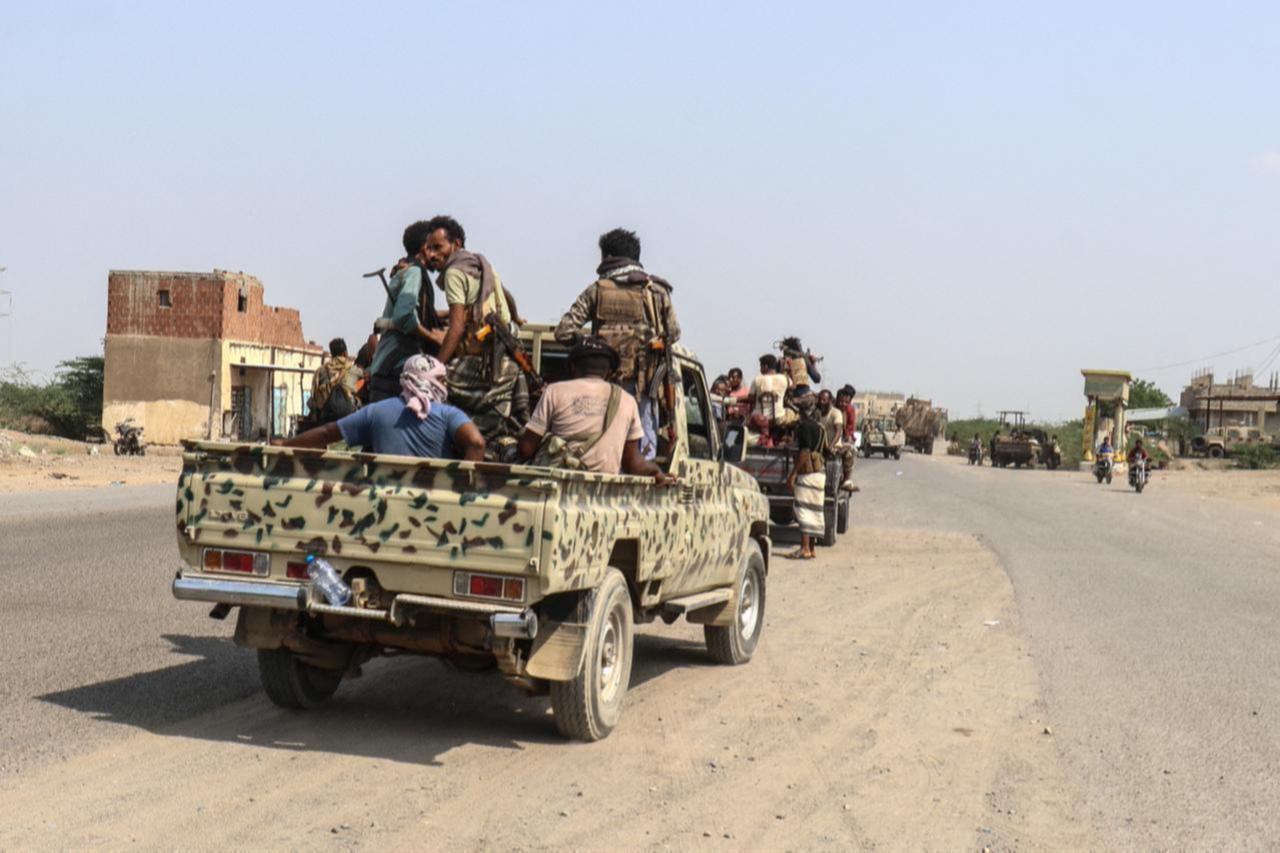
Yemen is witnessing a dangerous escalation as the Houthis claim to have launched an attack on Aden, the temporary seat of the Saudi-backed government. This incident follows accusations against Saudi Arabia for airstrikes that allegedly killed 16 individuals in the capital, Sanaa, and the Red Sea port city of Hodeida. The conflict, which has seen renewed intensity, reflects the broader confrontations involving Iran and its proxies in the region, particularly since tensions escalated following U.S.-Israeli military actions against Iran earlier this year.
Houthi Attack on Aden
On Saturday, the Houthis declared their responsibility for targeting Aden, which has been pivotal for the Saudi-supported Yemeni government since the group took control of Sanaa in 2014. According to military spokesperson Yahya Saree, the strikes focused on “Saudi enemy concentrations” at the Al-Nasr camp and a naval base in the city. However, the Yemeni government provided a different narrative, claiming that the assault struck the coast guards’ headquarters and another facility, excluding the nearby airport base from their report.
In parallel, the Saudi-led coalition intercepted two missiles directed at the western cities of Taif and Yanbu. Witnesses reported hearing explosions within Aden shortly after the missile interception. This development signals a renewed urgency in Saudi Arabia’s security measures, as residents were earlier warned to seek immediate shelter due to the potential danger.
Reported Strikes in Sanaa and Hodeida
The Houthi-run media outlet, Al-Masirah, highlighted a series of airstrikes attributed to the Saudi coalition, detailing retaliatory strikes that reportedly resulted in civilian casualties. One such strike targeted a residential building, leading to the deaths of four individuals, including several women and children. Despite the claims emerging from Houthi sources, these incidents have not been independently verified, further complicating the narrative surrounding civilian safety in Yemen.
Additionally, a report indicated that an airstrike in Hodeida resulted in the deaths of five people from the same family. The urgency surrounding these incidents underscores the volatile nature of the conflict, reflecting not only military confrontations but also the humanitarian ramifications exacerbated by ongoing strikes.
Heightened Tensions in Western Saudi Arabia
In response to the rising threats, Saudi Arabia’s civil defense agency issued warnings of potential danger in multiple western regions, including Taif, Yanbu, and Mecca, highlighting the pervasive fear within the kingdom. These alerts were quickly rescinded, but they indicate the escalating security concerns following the Houthis’ repeated missile attacks targeting critical infrastructure, including oil facilities and airports.
The ongoing conflict has severely impacted oil production and regional security. Yanbu, crucial for oil exports, has been a target of scrutiny due to its strategic importance. Earlier this month, an attack on Riyadh airport resulted in numerous casualties, further destabilizing the region amidst a backdrop of renewed fighting.
International Reactions and Implications
The civil war in Yemen has been on the verge of a renewed escalation since the ceasefire ended in July. This upsurge in violence has prompted international responses, with Egypt considering troop deployments to assist in defending Saudi Arabia. Additionally, both Britain and France have offered assistance to safeguard the kingdom from the expanding threat posed by the Houthis.
Given the rise in regional tensions, the United States has urged non-essential personnel at its embassy in Saudi Arabia to relocate, citing security concerns associated with the Houthi threat. Travel advisories have been updated to reflect the heightened risk of armed attacks, indicating that the situation remains precarious and could further destabilize global commodity markets, particularly oil.
The ongoing conflict’s ramifications are not limited to Yemen; they reverberate across the Middle East, leading to fears of an extended regional instability that can have global consequences.